NASA's New Lunar Initiative
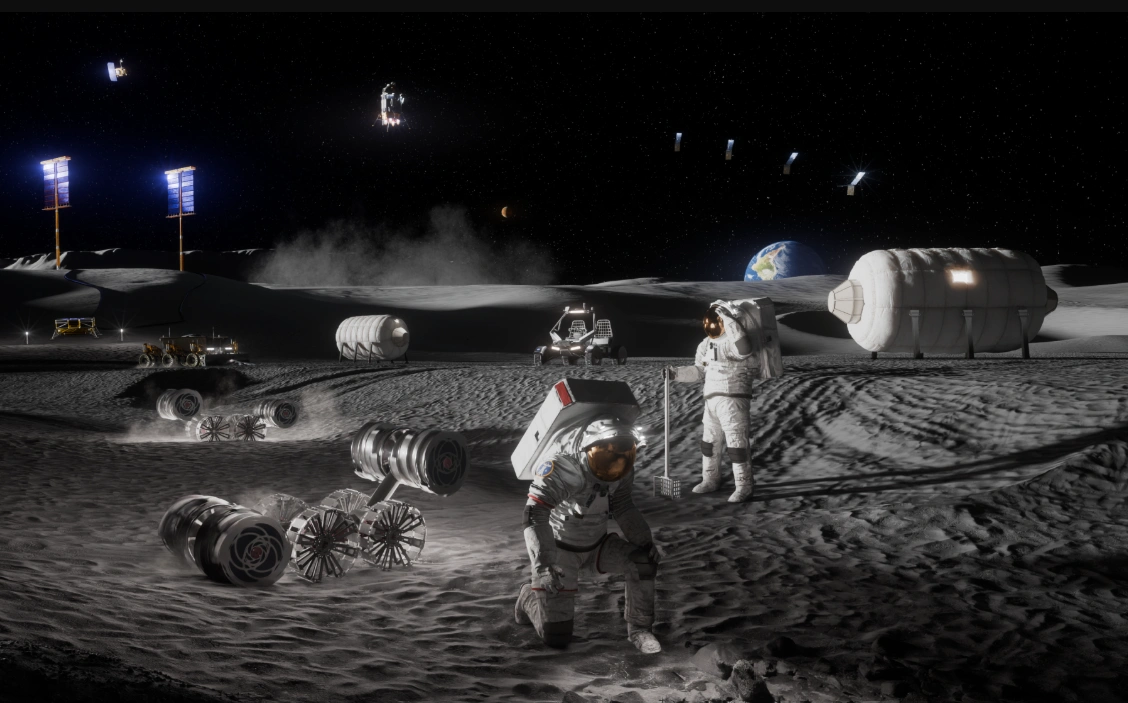
NASA has taken a new scientific step to deepen its exploration of Earth's only natural satellite. In an official announcement, the agency introduced three new scientific payloads selected to travel to the lunar surface. This initiative aims to uncover key aspects of the lunar environment.
These instruments will build the foundation for future crewed and robotic lunar missions, offering direct observations of surface conditions and surrounding environmental factors.
Lunar Environmental Hazards and Resources
The primary focus of the new payloads is to detail the harsh conditions on the Moon, including environmental risks like radiation and lunar dust. Accurate analysis of these hazards is vital for ensuring the safety of future astronauts and surface equipment.
Additionally, the instruments will analyze the distribution and composition of natural resources on the Moon. Assessing resource availability is a crucial step toward establishing a sustainable human presence on the lunar surface.
Scientific Significance and Future Roadmap
Investigating the Moon's environmental hazards and resource potential holds strategic importance for planetary science and space exploration. The data gathered by these three payloads will help scientists better understand the Moon's surface processes.
Targeted for delivery in upcoming missions, these scientific payloads will reinforce the scientific foundation required for long-term lunar exploration and eventual base concepts.




Comments
Loading comments...