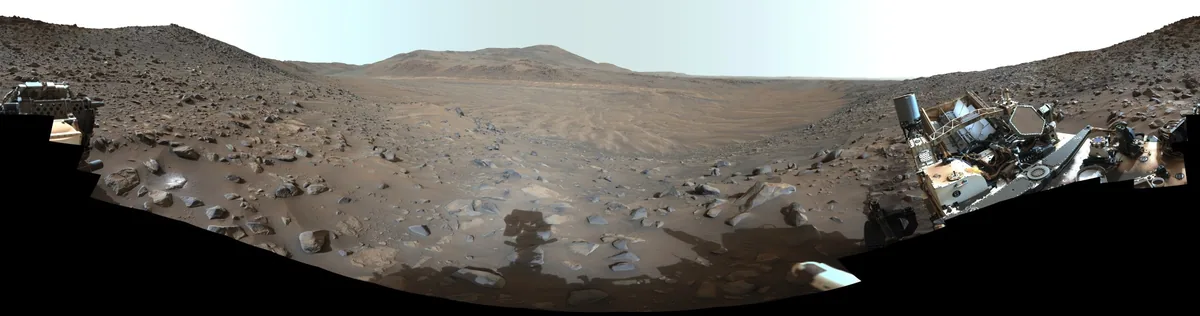
A 1,645-Sol Study on the Martian Surface
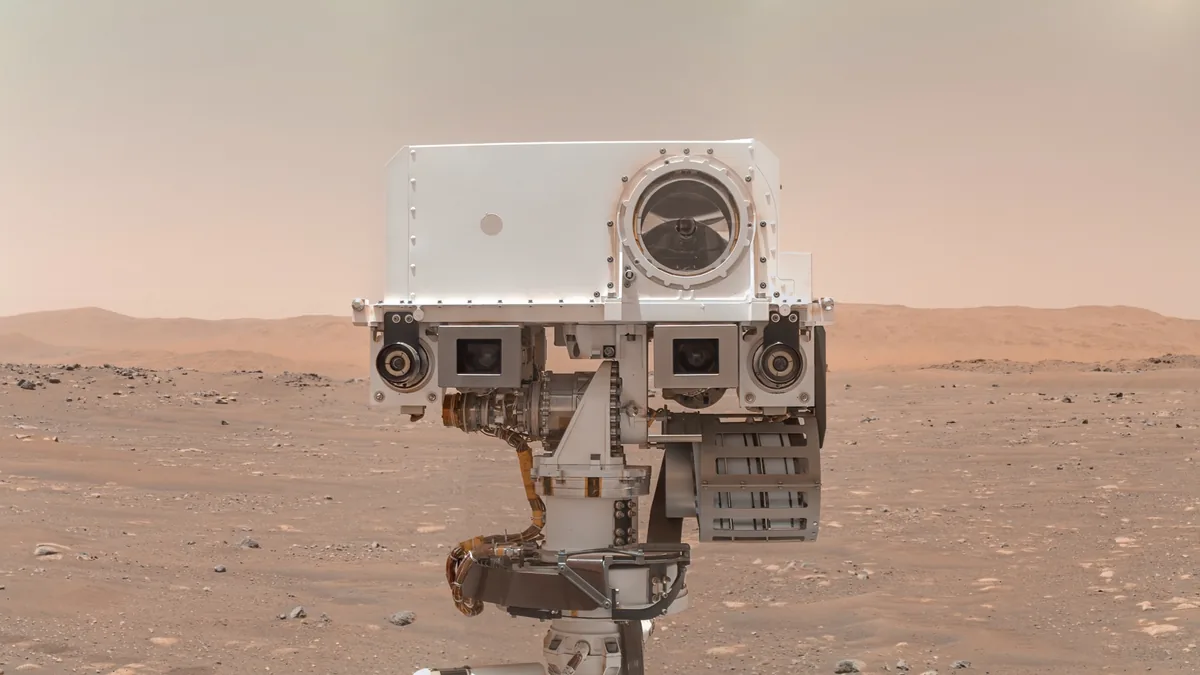
NASA's Perseverance rover has generated critical findings regarding environmental hazards on the Red Planet after tracking spacesuit material samples exposed on its chassis for more than 1,645 Martian days. The comprehensive results, scheduled for publication in the Proceedings of the National Academy of Sciences, offer unprecedented direct evidence about how regolith interacts with prospective spacesuit fabrics.
Microscopic Dust and Biological Penetration
Measurements revealed that the fine and ultrafine dust particles clinging to the test materials pose serious physiological threats. The detected particulates are small enough to bypass primary respiratory barriers, penetrate deep into lung tissues, and potentially enter the human bloodstream. This nanoscale physical property indicates that Martian dust is significantly more invasive than coarse planetary soils.
Implications for Future Human Exploration
Understanding particle adhesion mechanisms is crucial for designing spacesuits, dust-mitigation systems, and airlock filtration for crewed missions. These findings require mission architects to develop advanced materials that repel ultra-fine particles, ensuring that astronauts exploring Mars can return to their habitats without introducing toxic airborne particulates into their living quarters.


Comments
Loading comments...