
A New Classification of Planetary Systems
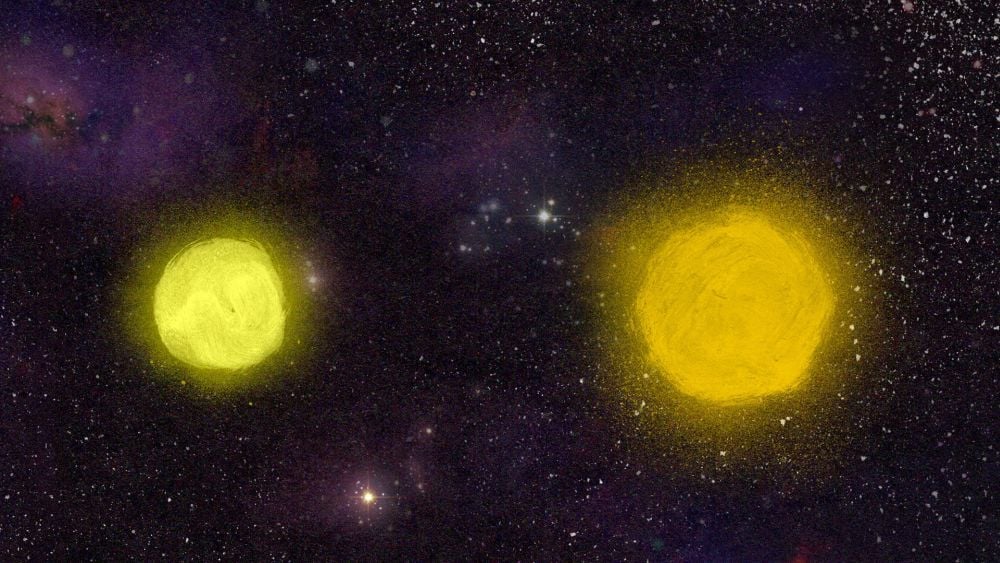
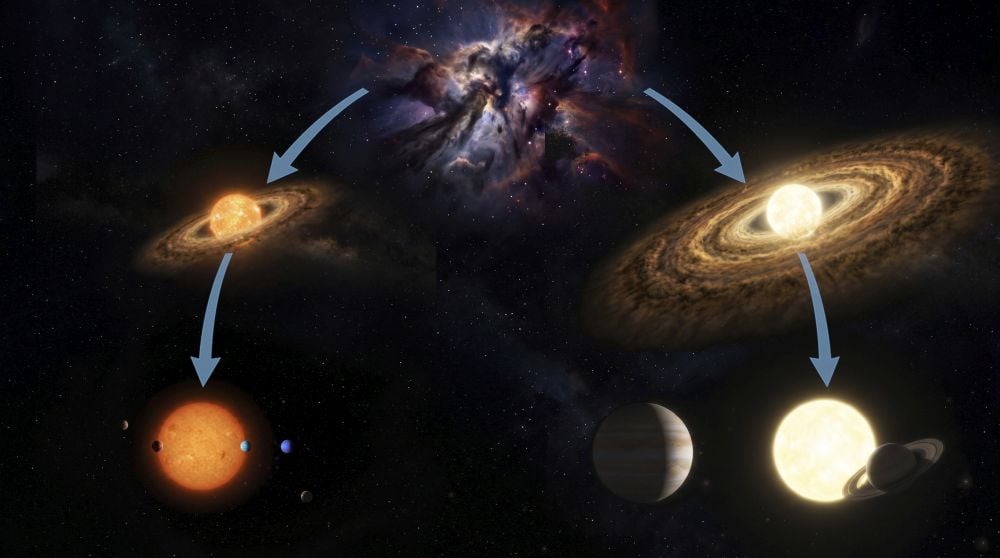
A comprehensive study conducted on well-characterized exoplanetary systems across the Milky Way has revealed a groundbreaking reality regarding planetary architecture. An international team of researchers led by the Italian National Institute for Astrophysics (INAF) focused on the most precisely cataloged systems among the thousands known in our galaxy. Their analysis demonstrated that multiplanet systems are not distributed randomly, but instead belong to two distinct structural families directly tied to the characteristics of their host stars.
Detailed Analysis of 300 Systems
The research team systematically analyzed a refined sample of 300 of the best-characterized planetary systems selected from more than 1,000 known candidate systems in the Milky Way. The study evaluated planetary masses, orbital distances, and the physical parameters of their central stars in parallel. These precise measurements mathematically confirmed that the central host star plays a decisive role in shaping the evolution and final architecture of planetary systems, causing them to cluster into two distinct categories.
Implications for Planetary Formation Models
This discovery represents a critical turning point for theoretical models explaining how planetary systems form and evolve. The strong bond between these planetary families and their host stars simplifies our understanding of planetary diversity throughout the galaxy while offering fresh insights into orbital stability. Scientists plan to utilize future observation missions and advanced telescope facilities to further investigate the physical mechanisms within planet-forming disks that give rise to these two distinct system families.
Comments
Loading comments...