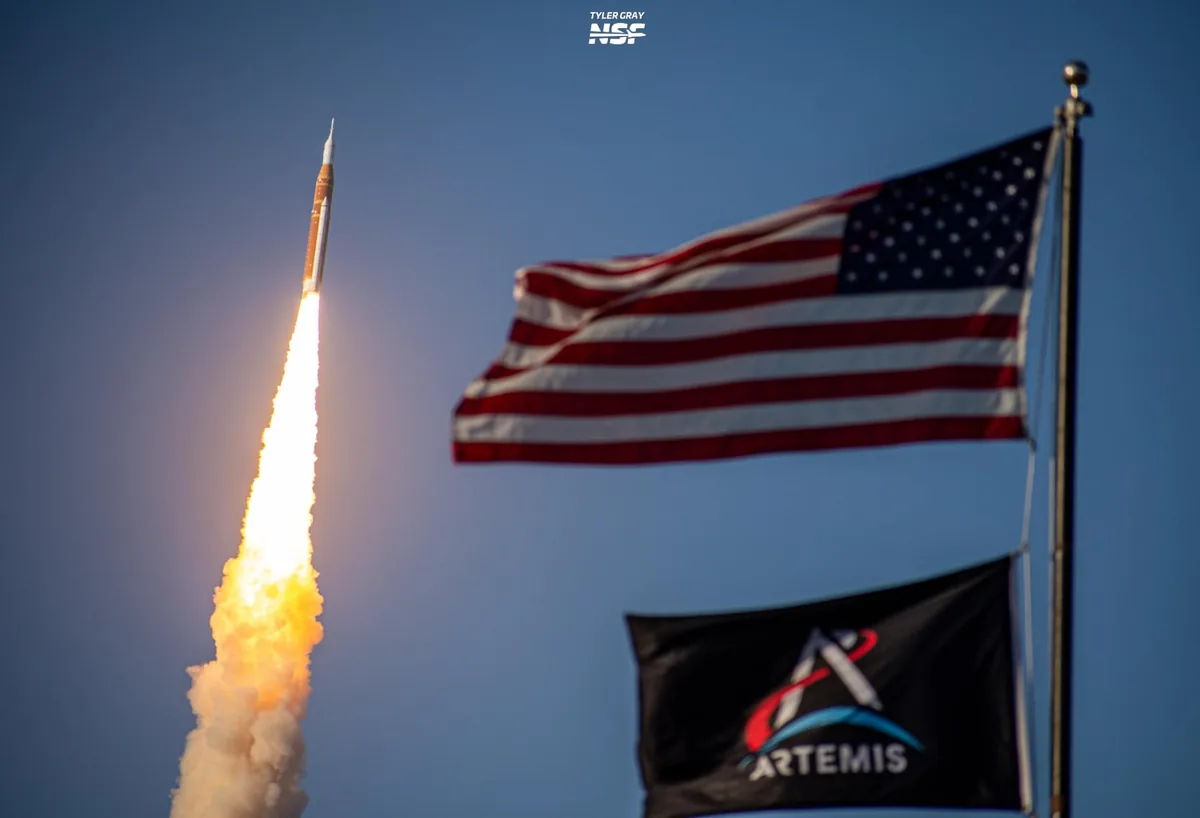
A New Architectural Direction for SLS
NASA Administrator Jared Isaacman has further detailed the programmatic decision to standardize the Space Launch System (SLS), outlining the heavy-lift vehicle's operational trajectory into the 2030s. The strategic framework aims to establish a consistent technological baseline for the flagship rocket, reinforcing its central role in deep space exploration. By transitioning from variable configurations to an established operational standard, the agency seeks to foster long-term program stability and enhance logistical efficiency across multi-year planning horizons.
Operational Cadence and Manufacturing Refinement
Standardizing the SLS architecture offers significant advantages in streamline manufacturing supply chains and assembly operations. Eliminating major structural variations between successive build cycles allows engineering teams to optimize industrial fabrication lines, shorten preparation timelines, and secure higher launch cadences. Relying on flight-proven common systems reduces technical uncertainty, ensures consistent flight safety margins, and generates predictable cost models essential for sustained deep space transit operations.
Sustaining Deep Space Ambitions into the 2030s
Securing the future of the SLS through comprehensive standardization serves as an essential foundation for sustained lunar operations and future human voyages into the solar system. A predictable heavy-lift capability ensures that both extensive scientific hardware and human habitats can be systematically deployed to deep space targets. This long-range strategy reinforces the infrastructural backbone required for humanity's continued push toward sustained interplanetary exploration over the coming decade.

Comments
Loading comments...