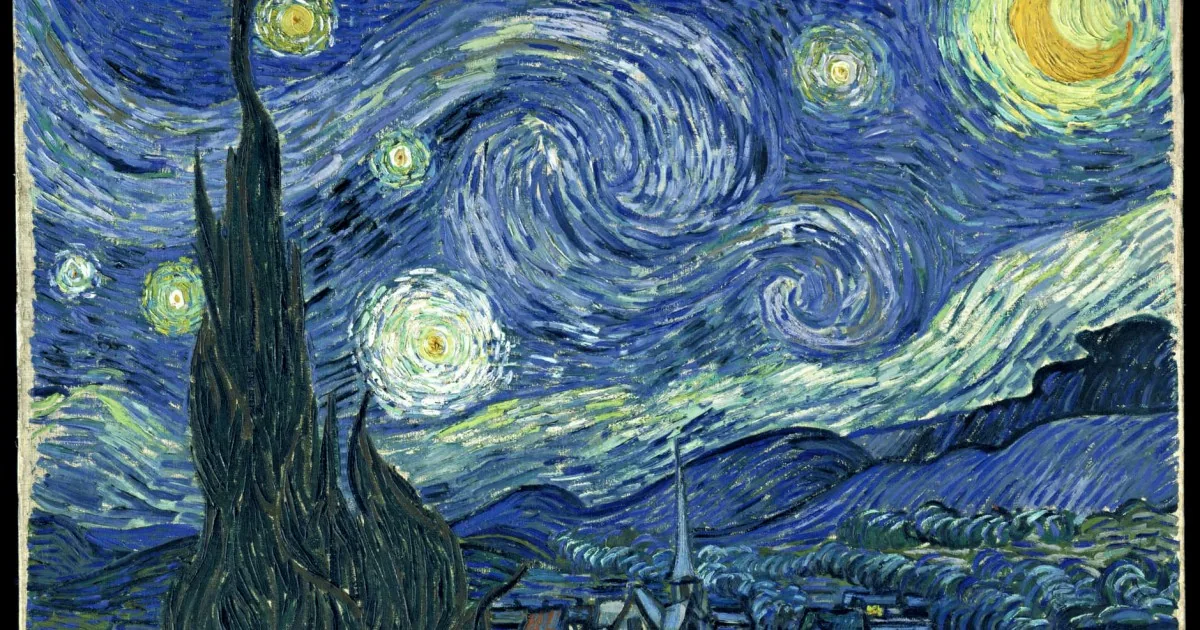
A Decades-Long Debate Between Art and Astronomy
For decades, art historians and astronomers have debated whether Vincent van Gogh’s iconic 1889 masterpiece, The Starry Night, depicted actual celestial bodies or imaginary constructs. A new study published on October 22 in Scientific Reports argues that the stars shown in the canvas are indeed real and correspond to an actual night sky observed by the artist.
Simulating Historical Night Skies
By comparing the swirling composition with astronomical models of the era's sky, researchers found that the celestial patterns align closely with realistic planetary and stellar configurations. Furthermore, the analysis indicates that Van Gogh likely observed this specific night sky about a month later than most traditional art scholars had previously dated.
Bridging Artistic Expression and Science
These findings illustrate that even Van Gogh's most expressionistic masterwork was anchored in meticulous observation of nature. The study provides fresh insights into the intersection of historical astronomy and cultural heritage, offering a more precise timeline for one of humanity's most cherished artworks.

Comments
Loading comments...