Rare Celestial Interactions in the Jovian System
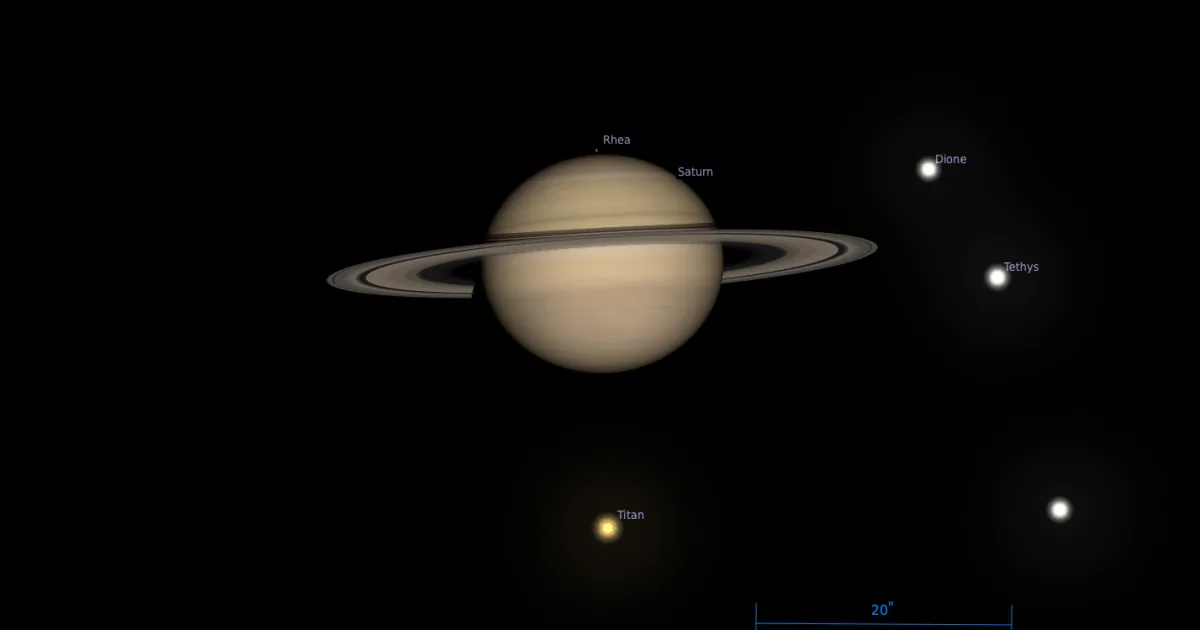
Jupiter routinely occults and eclipses its four large and bright Galilean moons—Io, Europa, Ganymede, and Callisto. However, during specific alignment periods when orbital planes align with Earth's line of sight, a rare chain of celestial events occurs: the moons interact directly with one another.
Observation Opportunities Over the Coming Months
Continuing over the next few months, these mutual events will see the Galilean moons passing in front of one another to cause occultations and casting shadows upon each other in mutual eclipses. Professional astronomers and amateur stargazers alike will be able to follow this dynamic cosmic dance using telescopes and photometric measurements.
The Significance of Orbital Precision and Celestial Mechanics
Such mutual satellite events offer an exceptional opportunity to refine orbital parameters, gravitational interactions, and surface properties of the Galilean satellites. The precise data gathered will contribute significantly to mathematical models explaining Jupiter's complex gravitational field and the dynamic balance among its moons.
Comments
Loading comments...