Night Sky Observing in the Northern Hemisphere
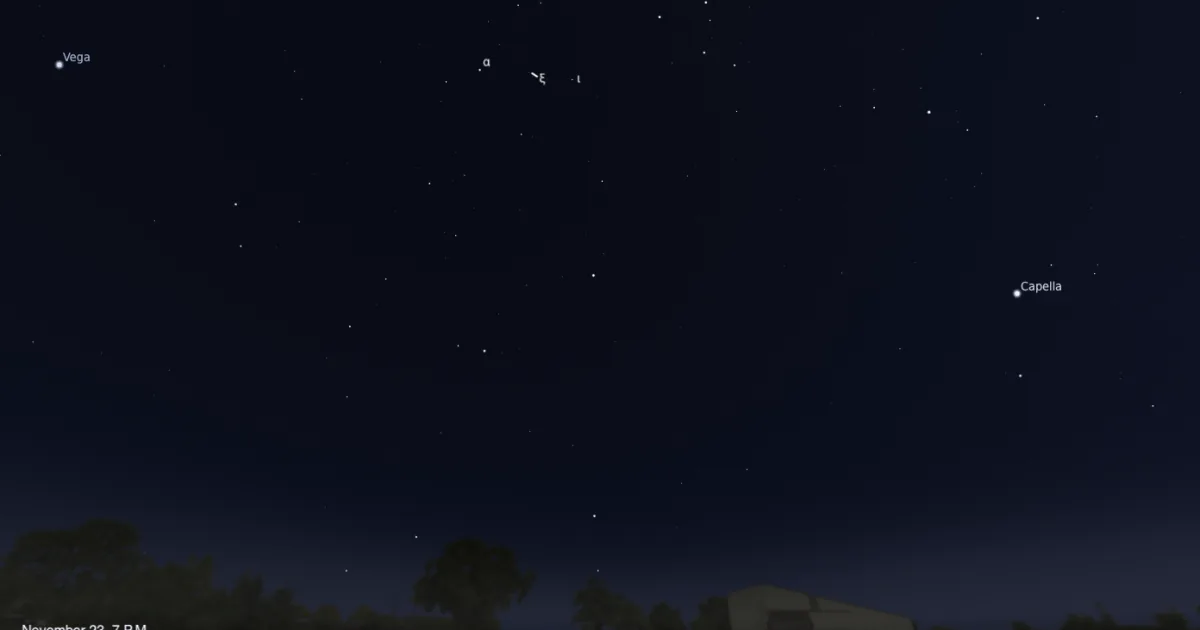
For amateur astronomers and stargazers, the last week of November presents remarkable observing opportunities. Shortly after sunset, the house-shaped constellation Cepheus stands prominently in the northern sky, positioned right above the Little Dipper. This positioning makes locating the objects within the constellation relatively simple for observers.
Observational Details and Double Star Kurhah
The constellation Cepheus is home to several captivating double star systems. Among the most notable is Xi (ξ) Cephei, also known as Kurhah. Under clear sky conditions, stargazers can examine this double star system alongside other surrounding celestial targets in the region.
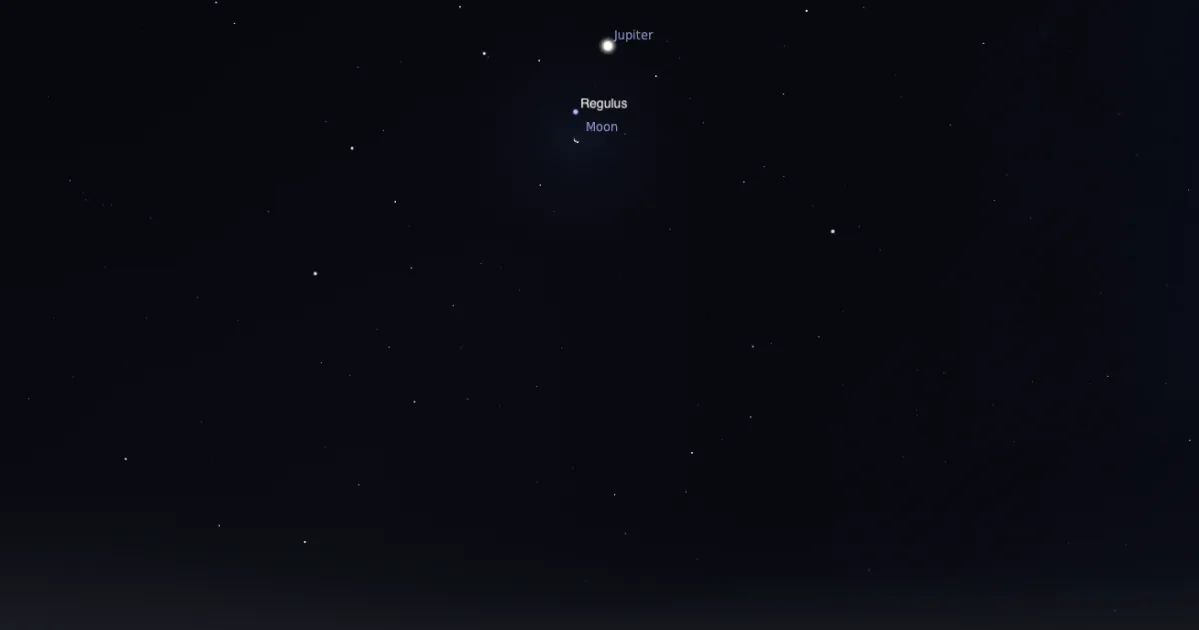
Additionally, the weekly celestial calendar highlights distinct lunar features. The flat-floored lunar crater Schickard stands out as a prime target for observers turning their telescopes toward the Moon during this observing window.
Importance for Amateur Astronomy
Tracking constellations and double star systems is crucial for sky orientation and understanding stellar system dynamics in amateur astronomy. Observing double stars like Xi Cephei provides practical experience for identifying celestial landmarks in the northern night sky.
These northern sky patterns emerging in autumn evenings serve as an ideal stepping stone for planning more advanced deep-sky observation sessions in the coming weeks.
Comments
Loading comments...