The Astronomical Background of a Masterpiece
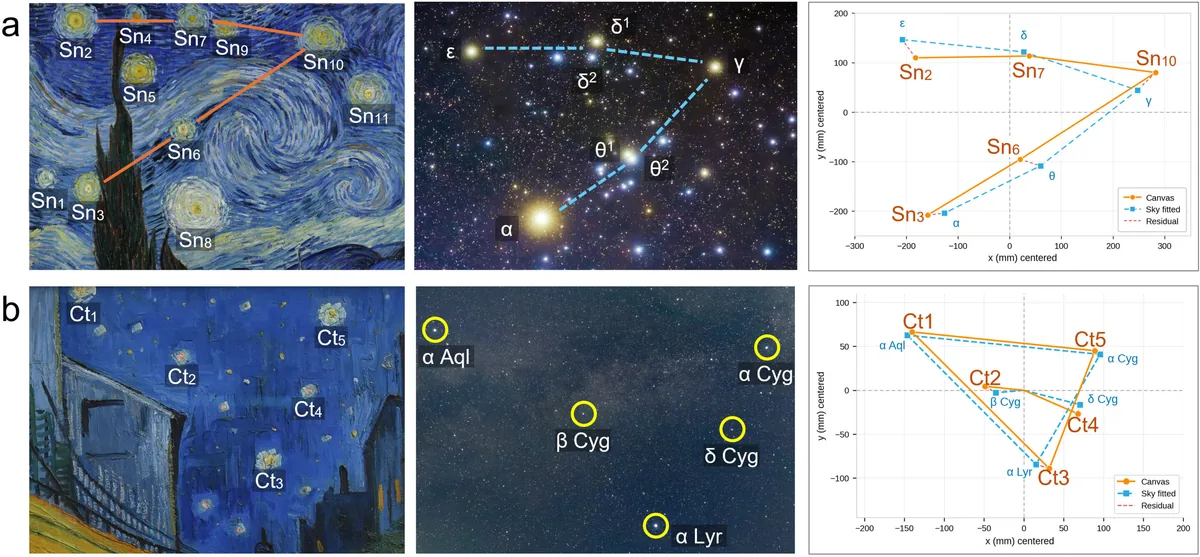
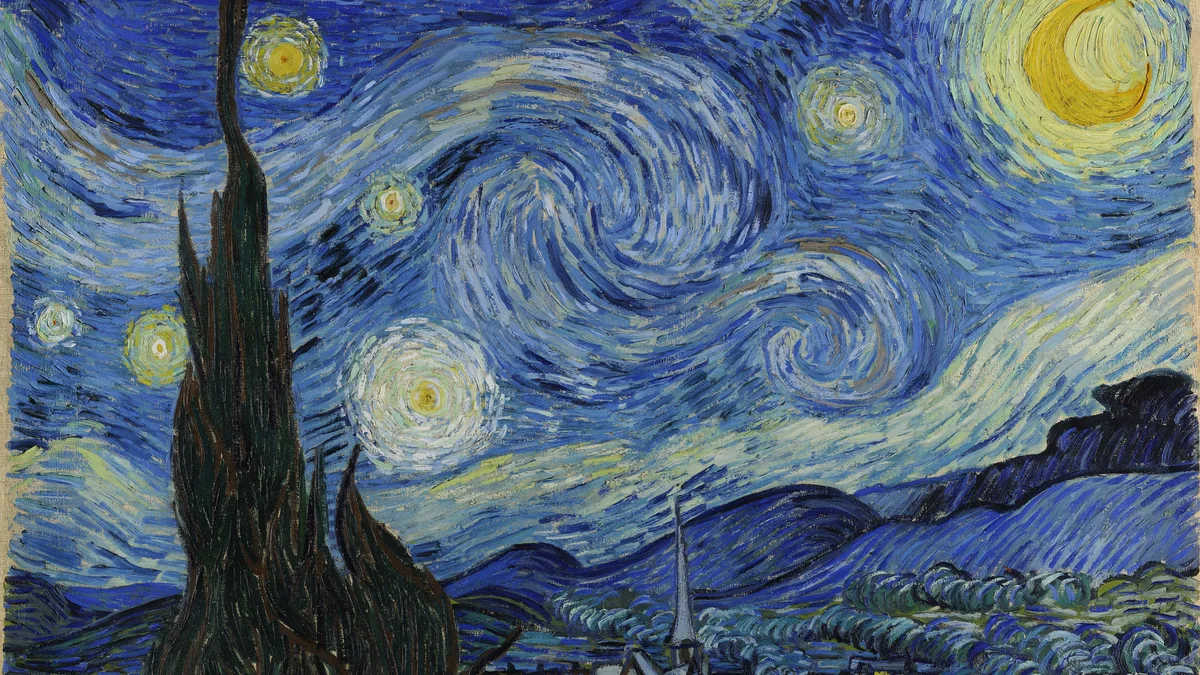
Vincent van Gogh's iconic 1889 masterpiece 'Starry Night' has long been analyzed for its expressive artistic brushwork. However, a new scientific study published in Scientific Reports reveals that the night sky depicted in the painting is rooted in precise astronomical observation. Conducted jointly by SLLAB, a South Korean space-science company, and the School of Space Research at Kyung Hee University, the study re-examined the celestial conditions of Saint-Rémy using advanced astronomical reconstruction tools.
Observation Details and Celestial Alignment
The team's calculations and historical sky simulations revealed that the painted night sky matches both the observation and physical layout of the predawn sky over Saint-Rémy around July 22, 1889. During the early morning hours of this timeframe, a waning crescent Moon, a remarkably bright Venus, and the Hyades star cluster in the constellation Taurus appeared in close proximity to one another. The researchers confirmed that the positions and visual shapes rendered by van Gogh directly align with real orbital geometry.
Intersection of Art and Science
This discovery highlights van Gogh's exceptional observational precision and his inclination to incorporate real astronomical phenomena into his artwork. Beyond its subjective beauty, 'Starry Night' is now scientifically verified as a historical record of a specific celestial event. The research team plans to apply similar astronomical reconstruction techniques to van Gogh's other night-sky paintings to further illuminate the intersection of art history and observational astronomy.
Comments
Loading comments...