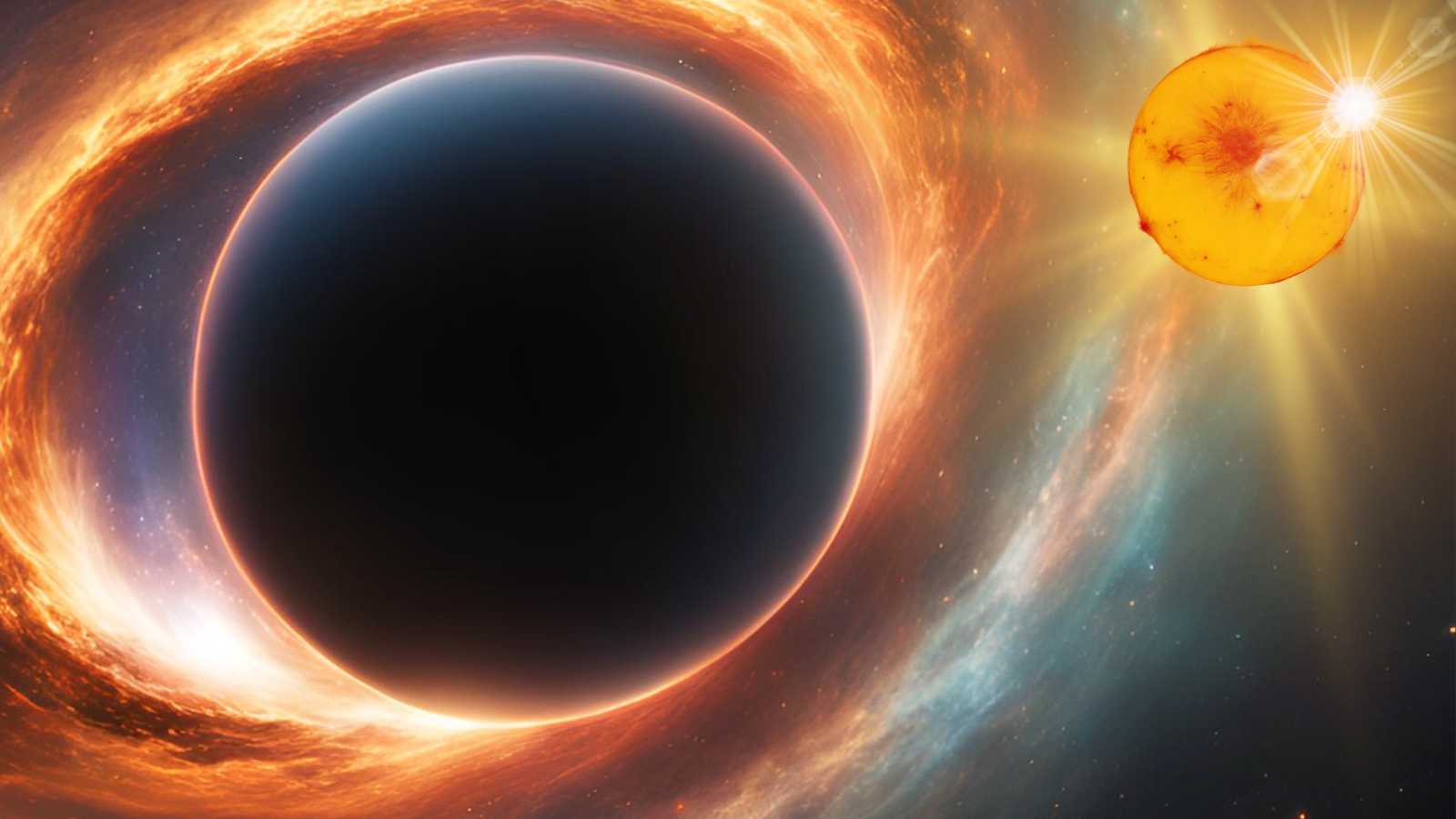
Mobilizing the Public for a Galactic Search
Astronomers have initiated an ambitious citizen science project designed to uncover hidden stellar-mass black holes lurking within the Milky Way. By opening vast archives of NASA telescope observations to public inspection, the research team aims to bridge the gap between theoretical astrophysics and observational reality. Cosmological models suggest our galaxy should host upwards of one hundred million black holes formed from collapsed massive stars, yet only a tiny fraction have ever been definitively documented. Scientists are now turning to global volunteers to accelerate the painstaking task of sifting through cosmic catalogs.
Searching for Gravitational Signatures in NASA Data
Participants in the project examine photometric data and light curves gathered by NASA space observatories, scanning for subtle anomalies that betray a black hole's presence. Because isolated black holes emit no detectable electromagnetic radiation of their own, they reveal themselves primarily through gravitational interactions, such as microlensing events that briefly amplify the light of background stars. Human pattern recognition remains remarkably adept at catching irregular, low-signal variations that automated computer algorithms often dismiss as noise, making visual inspection by volunteers invaluable.
Refining Models of Galactic Structure and Evolution
Uncovering the Milky Way's missing black hole population will have profound implications for stellar evolution theories and our understanding of galactic dynamics. Determining the spatial distribution and velocity profiles of these compact remnants provides essential clues about the supernova mechanisms that birthed them billions of years ago. The prime candidates flagged by citizen scientists will serve as benchmark targets for follow-up observations using advanced ground-based spectrographs and space telescopes, charting uncharted territory in galactic astronomy.


Comments
Loading comments...