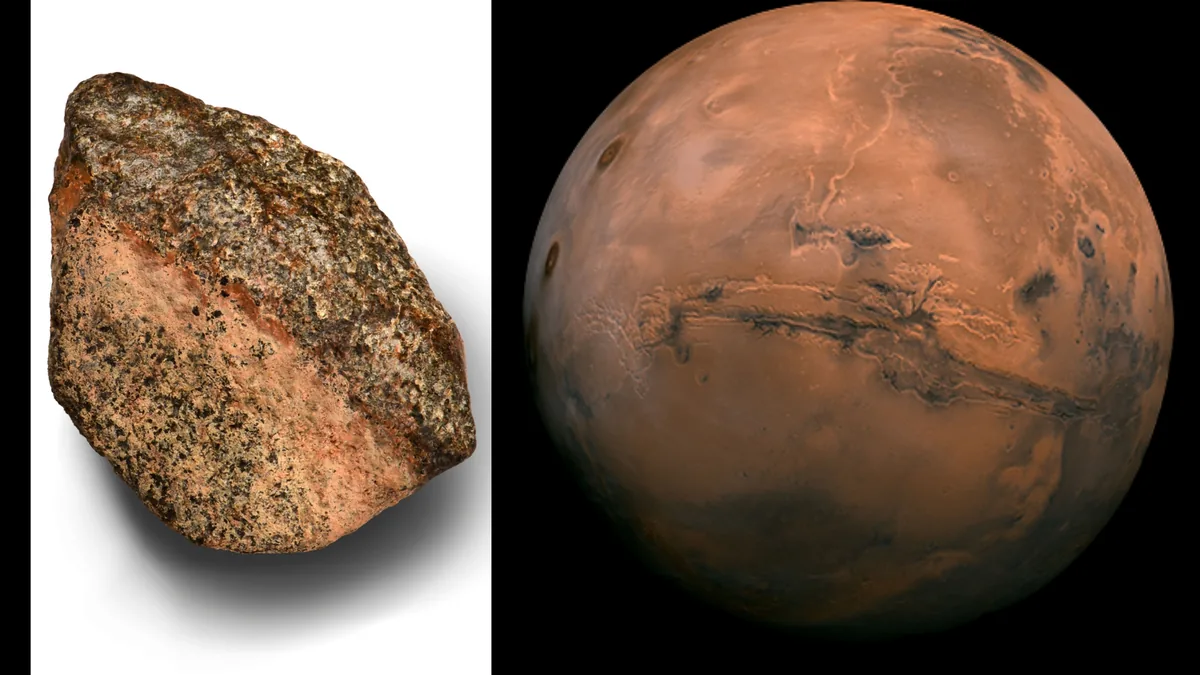
A Landmark Discovery in the Sahara Desert
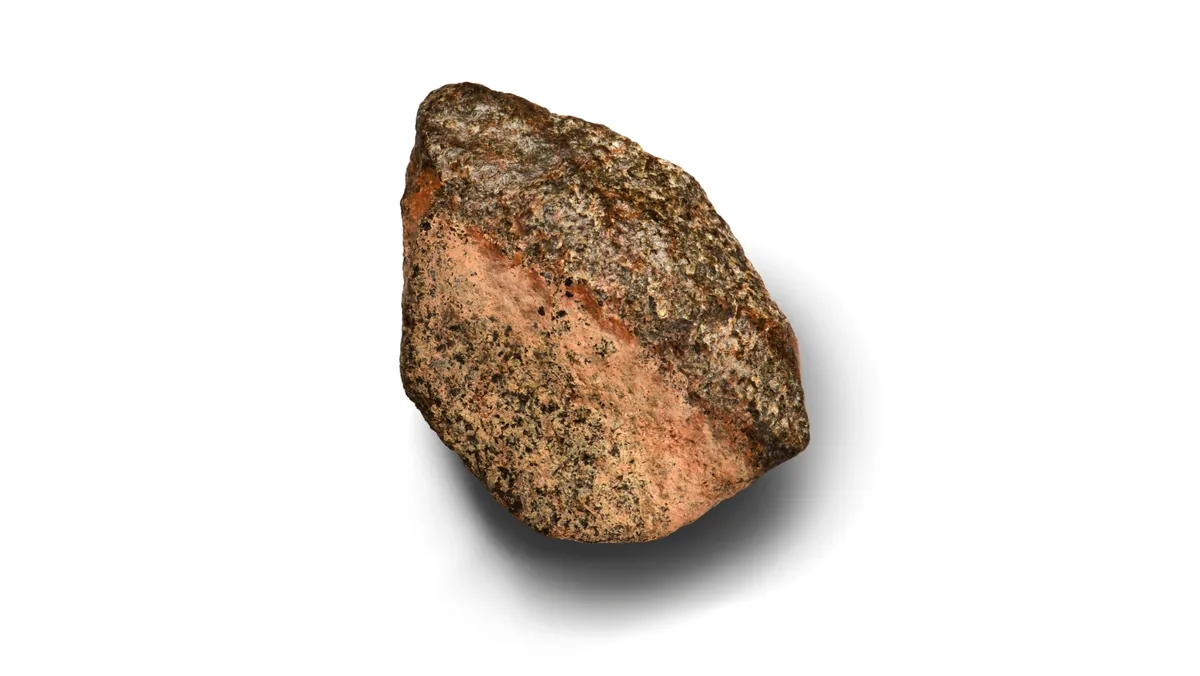
A remarkable space rock recovered from the Sahara Desert is opening new avenues in Martian planetary science. Analytical measurements confirm that the meteorite formed more than 4.1 billion years ago. This exceptional age ranks the sample among the oldest Martian meteorites ever discovered on Earth, providing scientists with an unprecedented look into the red planet's primordial era.
Scientific Analysis of the 4.1-Billion-Year-Old Sample
Detailed physical and geochemical examination of the rock has offered direct evidence regarding its ancient origin. Dating back to the early history of the Solar System, the meteorite serves as a pristine geological capsule from Mars' formative stages. Laboratory assessments indicate that the rock retains chemical signatures from the first several hundred million years of the planet's existence.
Implications for the Early Martian Crust and Water
The discovery offers critical insights into the formation of Mars' early crust and its potential interactions with water billions of years ago. By studying the meteorite's structure, researchers aim to better understand how water may have influenced the planet's early surface environment. Ongoing analyses are expected to further clarify the early evolution of Mars and its historical habitability.
Comments
Loading comments...