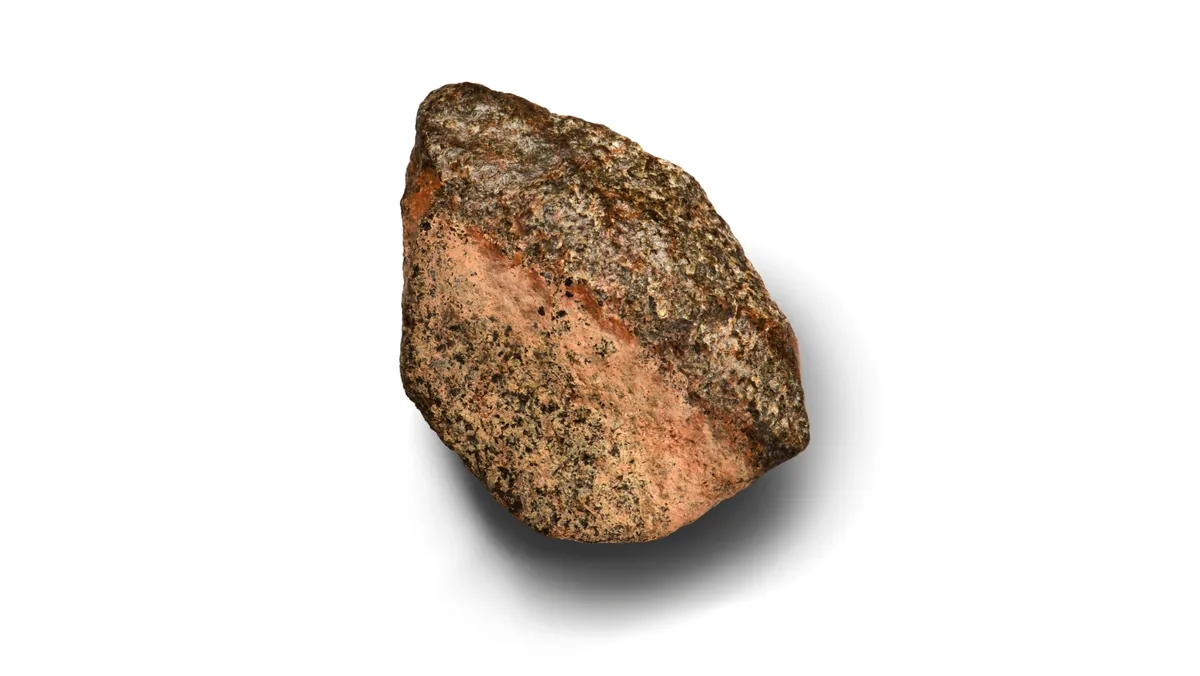
A Remarkable Discovery in the Sahara Desert
In 2022, a striking rose-colored meteorite was discovered in the Sahara Desert, sparking immediate interest among planetary scientists. At the time of its recovery, both its origin and its exact age remained completely unknown. The specimen, weighing nearly 2 pounds (800 grams), was brought to the laboratory for comprehensive analysis. NASA-funded researchers initiated a series of detailed investigations into its mineral composition, suspecting that this unique space rock could provide crucial insights into the ancient history of our Solar System.
Age-Dating and Mineralogical Measurements
The research team performed precise radiometric age-dating and mineralogical measurements on the sample's internal structures. The resulting data unequivocally proved that the rose-colored rock originated from Mars and formed more than 4.1 billion years ago. The technical measurements of its minerals confirm that it represents one of the oldest Martian meteorites ever identified, capturing a pristine record of the Red Planet's early crustal history and magnetic background.
Scientific Significance for Martian Evolution
As one of the oldest Martian rocks ever analyzed on Earth, this specimen offers an invaluable window into Mars's ancient past over 4.1 billion years ago. It provides direct physical evidence regarding the planet's early geological processes and crustal development. Scientists note that ongoing studies of this meteorite will serve as a vital baseline for upcoming Mars sample return missions and future planetary evolution models.
Comments
Loading comments...