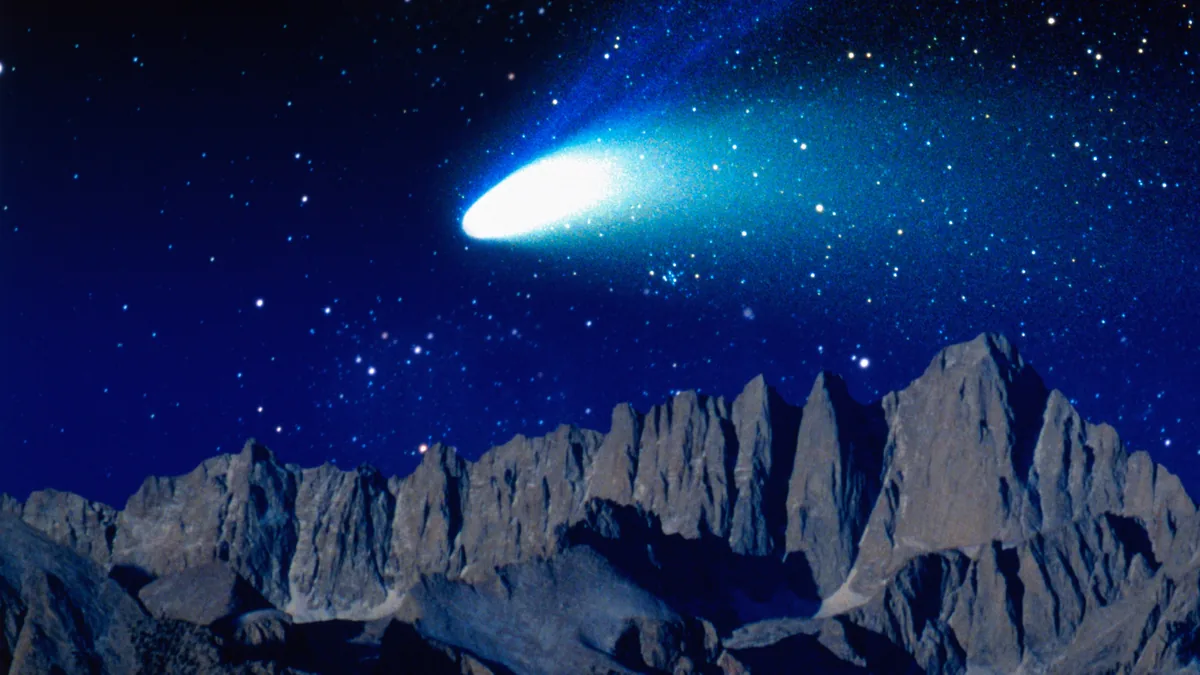
Background and Purpose of the Simulation Study
Astronomers and planetary scientists conducted an extensive simulation study to better understand the cosmic hazards Earth might face in the past and future. According to coverage by ScienceAlert, researchers ran a total of 100,000 separate computer simulations to model potential collision scenarios between comets and Earth. This massive effort aimed to analyze orbital dynamics of cosmic objects and inform planetary defense strategies.
Determining the threat levels of celestial bodies approaching Earth represents one of the most critical domains in modern astronomy. Through these advanced simulations, scientists comprehensively evaluated the complex trajectories of comets and their probability of intersecting with Earth's orbit.
Simulation Details and Surprising Findings
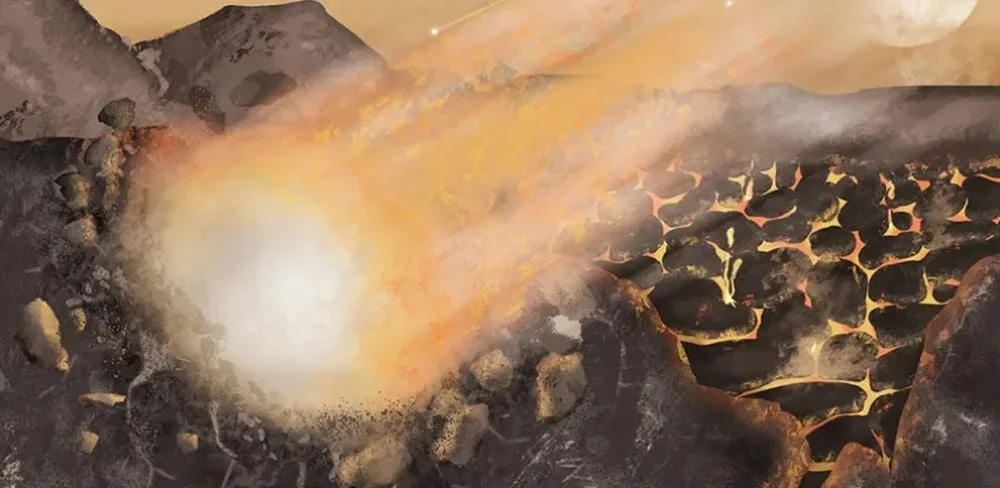
Data gathered from the 100,000 executed simulations yielded surprising results that took the research team by surprise. The calculations and models demonstrated that the likelihood of a comet directly striking Earth is an extraordinarily rare 'one-in-a-million' occurrence. This technical measurement indicates that our planet may occupy a significantly safer orbital environment against major comet strikes than previously assumed.
The findings showed that the vast majority of simulated comets approaching Earth at various angles and velocities either bypassed the planet or were deflected by the gravitational dynamics of the Solar System. It was highlighted that all findings were rigorously analyzed and verified by human experts.
Scientific Significance and Impact on Planetary Defense Models
This study provides an invaluable dataset for planetary defense models assessing Earth's vulnerability to cosmic hazards. Proving that comet impacts occur at a extremely low frequency of one-in-a-million offers an optimistic baseline for monitoring near-Earth objects and evaluating potential risks.
Researchers note that these simulation outcomes will be utilized to refine future observation strategies and prioritize space telescope targets. Subsequent orbital modeling efforts will continue to track the movements of small bodies across the Solar System with even higher precision.
Comments
Loading comments...