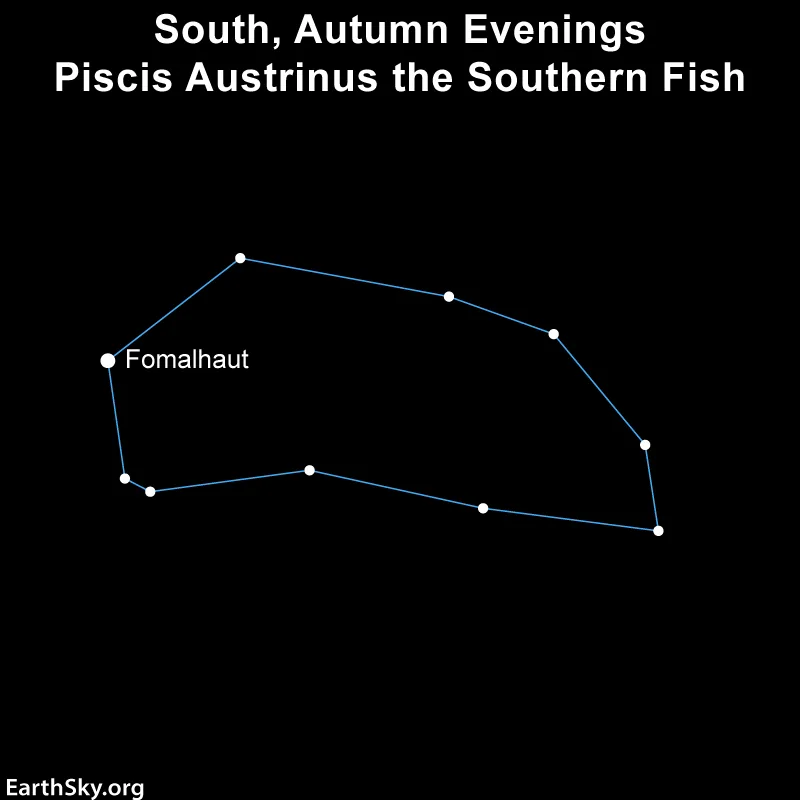
Celestial Orientation via Pegasus and Fomalhaut
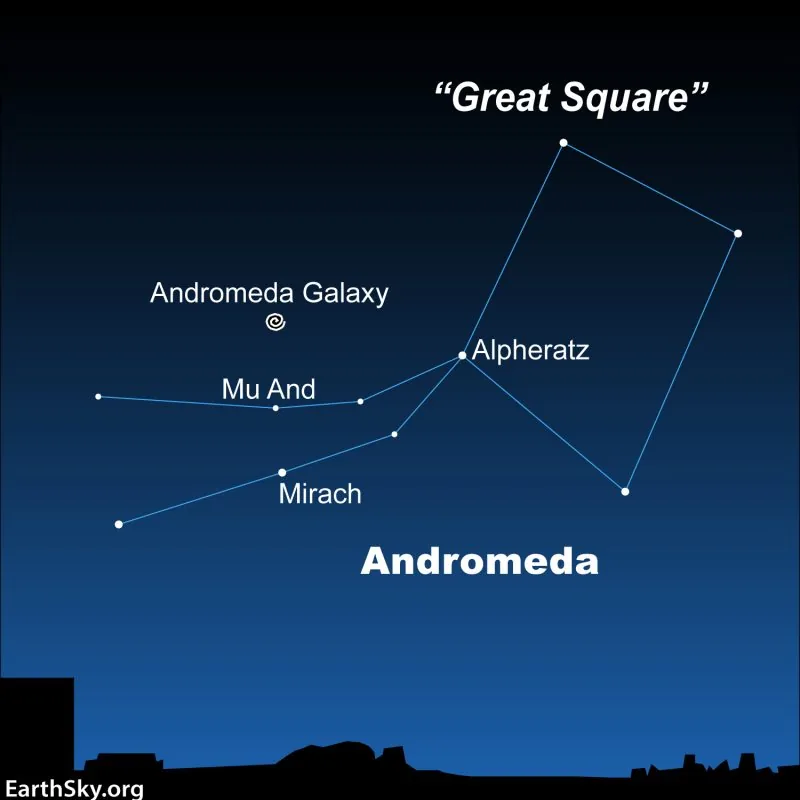
The Great Square of Pegasus, a prominent asterism in the night sky, serves as a vital navigational landmark for stargazers. By extending a line through the stars of this square, observers can easily pinpoint Fomalhaut, one of the brightest stars in the southern sky. Beyond finding a specific star, this path provides a unique orientation leading outward from our celestial neighborhood.
Line of Sight into Intergalactic Space
Gazing toward the region of Fomalhaut aligns the observer's line of sight away from the dense plane of gas, dust, and stars that forms the disk of the Milky Way. Located near the galactic poles, this direction is often described as our galaxy's southern window. Because interstellar dust obstruction is minimal along this trajectory, it offers an unobstructed view into the vast intergalactic space beyond our galaxy.
Scientific Significance for Skywatchers
Looking perpendicular to the galactic disk significantly reduces interstellar extinction and background noise, which is crucial for cosmological observations. This line of sight allows astronomers and amateur observers alike to focus on extragalactic targets. Utilizing Pegasus to locate Fomalhaut enables skywatchers to directly appreciate this clear gateway to the broader universe.
Comments
Loading comments...