A 6.4 Billion Kilometer Journey into Deep Space
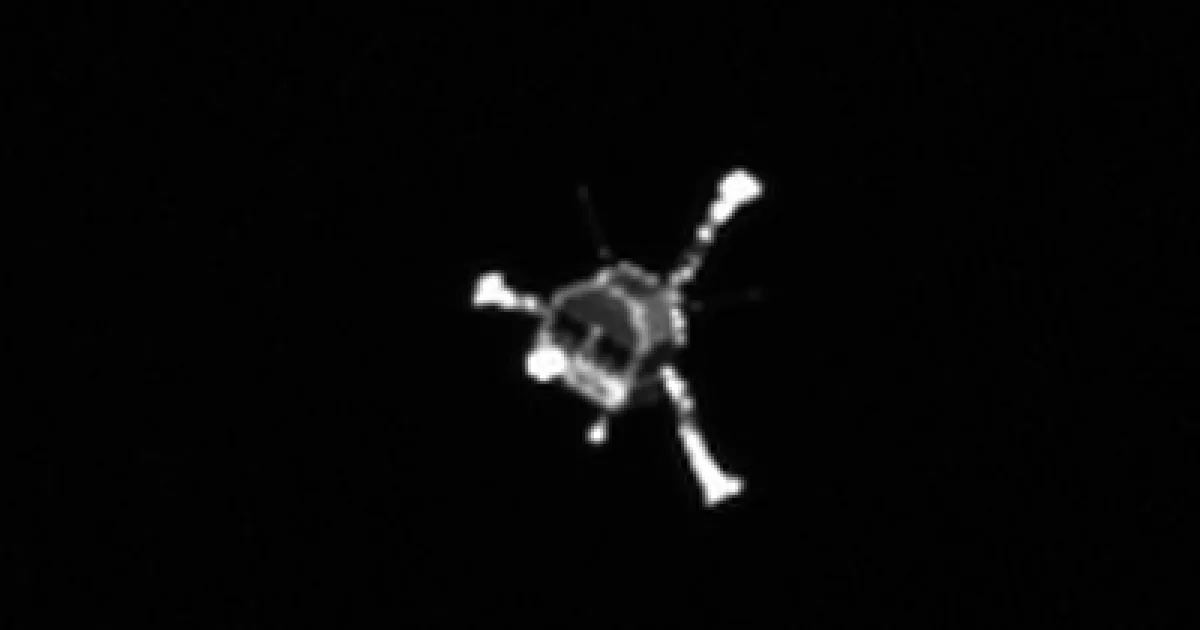
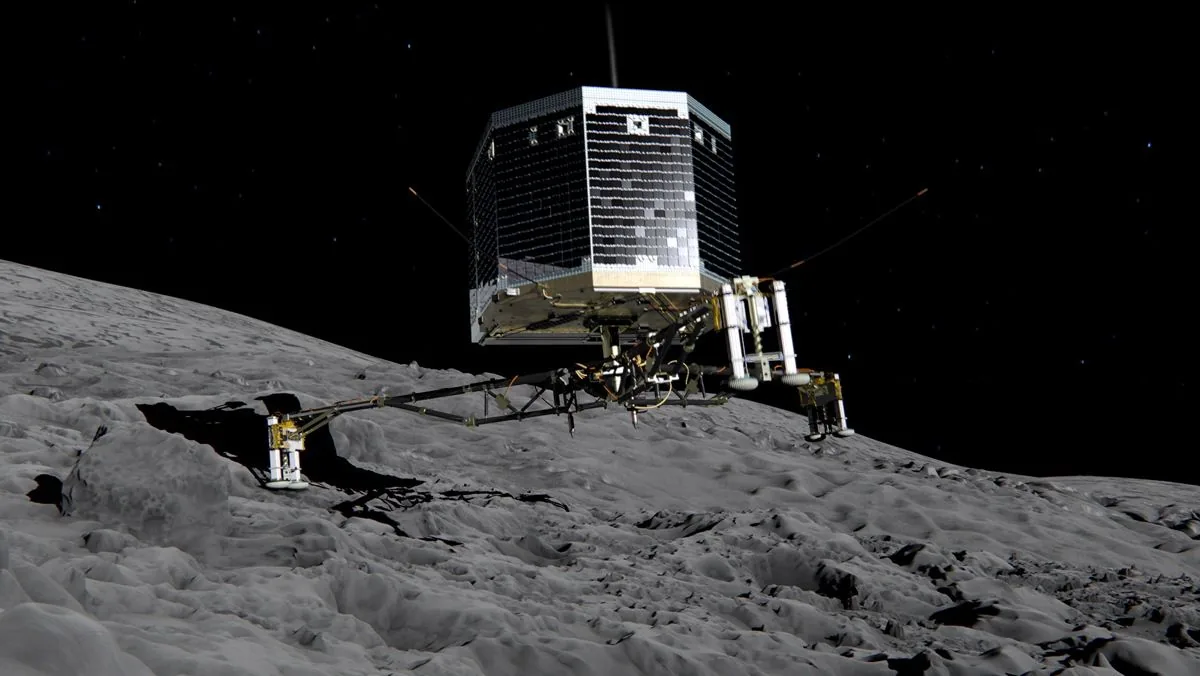
The European Space Agency's (ESA) Rosetta mission was launched on March 2, 2004, setting off on a 6.4 billion kilometer (4 billion miles) trajectory toward Comet 67P/Churyumov-Gerasimenko. The spacecraft comprised two primary components: the Rosetta orbiter and the Philae lander, both engineered for a comprehensive investigation of the comet's environment.
Orbital Insertion and Observation Phases
After a decade-long voyage, the spacecraft arrived at Comet 67P/C-G on August 6, 2014. A month after its arrival, Rosetta entered into orbit around the icy body to map its surface and analyze its composition, preparing for the historic deployment of the Philae lander to the comet's surface on November 12, 2014.
A New Era in Small-Body Astronomy
The Rosetta mission represents one of the most ambitious endeavors to study small Solar System bodies in detail. By analyzing data collected directly from orbit and the surface, scientists gain unprecedented insights into the primitive material that formed the early Solar System.
Comments
Loading comments...