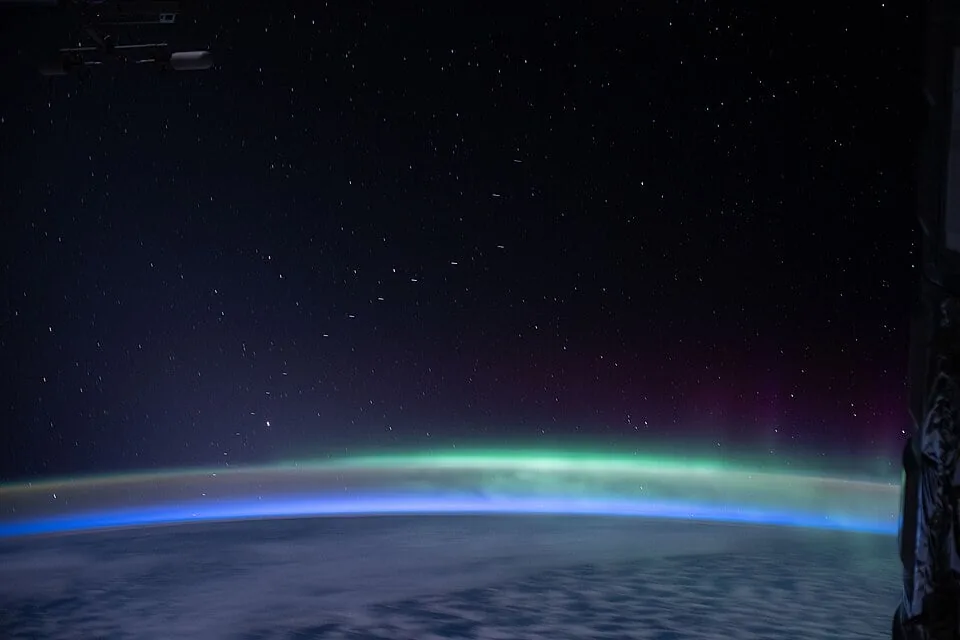
Crowded Orbits and Escalating Debris Risks
Humanity is launching objects into space at an unprecedented rate. Space agencies currently track more than 30,000 debris objects larger than a softball, while an estimated one million bullet-sized pieces remain un-trackable from the ground. With commercial and government entities planning to operate up to 100,000 active spacecraft by the early 2030s, Earth's orbital shells are rapidly transforming into congested highways.
Fundamental Flaws in Regulatory Math
A new research paper authored by Federico Toson from the University of Padova in Italy, available on arXiv, highlights a critical blind spot in orbital safety. Toson demonstrates that the mathematical models regulatory agencies rely on to certify satellite safety in heavily congested spaces are fundamentally flawed. These traditional calculations fail to accurately capture the dynamic risks presented by dense satellite constellations.
Scientific Implications for Space Sustainability
The findings indicate that the real risk of orbital collisions may be significantly higher than official models currently predict. To prevent cascading collision events and ensure long-term space sustainability, regulatory agencies will need to update their safety math and collision avoidance frameworks before tens of thousands of new satellites launch.
Comments
Loading comments...