A New Milestone in Titan Exploration
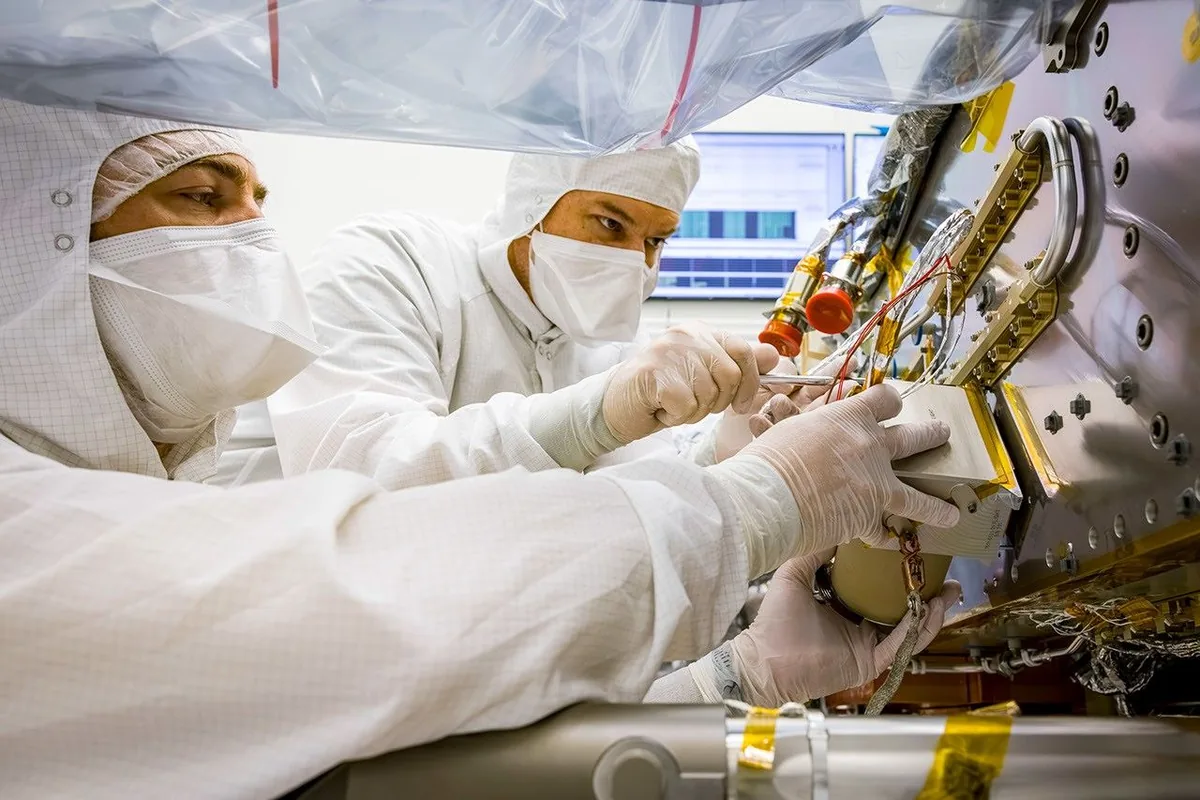
NASA's Dragonfly mission, designed to explore Saturn's largest moon Titan, has reached a key assembly milestone. Science instruments for the car-sized rotorcraft have started arriving at the Johns Hopkins Applied Physics Laboratory (APL) in Laurel, Maryland. The team is integrating these advanced tools into the spacecraft structure to prepare for its groundbreaking journey.
Technical Capabilities of DragonCam
The first instrument suite to arrive at the laboratory is DragonCam, which serves as the visual eye of the spacecraft. Comprising seven specialized cameras, DragonCam is designed to characterize Titan's surface at multiple scales during the mission. This camera array will capture both microscopic surface textures and broad landscape features during flights and surface operations.
Scientific Significance and Mission Horizons
Integrating these optical instruments into Dragonfly represents a major step forward in understanding Titan's complex environment. Once assembly and rigorous testing at APL are completed, the rotorcraft will be fully equipped to navigate Titan's thick atmosphere and provide unprecedented insights into the distant moon's organic-rich surface.


Comments
Loading comments...