The Soviet Union's Final Deep Space Mission: Phobos 2
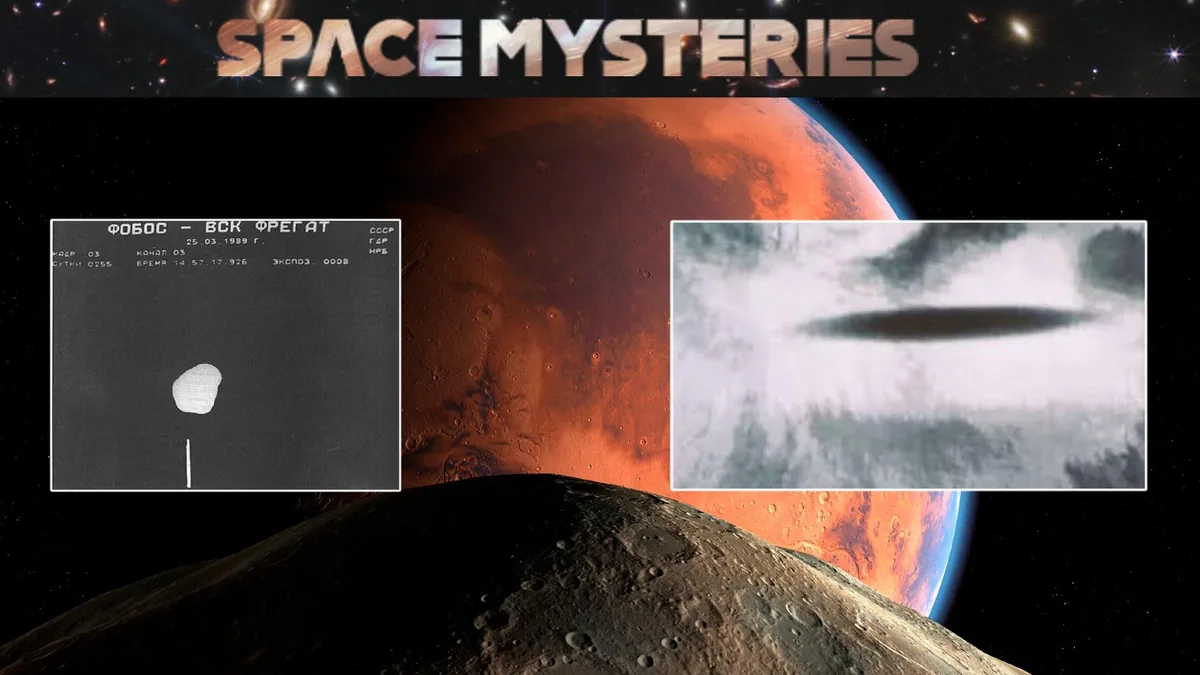
Phobos 2, the final deep space probe launched by the Soviet Union, was sent to explore Mars and its intriguing moon. This historic mission marked one of the last major endeavors of the Soviet interplanetary space program. Beyond its scientific goals, the spacecraft became famous for the mysterious data and final images it sent back to Earth just before losing contact. The images captured during its orbital operation around Mars continue to fascinate astronomy enthusiasts and researchers decades later.
The Peculiar Shadow in the Final Images
Analysis of the final photographs transmitted by Phobos 2 revealed an odd-looking shadow on the surface of the Red Planet. Captured by the probe's imaging systems, this unusual shape appeared as a distinct anomaly on Mars. These final frames were successfully relayed to Earth moments before all communication with the spacecraft abruptly ceased. The visual characteristics of the shadow raised numerous questions about the optical conditions and angles under which the image was recorded.
Scientific Legacy and Conspiracy Theories
Following the sudden loss of the spacecraft, the final imagery captured by Phobos 2 became a hotbed for conspiracy theories and speculation. While scientists attempted to contextualize the shadow using planetological models, the sudden end of the mission added an air of mystery to the discovery. Phobos 2's final photographic legacy serves as a compelling reminder of the unpredictability and challenges associated with deep space exploration.
Comments
Loading comments...