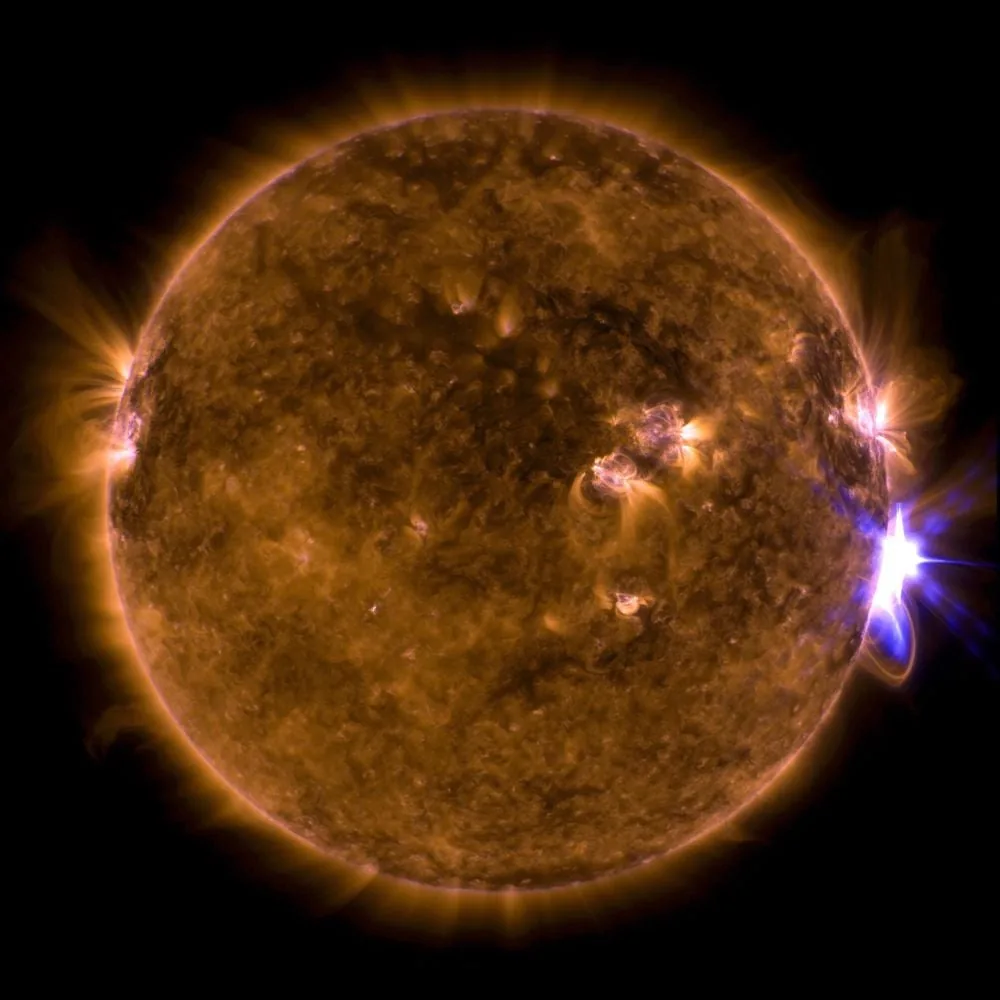
Solar Flaring and Magnetic Reconnection
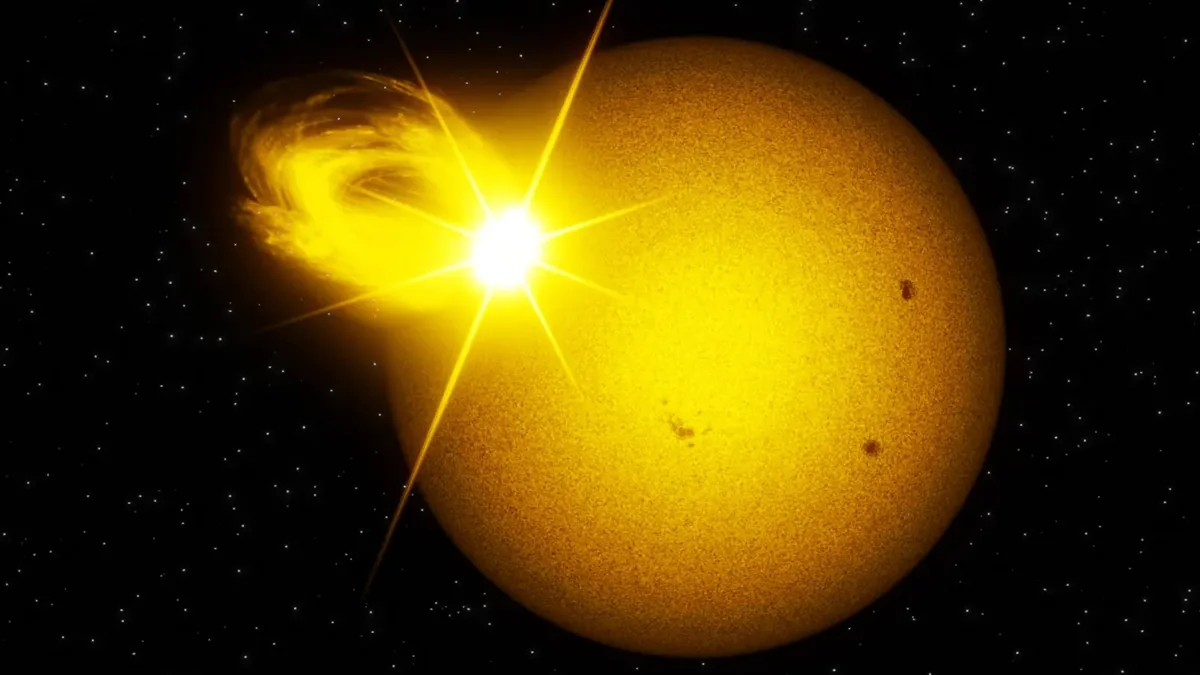
Solar flares represent some of the most energetic and volatile events occurring within the solar atmosphere. These violent outbursts are fundamentally driven by magnetic reconnection, a process during which distorted magnetic field lines fracture, realign, and abruptly snap back toward the solar surface. While this mechanism releases colossal amounts of energy and superheats the surrounding plasma, observing the intricate internal phases of such eruptions has historically posed major observational challenges.
Probing Flare Ribbons with Novel Techniques
To overcome these observational limitations, researchers developed an innovative approach focusing on flare ribbons—the bright, elongating structures traced across the lower atmosphere during flaring events. Because flare ribbons mark the exact footpoints where reconnected magnetic flux tubes deposit energy into the chromosphere, their evolution mirrors the explosive dynamics above. The new analytic method tracks ribbon morphology and movement to reconstruct the fine-scale reconnection sequence that remains otherwise obscured from direct view.
Advancing Solar Physics and Magnetic Models
This diagnostic breakthrough provides critical insights into plasma physics and high-energy magnetic phenomena across stellar environments. By mapping the subtle dynamics of flare ribbons back to the core reconnection engine, scientists can refine existing models of solar flare evolution and space weather generation. Going forward, the technique will serve as a foundational tool for interpreting high-resolution solar data and deciphering the energetic cycles that govern our star.
Comments
Loading comments...