The Mysterious Beacons of Extreme Gravity
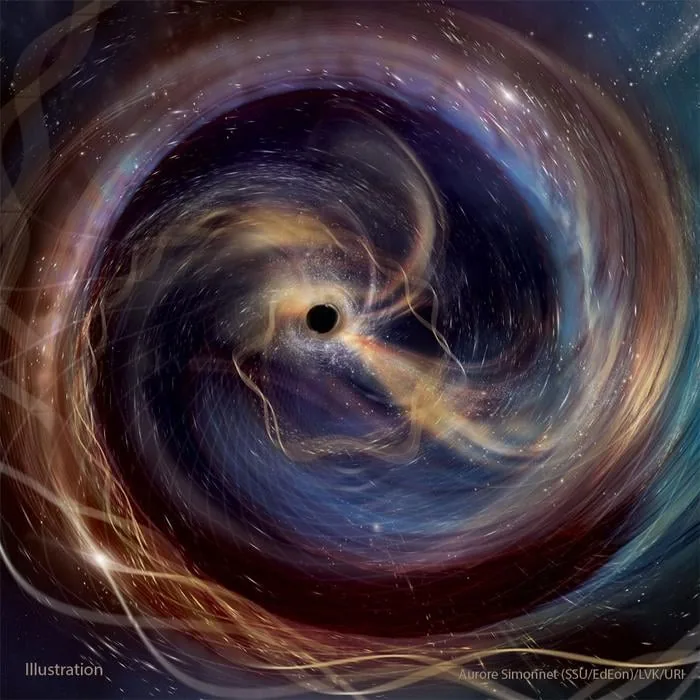
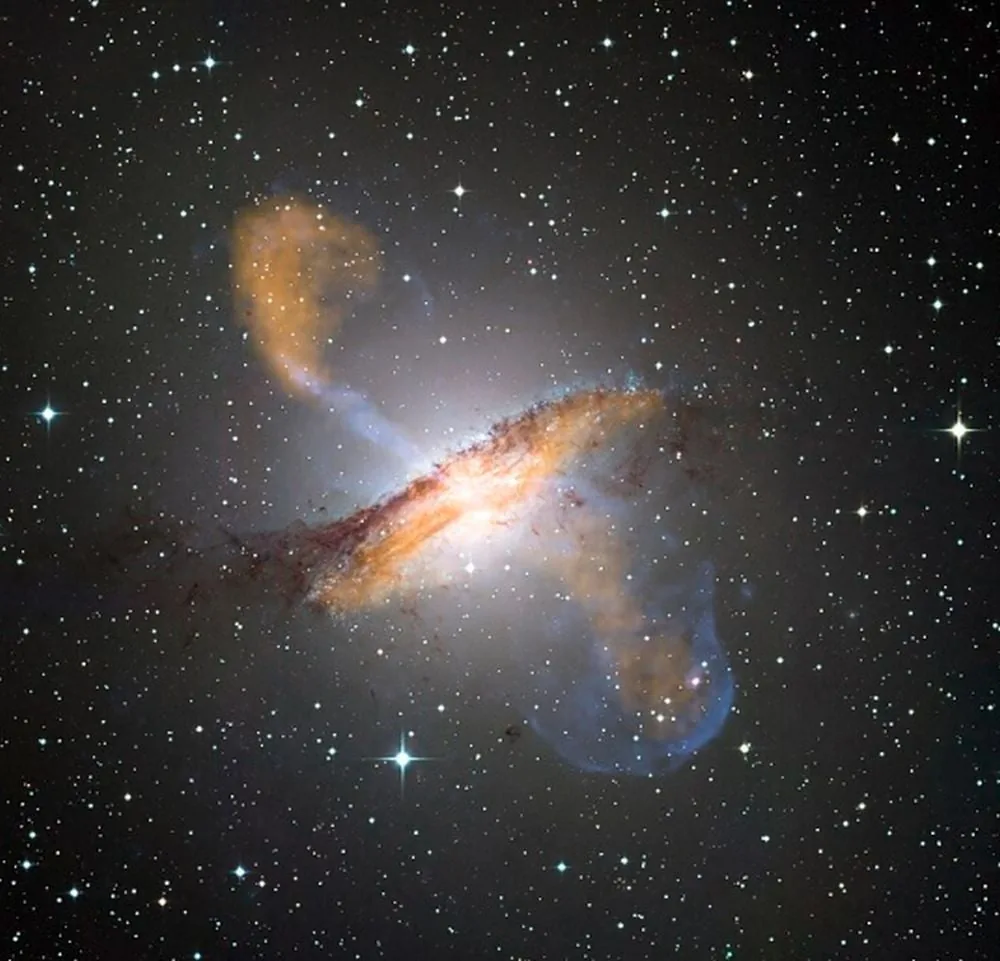
Black holes continue to be some of the most enigmatic and awe-inspiring celestial bodies ever studied in astrophysics. Because they emit no light directly, they remain practically invisible unless they actively interact with surrounding matter, such as stripping material from a companion star. The cosmos hosts an array of these objects, including solitary black holes wandering freely through interstellar space, stellar-mass remnants forged in supernova explosions, and supermassive monsters anchoring the centers of galaxies.
The Dynamics of Cosmic Mergers
Among the most profound mysteries in gravitational physics is the question of what transpires when two black holes collide and coalesce. As their orbits decay, their violent mutual interaction churns the fabric of spacetime, culminating in a single, more massive black hole. Following the merger, the newborn entity undergoes a ringdown phase, vibrating like a struck bell as it stabilizes into its final equilibrium state, radiating immense gravitational energy across the universe.
Precision Probes of General Relativity
The signals produced during these collisions offer scientists an unprecedented opportunity to perform precision tests of general relativity under the most extreme gravitational conditions imaginable. By comparing the observational signatures of colliding and merging black holes against theoretical predictions, physicists can verify whether Einstein's framework holds true at the edge of physical reality, guiding the future of gravitational wave astronomy.
Comments
Loading comments...