Cosmic Monsters in the Infant Universe
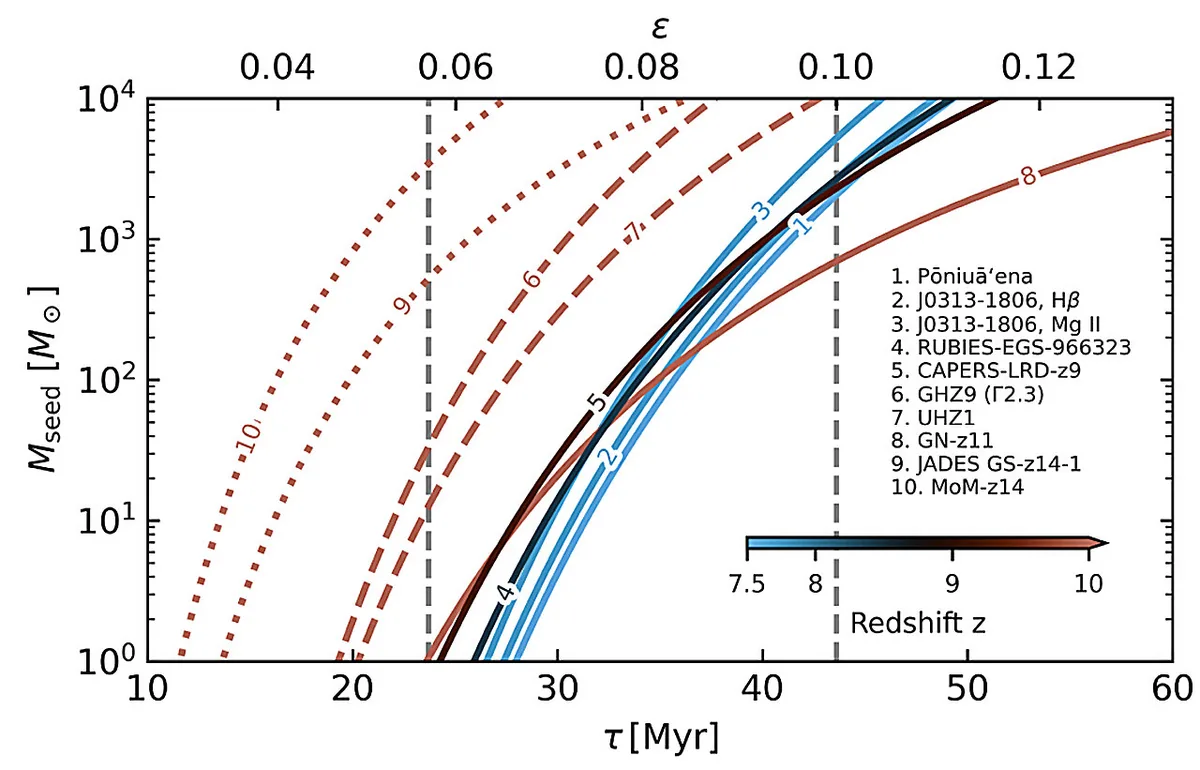
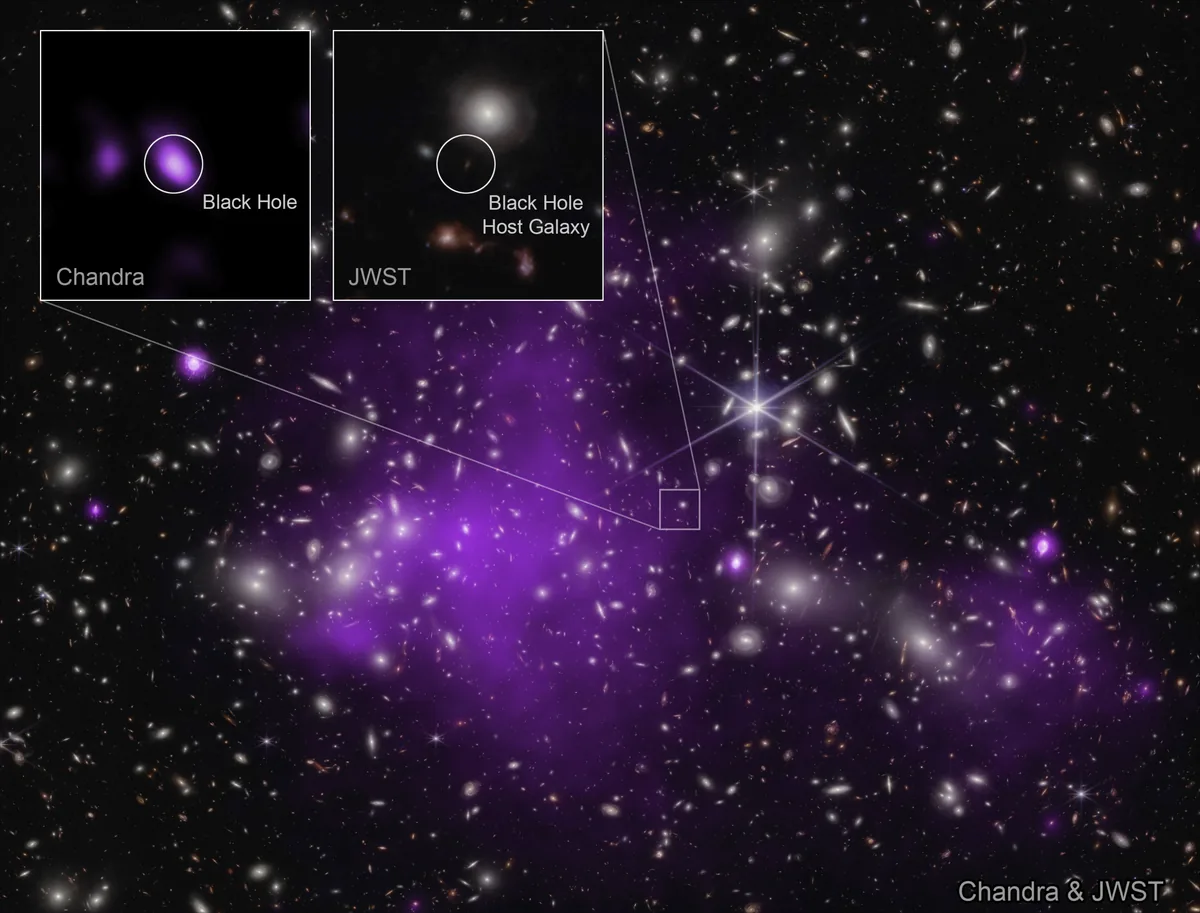
When the universe was less than 700 million years old, the supermassive black hole fueling the quasar designated J0313-1806 had already accumulated roughly 3 billion times the mass of our sun. This extreme object represents a central puzzle that has occupied astrophysicists for two decades: determining how supermassive black holes could achieve such immense scales so rapidly after the Big Bang.
Accretion Limits and Chaotic Dynamics
Standard astrophysical paradigms restrict black hole growth via the Eddington limit, where outward radiation pressure counters the gravitational inward pull of matter. The sheer size of J0313-1806 suggests that early growth may not have been a smooth, steady accretion process, but rather driven by rapid, productive chaos and turbulent gas feeding mechanisms.
Implications for Galaxy Evolution Models
Explaining how these colossal black holes formed during the dawn of the universe is critical for refining models of early cosmic structure and galaxy evolution. Continued investigations with cutting-edge observatories aim to differentiate between massive direct-collapse seed models and hyper-Eddington accretion regimes to resolve this enduring astrophysical mystery.
Comments
Loading comments...