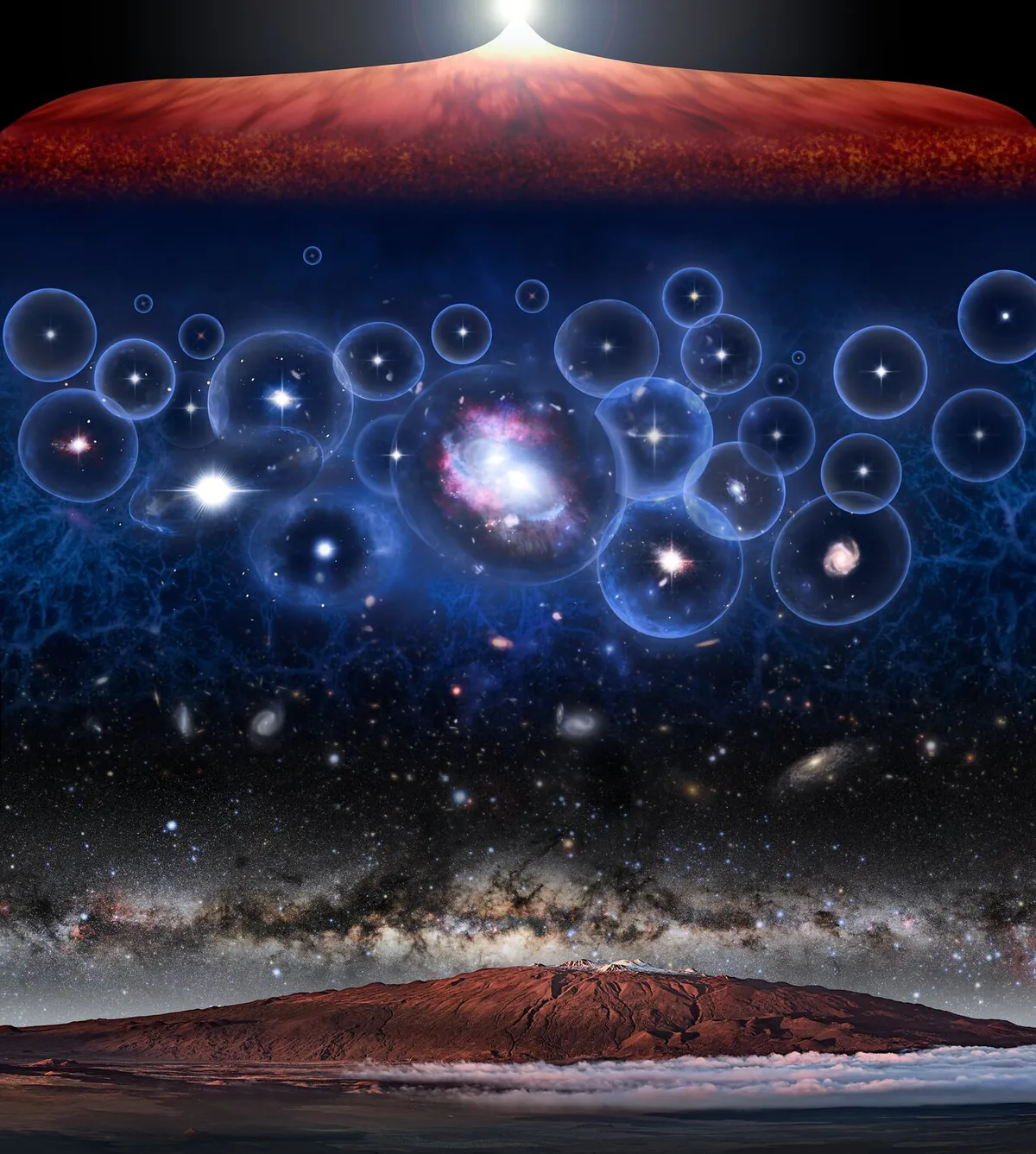
A Groundbreaking Discovery in the Early Universe
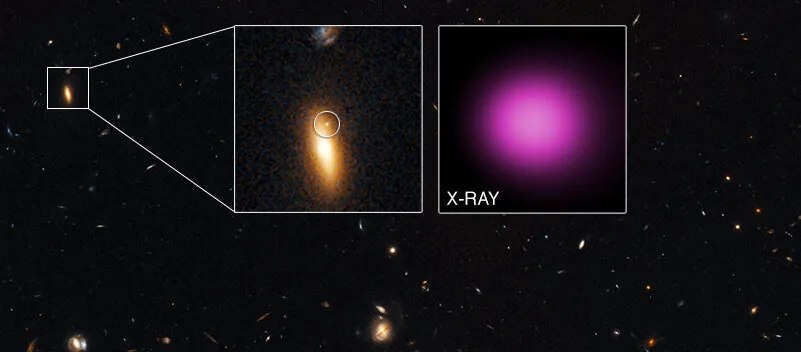
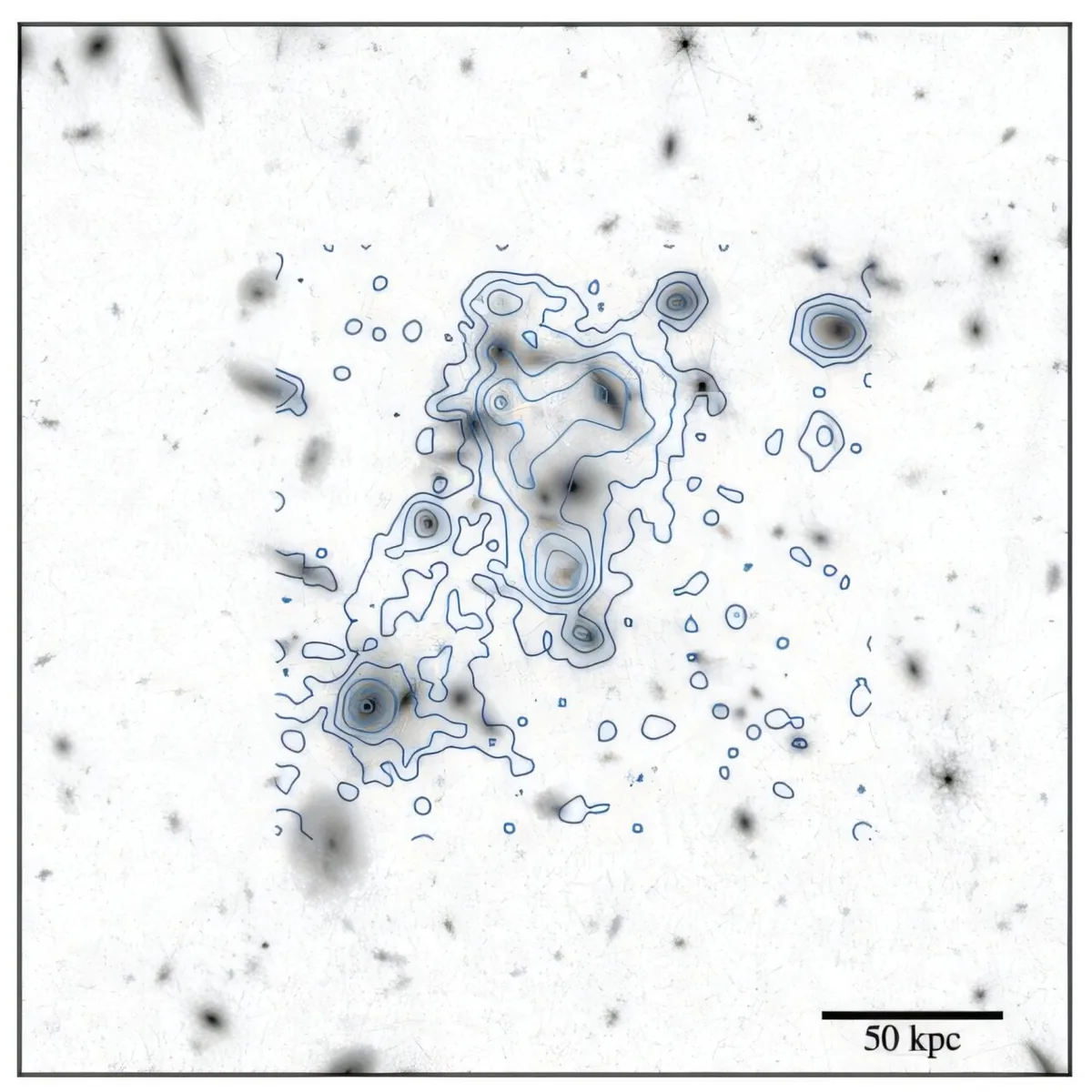
Astronomers have uncovered the oldest compact pair of quasars ever observed, dating back to just 900 million years after the Big Bang. Given the Hawaiian nickname Nāpōwawāʻenakaulua, this extraordinary system consists of two actively feeding supermassive black holes situated in extremely close proximity during cosmic dawn.
Observational Findings and Astrophysical Puzzles
Detailed spectroscopic observations reveal that both quasars are actively accreting vast amounts of surrounding matter. However, astrophysicists point out that current theoretical models offer no clear explanation for how two black holes could grow to such immense masses so early in the history of the Universe.
Implications for Cosmology and Black Hole Growth
The discovery of Nāpōwawāʻenakaulua challenges standard paradigms regarding supermassive black hole formation and early galactic mergers. Future high-resolution observations of this pair promise to reshape our understanding of how the universe's most massive objects originated and evolved.
Comments
Loading comments...