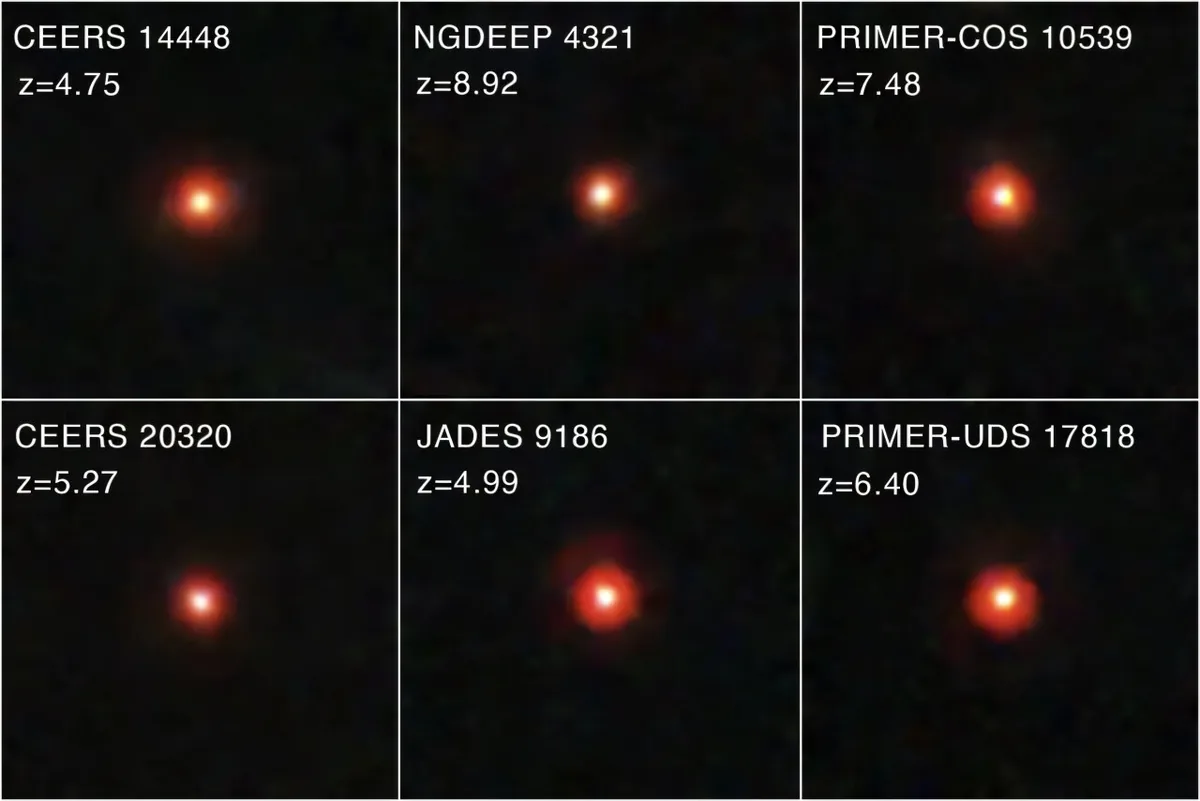
James Webb Space Telescope and 'Little Red Dots'
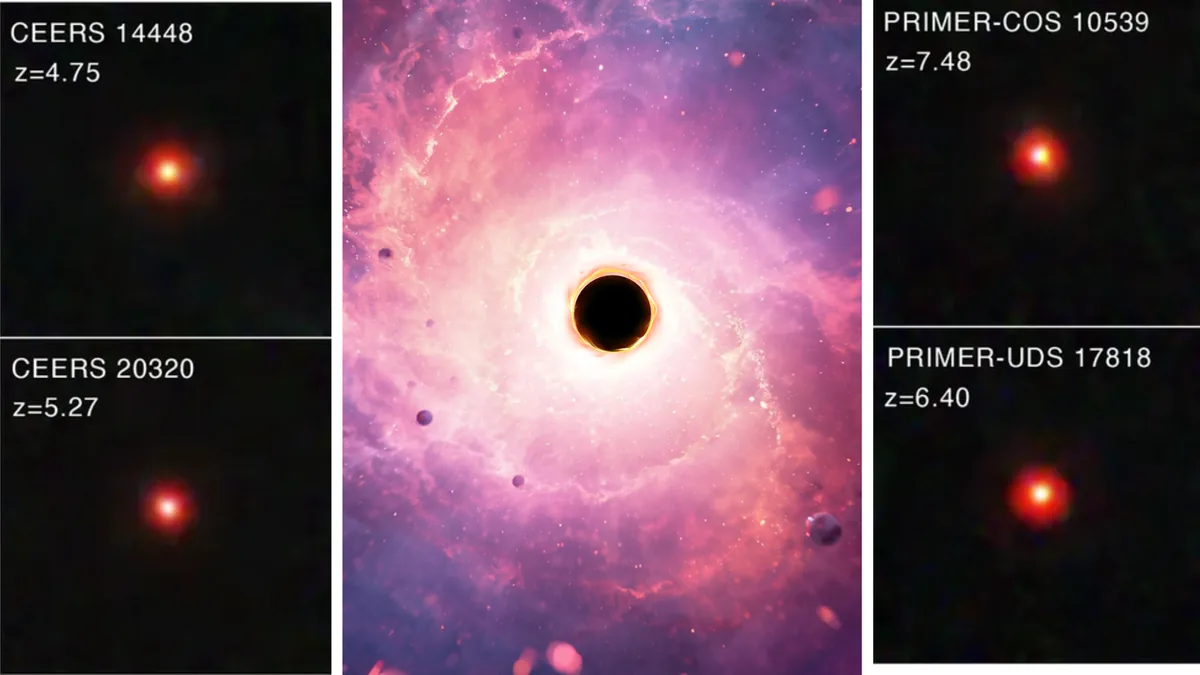
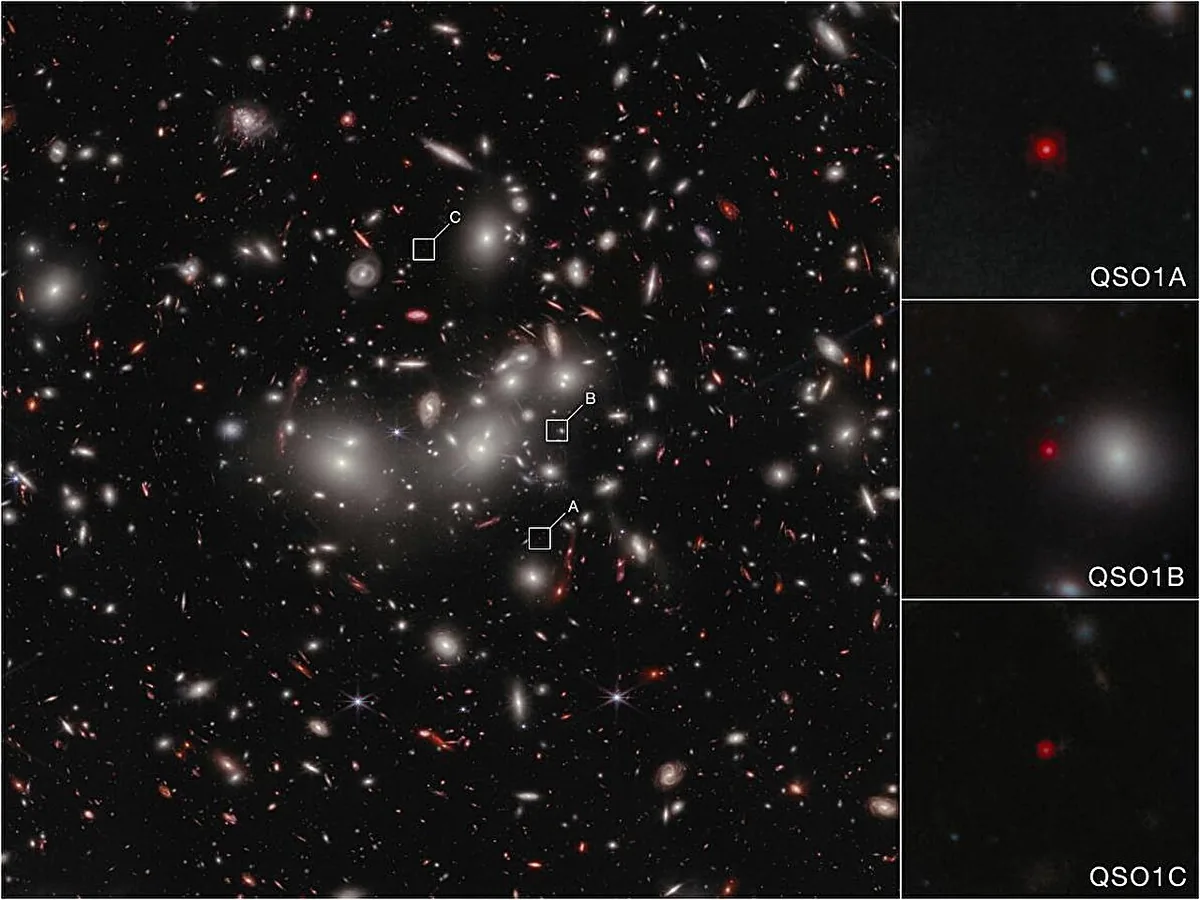
Mysterious objects discovered in observations by NASA's James Webb Space Telescope (JWST), known as 'little red dots' (LRDs), have long been a subject of debate in astronomy. Researchers utilized sophisticated computer simulations to understand the true nature of these puzzling structures. The latest findings offer the strongest explanation yet for the origins of these red objects in the early universe.
Simulation Details and Black Hole Formation
Advanced simulation models examined the light and mass properties of these little red dots in great detail. The analyses demonstrated how dense gas and dust masses within these structures initiated the process of forming early massive objects. Measurements and modeling revealed that the cosmic seeds of the very first supermassive black holes were planted and nurtured within these regions.
Significance for Cosmology and Galaxy Evolution
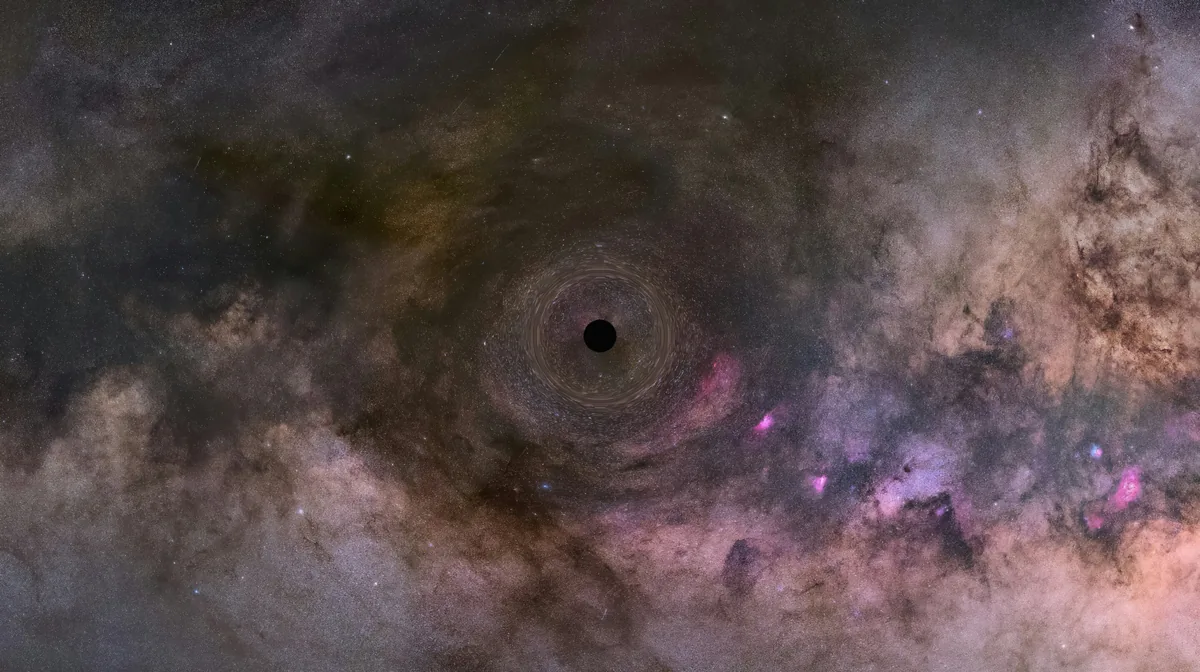
This discovery has the potential to answer how supermassive black holes in the early universe were able to form so rapidly. Confirming that 'little red dots' are the birthplaces of black holes could fundamentally reshape models of galaxy evolution and early cosmic structure formation. Researchers are planning further observations with JWST to analyze these structures in even greater detail.
Comments
Loading comments...