Background of the Discovery
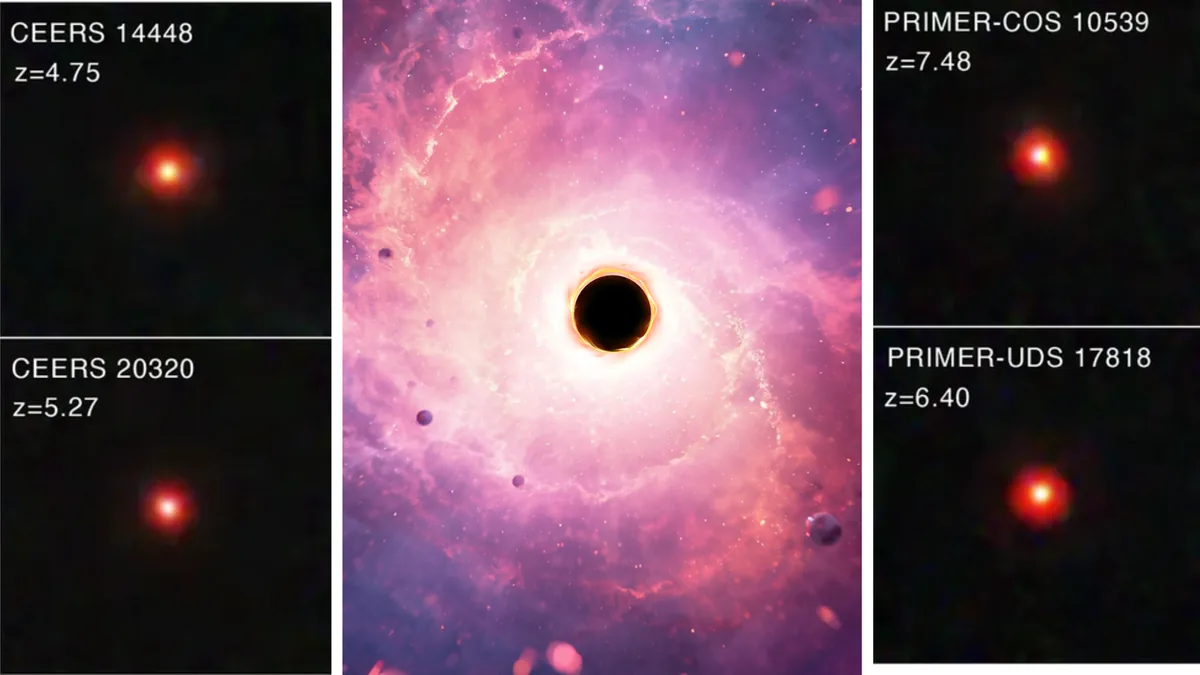
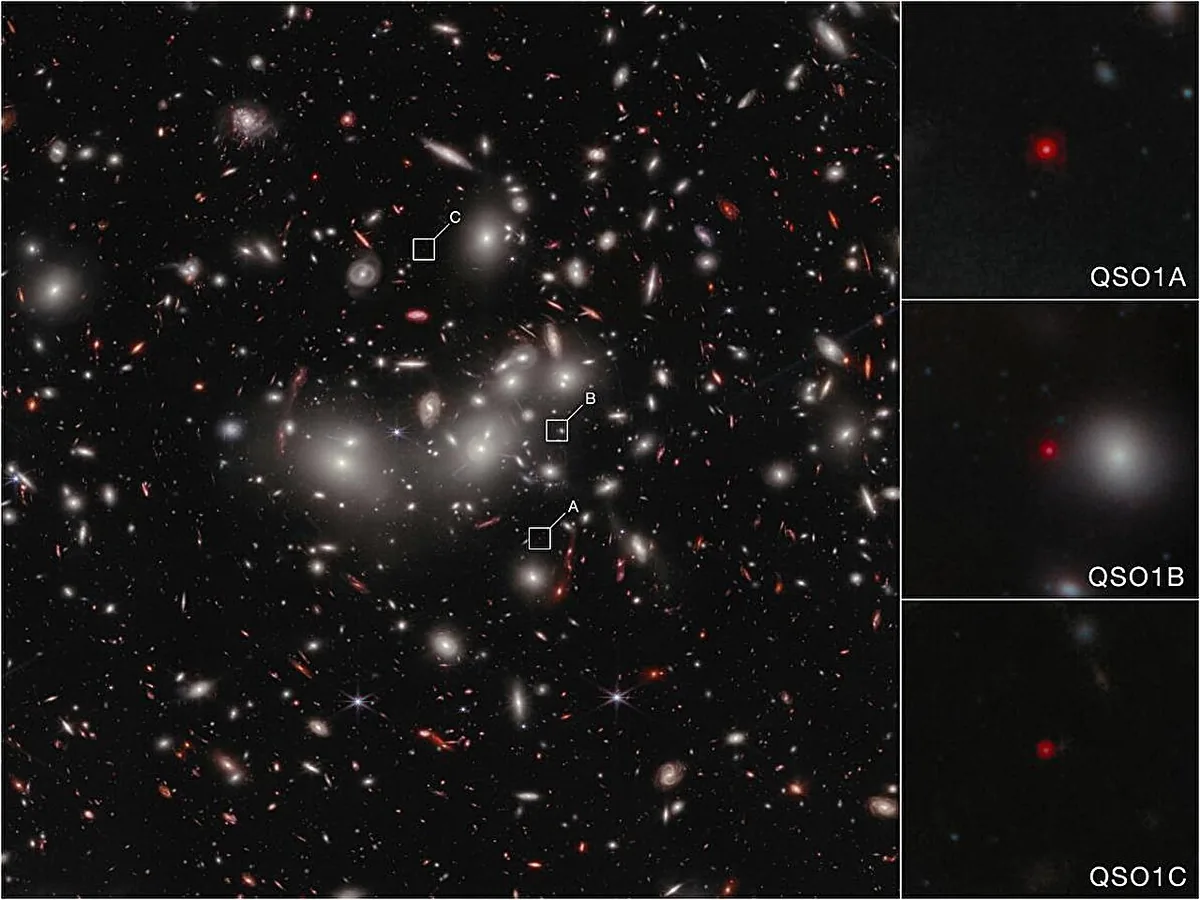
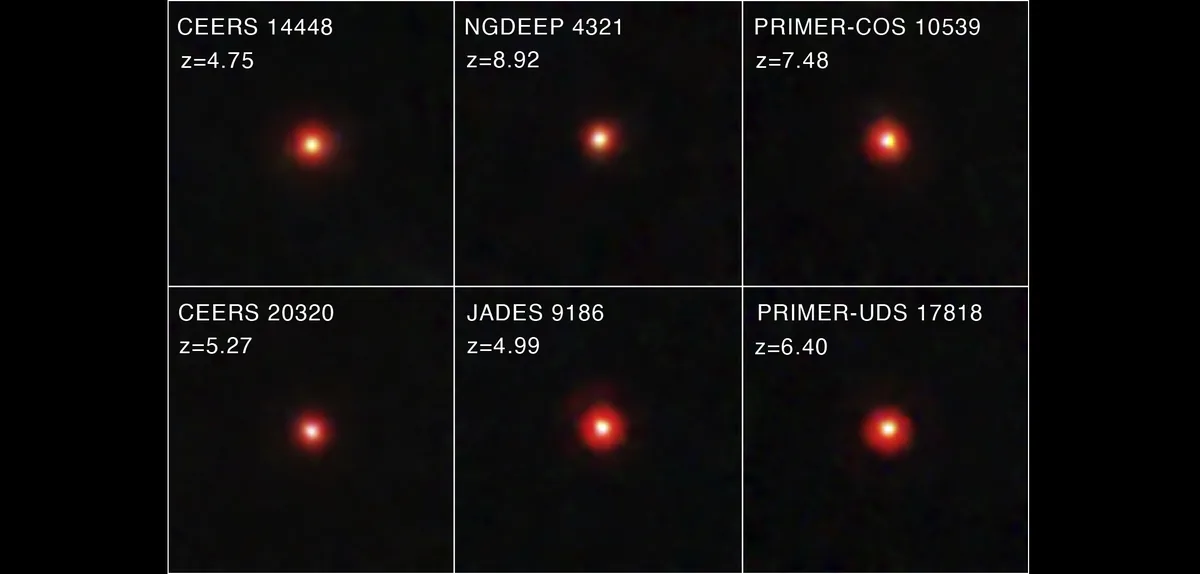
Since the beginning of its scientific operations, the James Webb Space Telescope (JWST) has revealed mysterious cosmic objects in the early universe dubbed 'Little Red Dots.' Astronomy research teams have been actively studying these compact red sources to uncover their true nature.
Observational and Theoretical Details
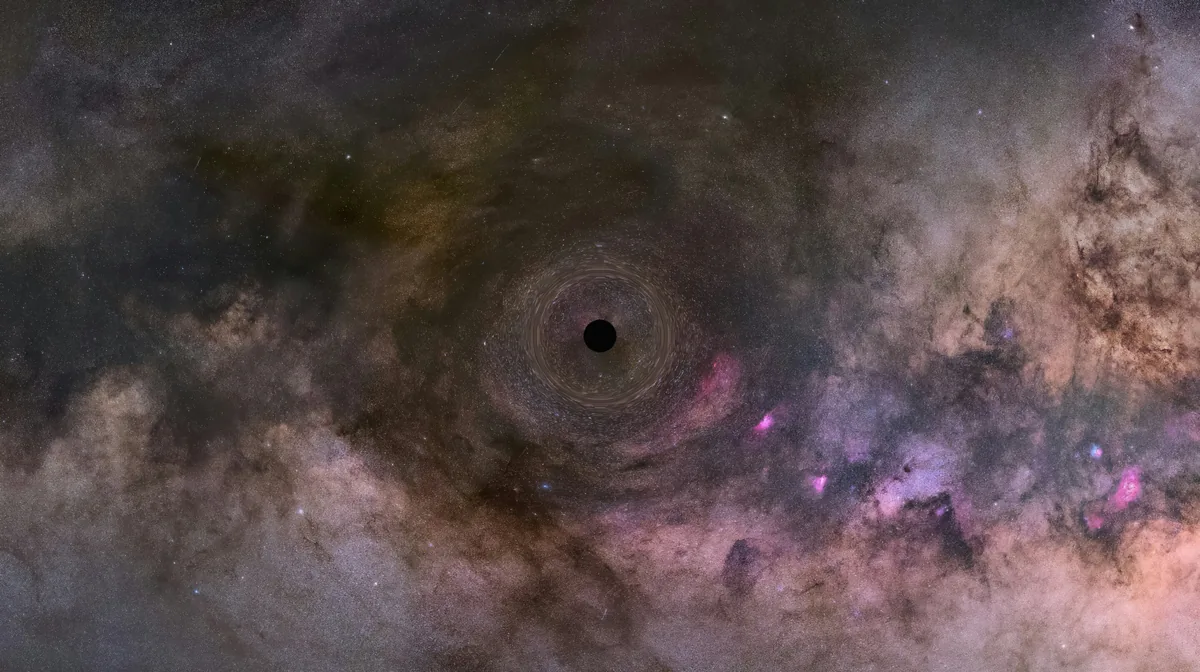
New scientific research indicates that these objects could host 'primordial black holes' formed during the Big Bang. By analyzing light and spectral characteristics, scientists point out that the extreme brightness and compactness of these Little Red Dots are difficult to explain through conventional galaxy evolution models.
Scientific Significance and Future Plans
If confirmed, this hypothesis would provide direct observational support for the existence of primordial black holes. Such a finding could fundamentally alter cosmological models and our understanding of matter distribution in the early universe, prompting further high-resolution observations with JWST.
Comments
Loading comments...