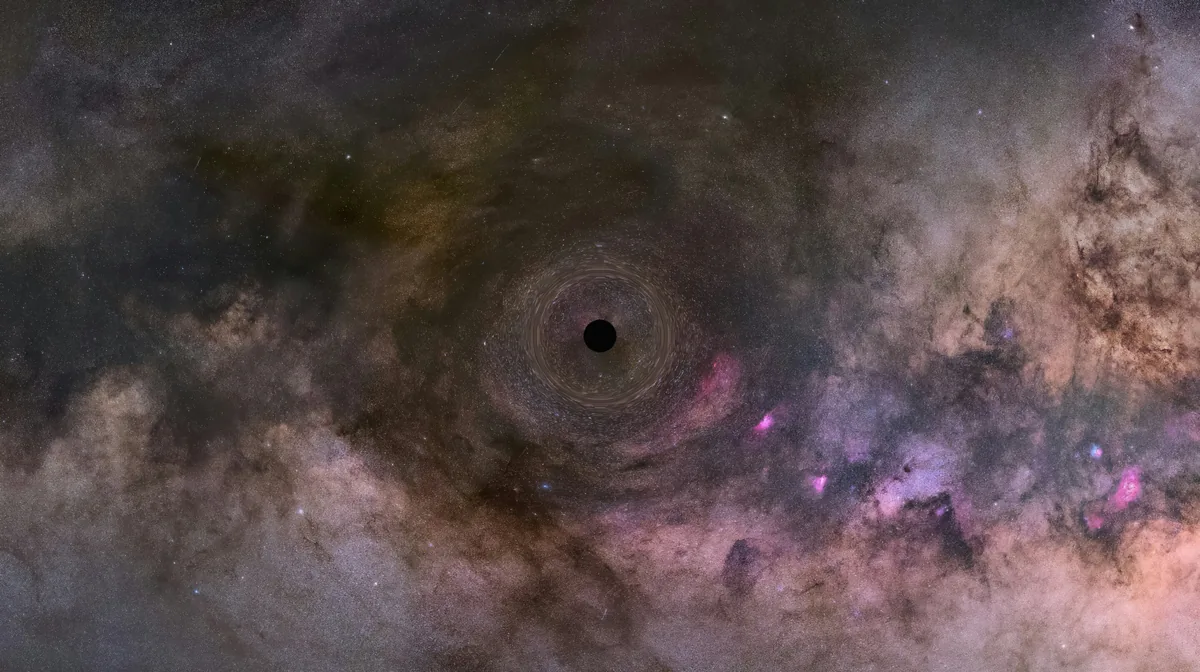
The Early Universe Black Hole Enigma
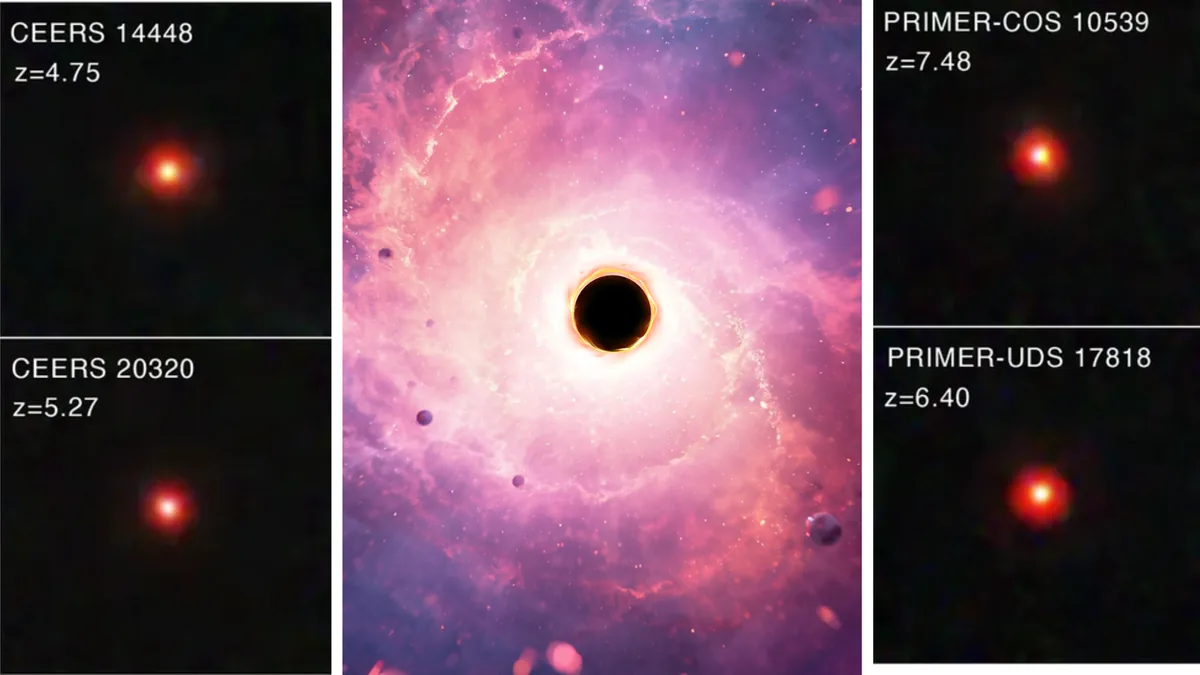
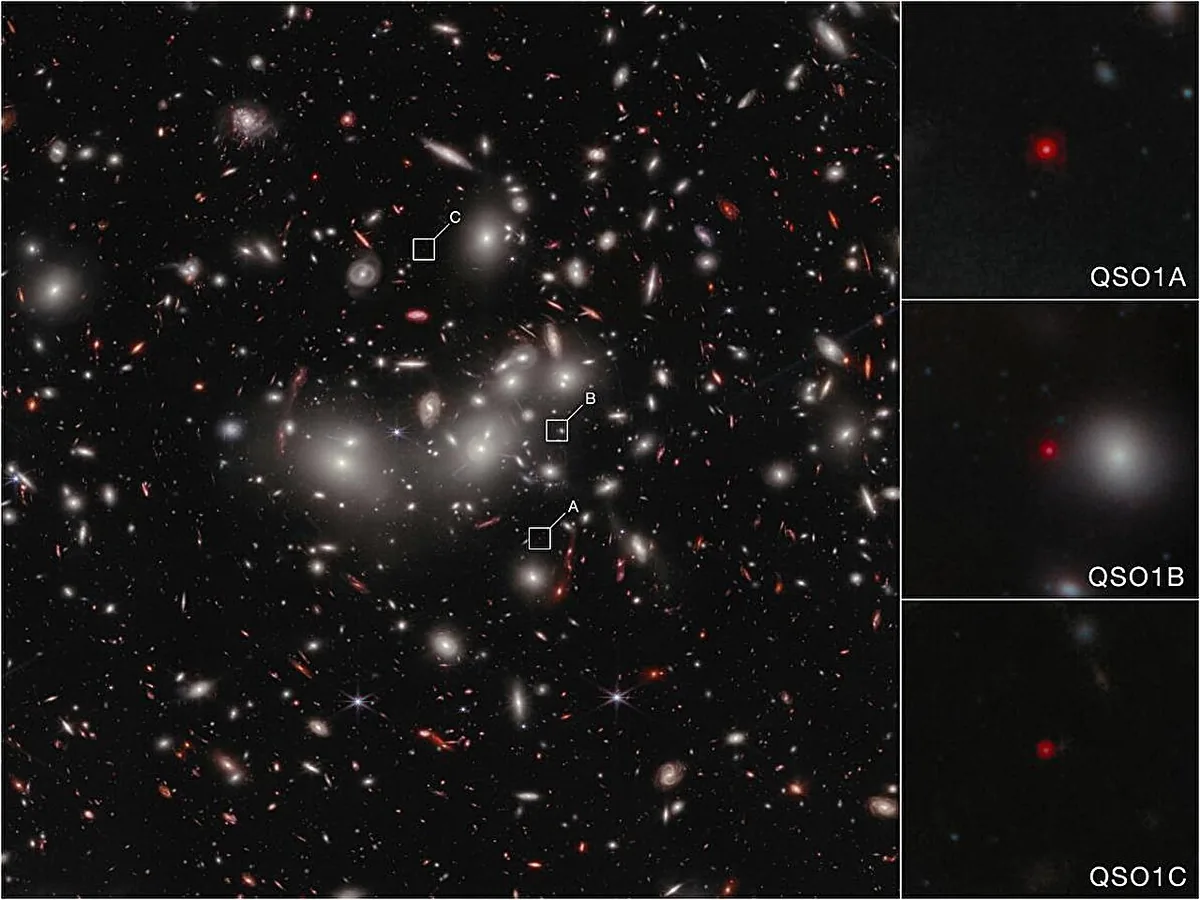
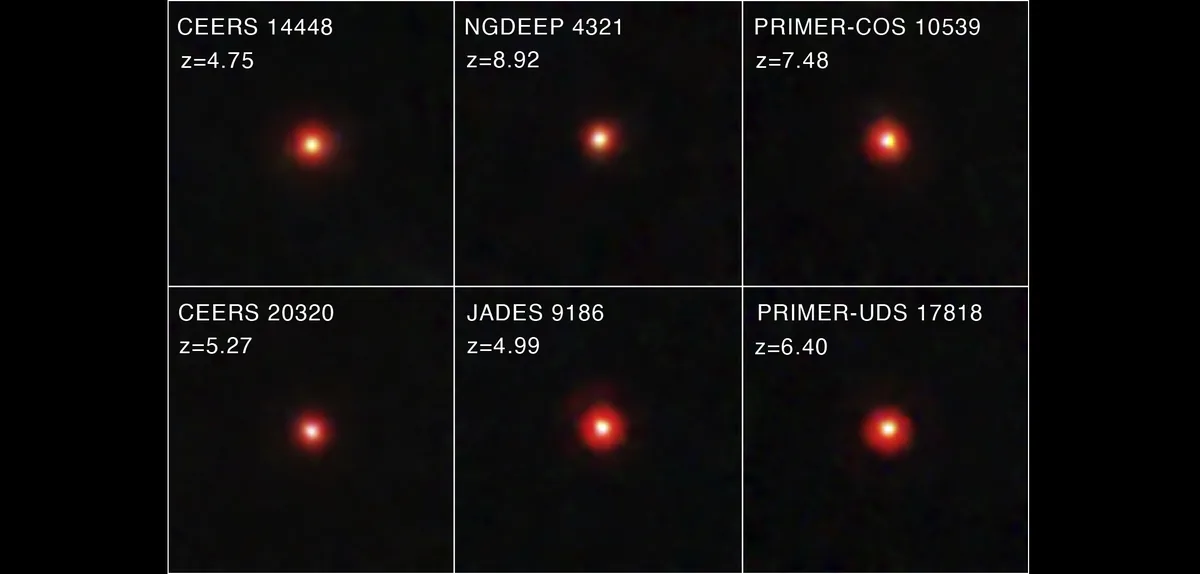
Recent astronomical observations conducted by powerful instruments, including the James Webb Space Telescope, have uncovered unexpectedly massive black holes residing in the early universe. Less than a billion years after the Big Bang, several of these cosmic giants had already attained masses equivalent to billions of times that of our Sun, challenging standard theoretical models regarding how rapidly supermassive black holes can form and evolve.
Pulsar Timing Arrays and Gravitational Waves
To place limits on the properties of these ancient giants, astronomers are utilizing pulsar timing arrays—networks of rapidly spinning neutron stars that act as ultra-precise cosmic clocks. As supermassive black hole binaries orbit one another, they emit low-frequency gravitational waves that induce subtle, measurable shifts in the arrival times of pulses. Analyzing these tiny timing deviations has enabled researchers to establish the first direct observational mass limits on early black hole pairs.
Cosmological Implications and Future Outlook
These initial mass constraints offer critical insights into the merger rates of early supermassive black hole binaries and the evolution of host galaxies in the young cosmos. By establishing upper bounds on binary masses, scientists can refine competing models of black hole 'seeds' and accretion mechanisms. Ongoing and future pulsar timing observations promise to further illuminate how these giant objects reshaped the structure of the early universe.
Comments
Loading comments...