Intensive Biomedical Work Aboard the Space Station
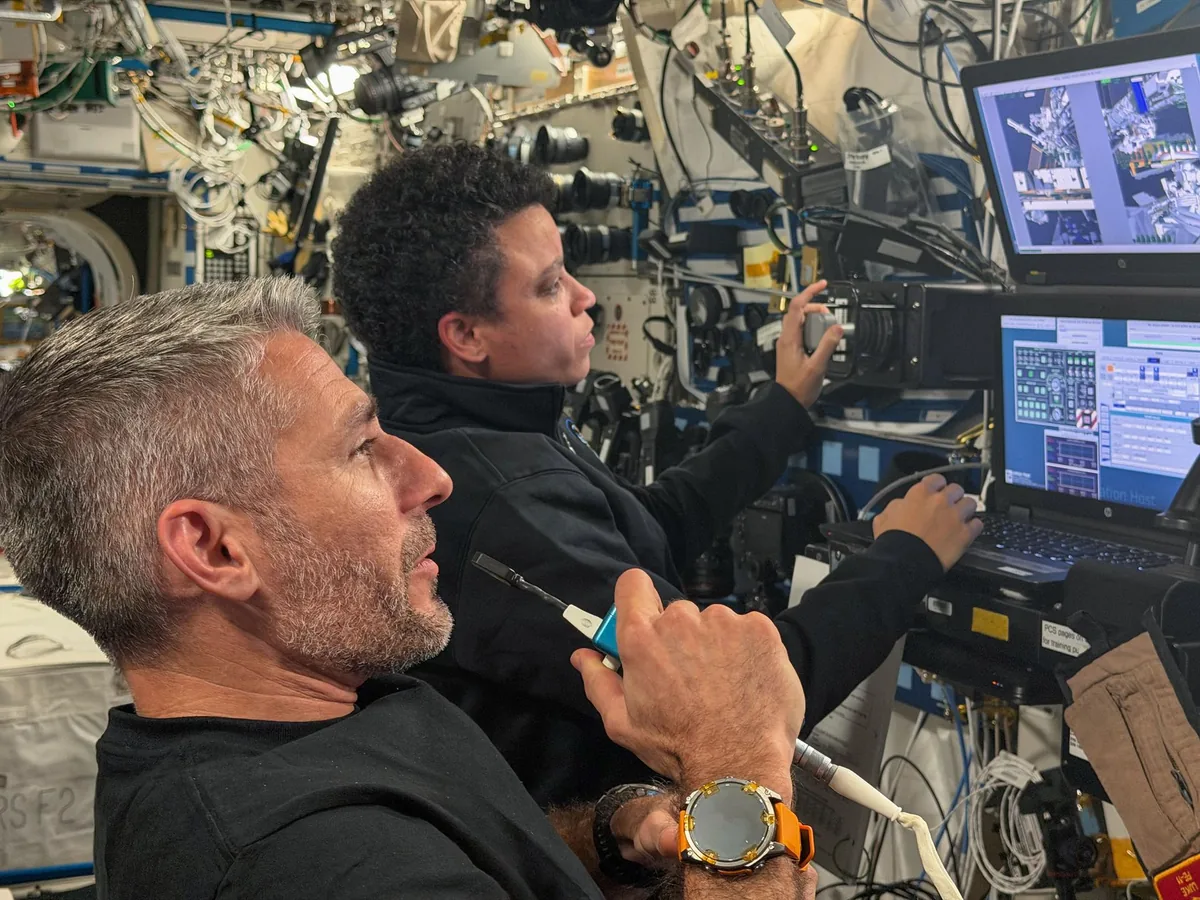
The Expedition 75 crew members aboard the International Space Station (ISS) initiated their week with a robust schedule of advanced biomedical research conducted in microgravity. Operating in Earth orbit, the orbiting laboratory serves as a unique platform to investigate how weightlessness alters biological systems and cellular processes. The astronauts followed a rigorous experimental agenda to gather high-value biological data.
DNA Sequencing and Stem Cell Production in Microgravity
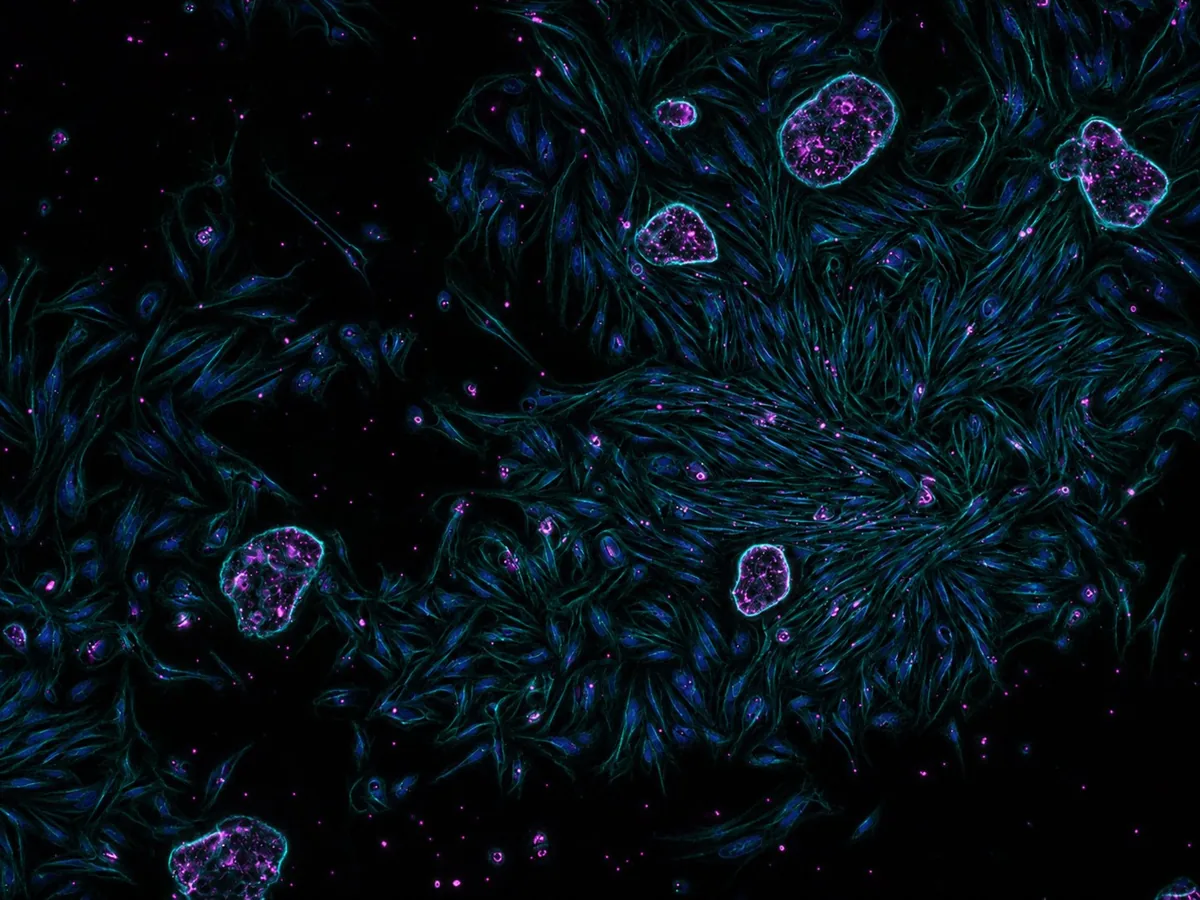
Key priorities during the research session included sequencing microbial DNA, culturing stem cells, and testing biological blood samples under microgravity conditions. These measurements allow scientists to observe precise cellular behavior and potential genetic variations away from Earth's gravity. Additionally, the crew conducted physical exercise studies in weightlessness, tested virtual reality systems, and photographed prominent terrestrial landmarks.
Implications for Space Medicine and Future Planetary Missions
The biomedical data gathered during these orbital experiments is vital for safeguarding human health during long-duration spaceflight. Advancements in microgravity stem cell production and in-situ DNA sequencing will directly inform medical protocols for upcoming lunar and Martian missions. Furthermore, ongoing crew fitness and psychological research using virtual reality help refine crew well-being strategies for deep space exploration.


Comments
Loading comments...