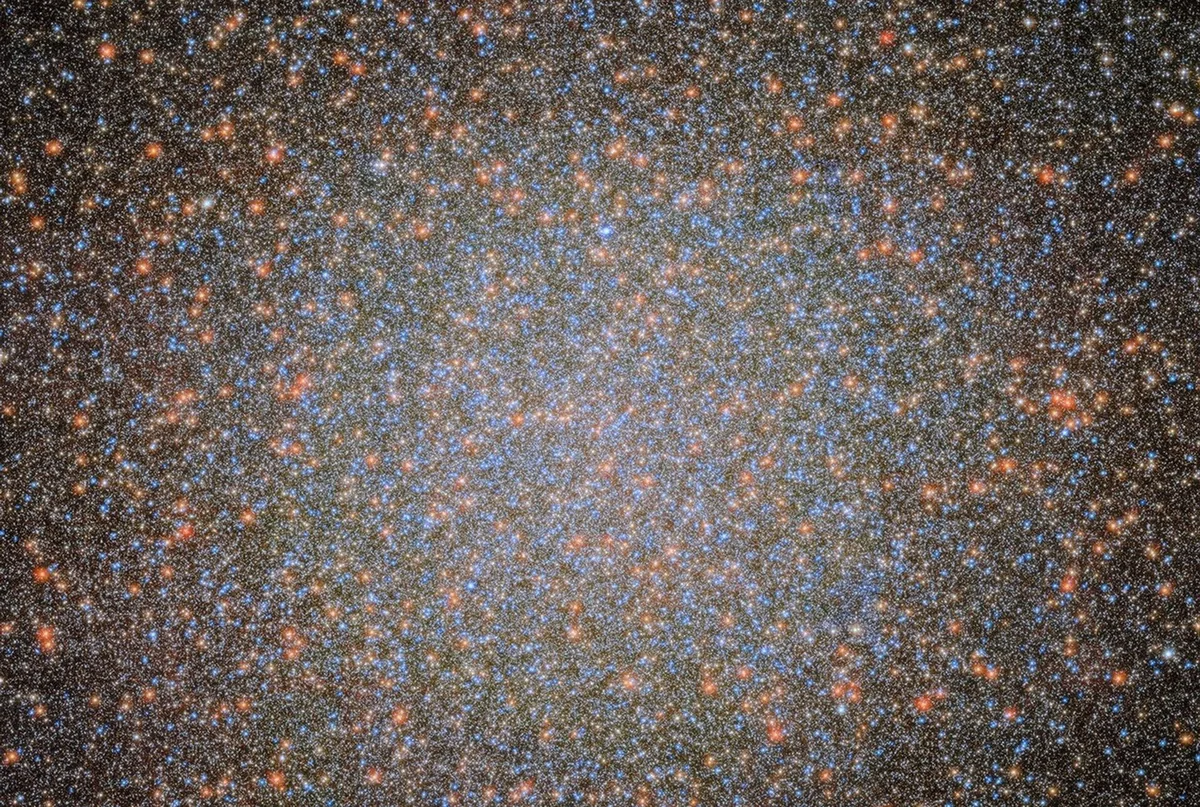
The Dynamics Behind Deceptively Stable Stars
From a naked-eye perspective, stars appear steady and predictable, doing little else besides shining. Low-mass stars, including our Sun, maintain a stable luminosity for billions of years, contrasting sharply with much rarer, massive stars that experience dramatic evolutionary phases.
Stellar Mass and Variations in Luminosity
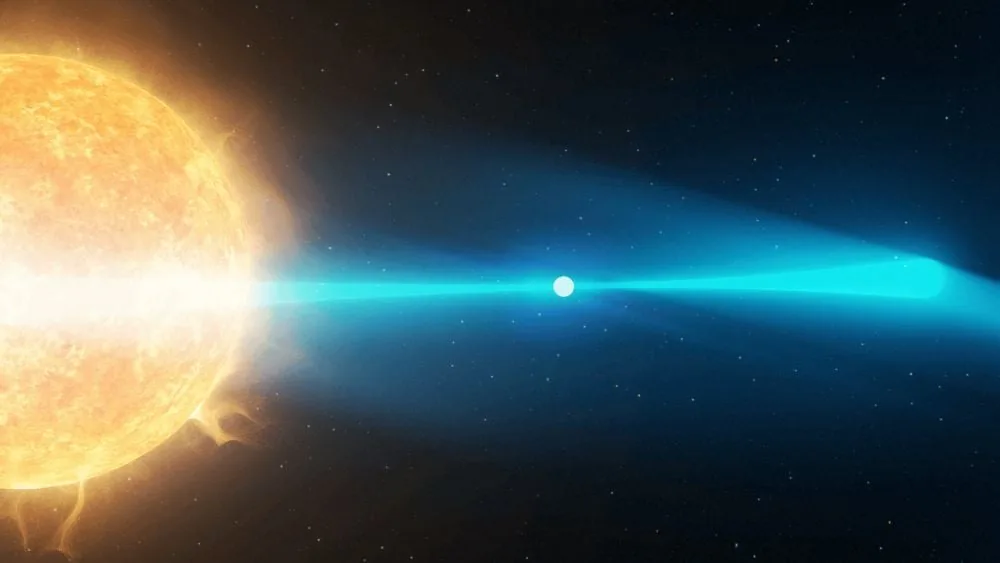
Stellar mass fundamentally governs the rate of nuclear fuel consumption and subsequent brightness variations. Stars harboring many times the mass of the Sun undergo violent structural transitions in their late stages, leading to sudden and significant decreases in apparent brightness.
Evolutionary Endpoints and Astrophysical Modeling
Uncovering the causes behind these sudden dips helps astrophysicists map the late-stage evolution of stellar cores and outer atmospheres. These findings refine models of stellar life cycles, offering insights into the distant future of solar-type and massive stars alike.
Comments
Loading comments...