Traces of Magma Beneath the Martian Surface
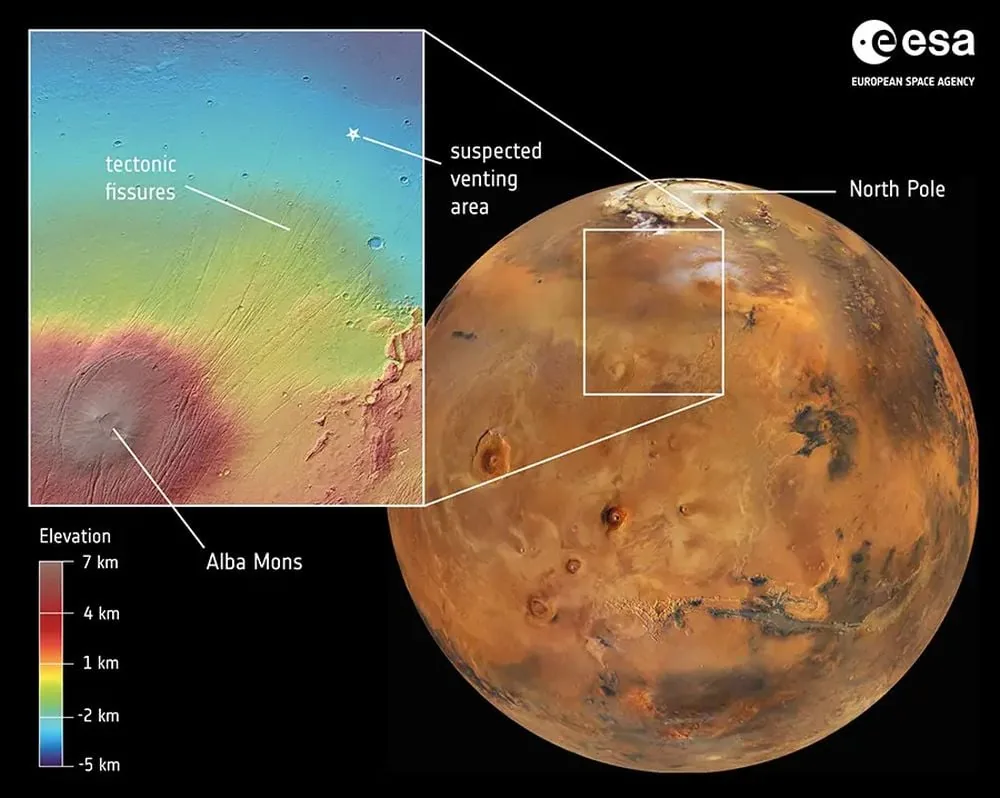
Although Mars's molten core is thought to be long gone, new research suggests that some underground magma chambers may still persist. Recent scientific investigations indicate that the Red Planet could be significantly more volcanically active than previously assumed.
Trace Gas Orbiter Measurements and HCl Detection
The Trace Gas Orbiter (TGO) spacecraft orbiting Mars detected hydrogen chloride (HCl) in the atmosphere. The specific time of year when this chemical was observed makes non-volcanic explanations extremely difficult. Furthermore, researchers identified new surface fissures on Mars that could serve as the source of this gas emission.
Implications for Martian Geological Models
The detection of HCl—a compound strongly associated with magma—alongside newly discovered surface fractures requires a reassessment of planetary interior models. These findings imply that Mars is not entirely geologically dead and may still host subsurface magmatic processes.
Comments
Loading comments...