Surprising Geological Signatures on the Red Planet
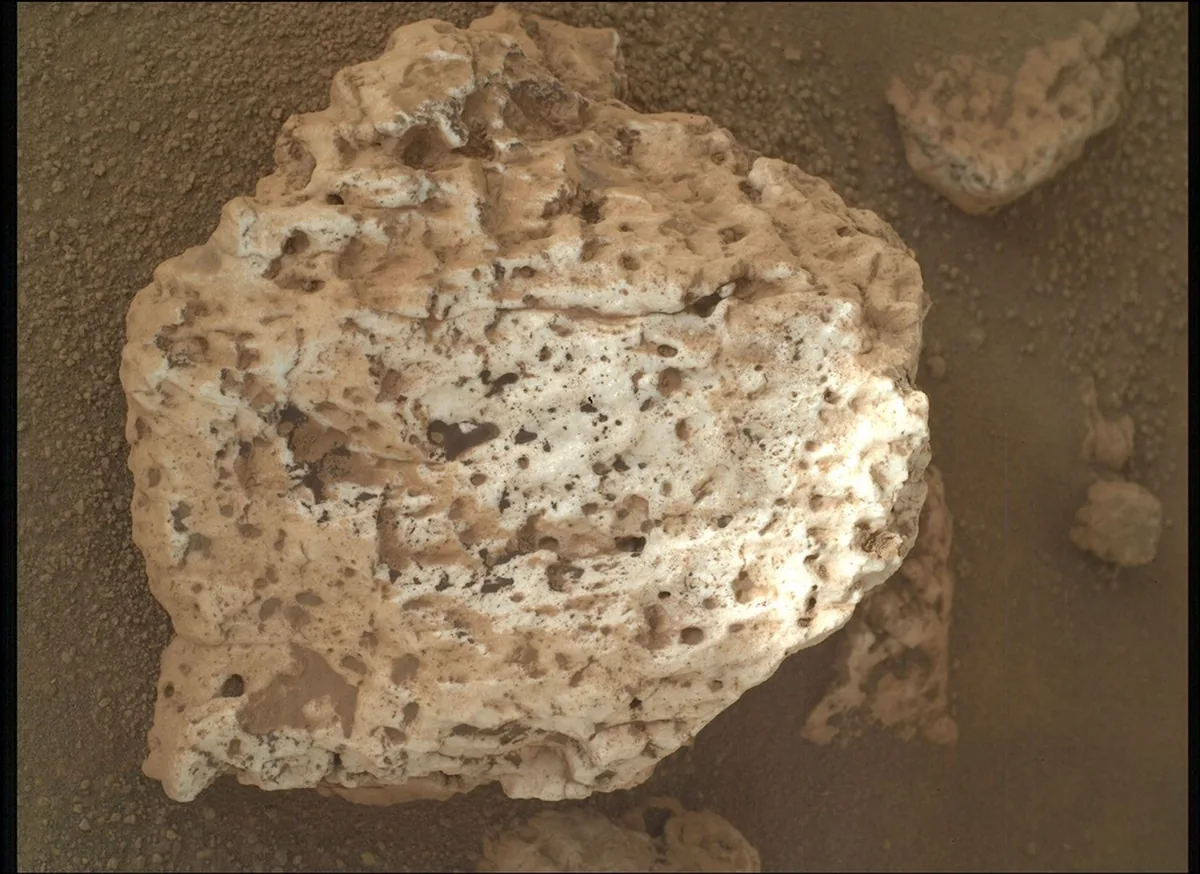
As NASA's Perseverance rover continues scrutinizing the ancient stratigraphic record of Jezero Crater, its observations continue to present planetary scientists with unexpected findings. SuperCam Principal Investigator Roger C. Wiens from Purdue University highlights that the petrological history preserved in Martian rocks reflects intricate evolutionary processes. Exploring Mars frequently yields unforeseen mineralogical variations, offering critical insights into the environmental dynamics that shaped the ancient planet billions of years ago.
High-Precision Science Payload: SuperCam and PIXL
Perseverance relies on a specialized suite of remote-sensing and contact instruments to decipher Martian geochemistry. Among these, SuperCam and the Planetary Instrument for X-ray Lithochemistry (PIXL) serve as pivotal analytical tools. SuperCam uses laser-induced breakdown spectroscopy and infrared analysis to identify elemental and mineral structures from a distance. Meanwhile, PIXL utilizes high-resolution X-ray fluorescence on the rover's robotic arm to map micro-scale chemical distributions. Together, these complementary sensors enable researchers to detect rare mineral features embedded in solid rock targets.
Implications for Ancient Martian Petrology
The potential detection of unusual crystalline minerals, such as corundum or related formations, suggests that Mars experienced periods of significant thermal, metamorphic, or hydrothermal activity in its early history. These compositional signatures help refine models of planetary volcanism and aqueous alteration, demonstrating how fluid-rock interactions took place within impact basins. Analyzing these datasets provides valuable context for future Mars Sample Return plans and enhances our understanding of the planet's habitability evolution.

Comments
Loading comments...