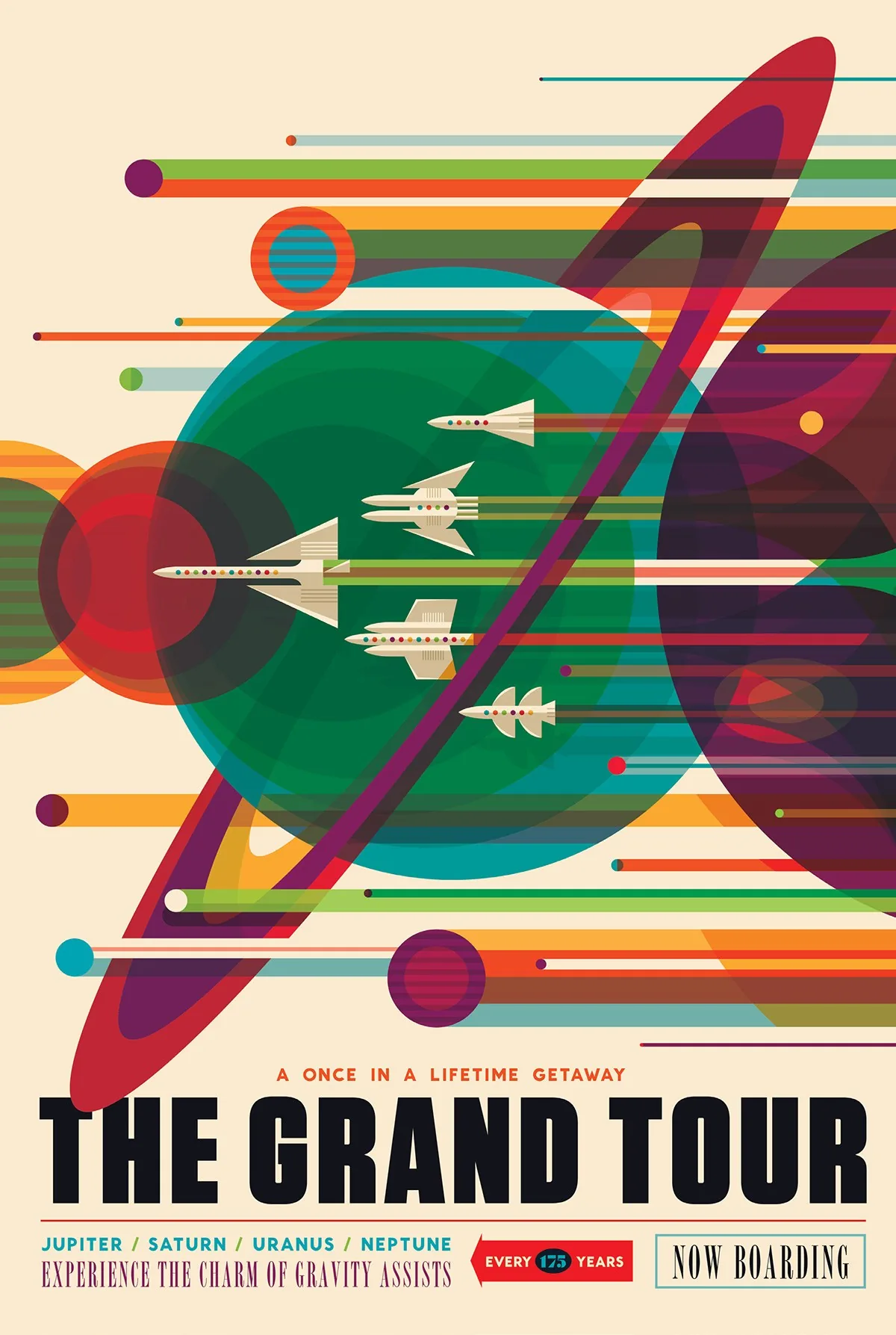
A Rare Planetary Alignment Occurring Once Every 175 Years
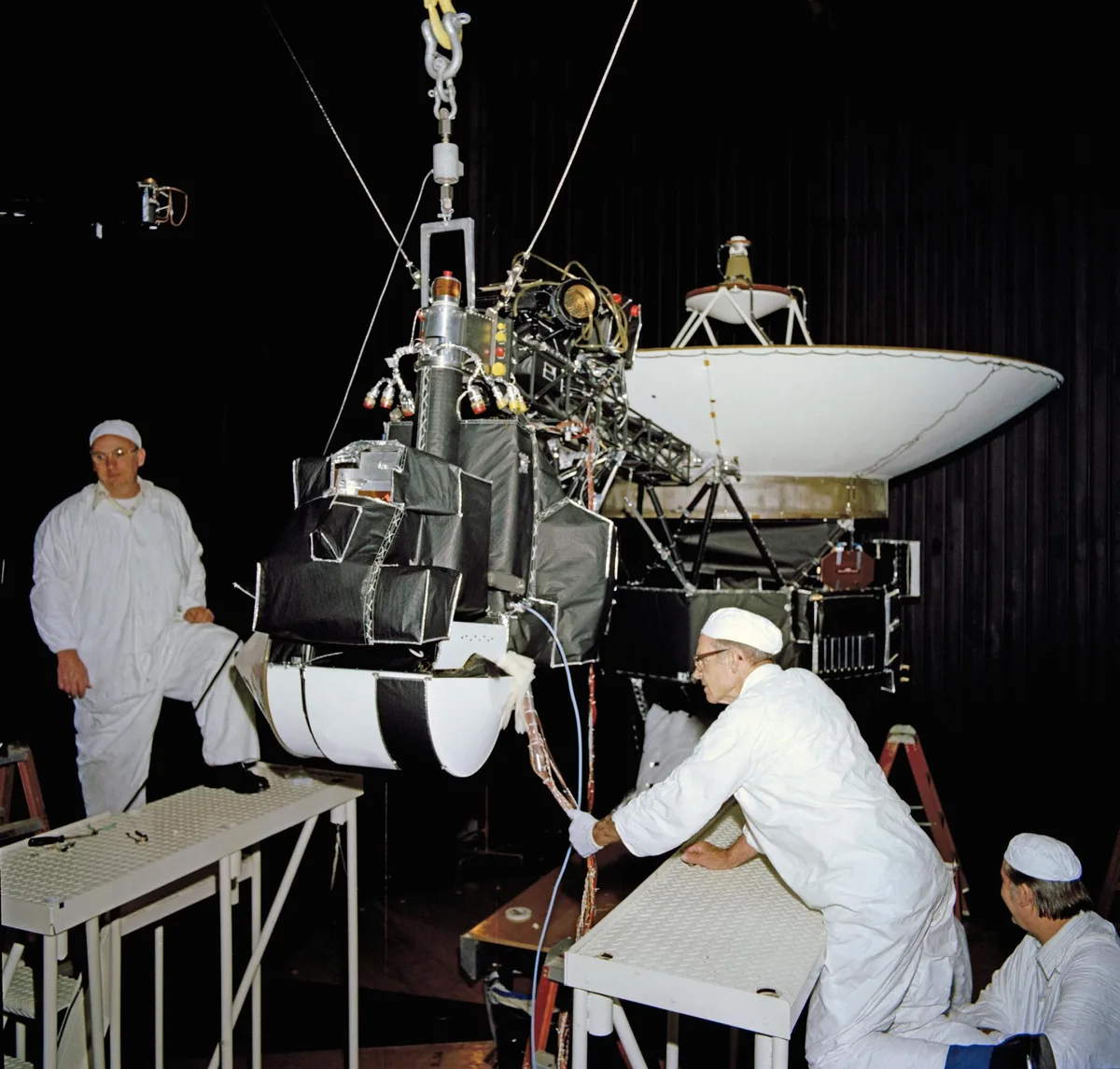
In 1977, NASA launched the twin spacecraft Voyager 1 and Voyager 2 to venture across the outer solar system. This historic endeavor was enabled by a remarkably rare celestial geometry: a planetary alignment of the four largest worlds—Jupiter, Saturn, Uranus, and Neptune—that occurs only once every 175 years. This unique orbital configuration created a navigable corridor allowing probes to swing from one planet to the next with minimal onboard propellant consumption.
Six Gravity Assists and the Execution of the Grand Tour
The mission's trajectory relied on a combined total of six gravity assists executed between the two spacecraft. By leveraging the gravitational fields of these massive bodies to gain momentum, the 'Grand Tour' delivered unprecedented close-up views of the gas giants Jupiter and Saturn, as well as the ice giants Uranus and Neptune. These flybys captured detailed observations of the planets' dynamic atmospheres and several of their enigmatic natural satellites.
Legacy and Lasting Impact on Planetary Science
The close-up observations returned by Voyager 1 and 2 transformed our fundamental understanding of the outer solar system. By providing the first detailed look at the complex moons and weather systems of the four giant worlds, the mission reshaped comparative planetology. Launched decades ago, the twin probes laid the groundwork for modern deep-space navigation and remain a benchmark for multi-planet robotic exploration.


Comments
Loading comments...