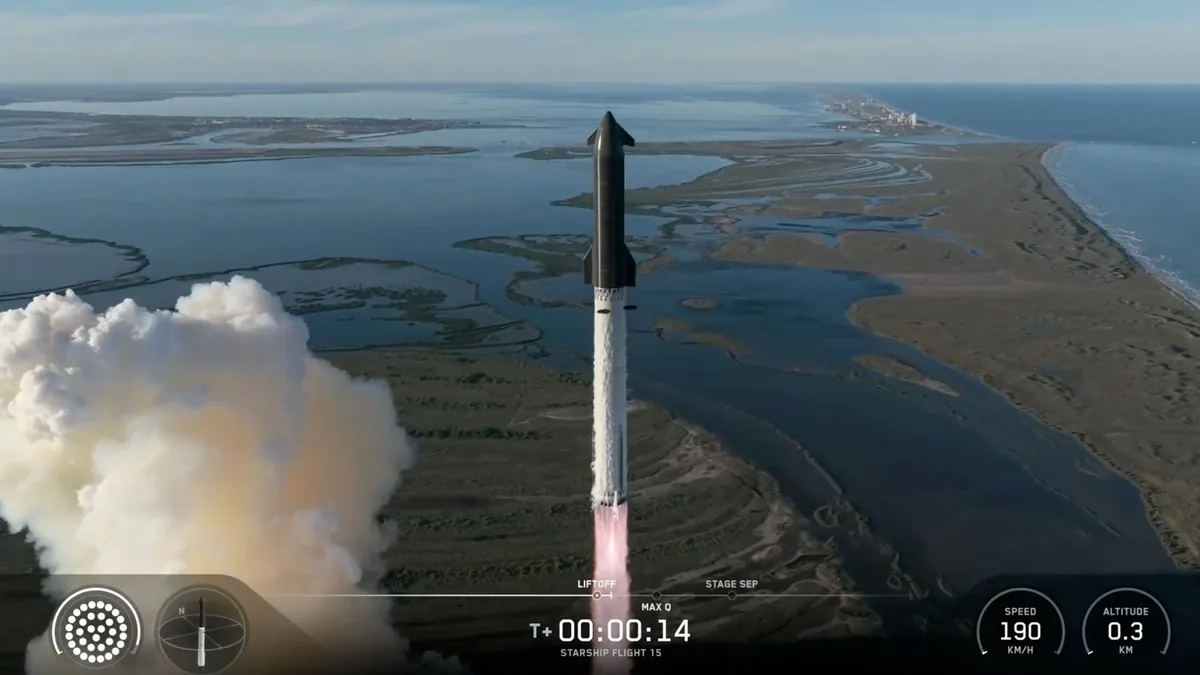
Starship Reaches Orbit on Flight 15
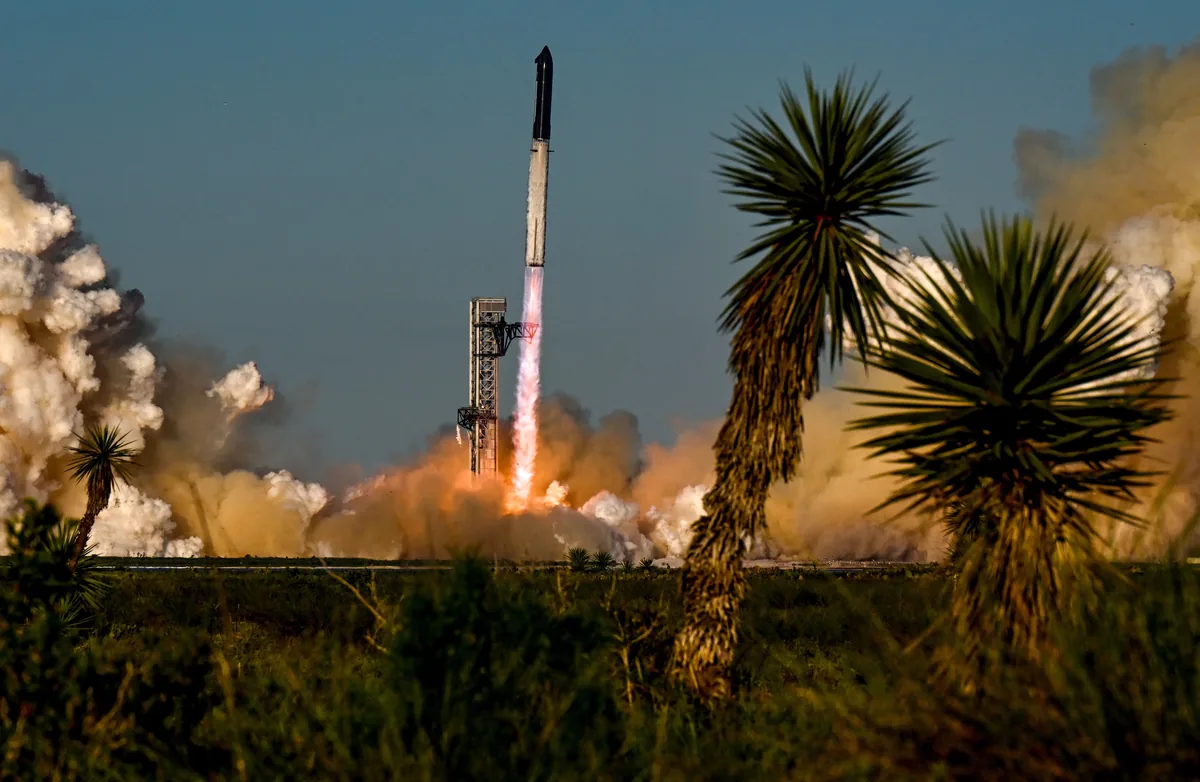
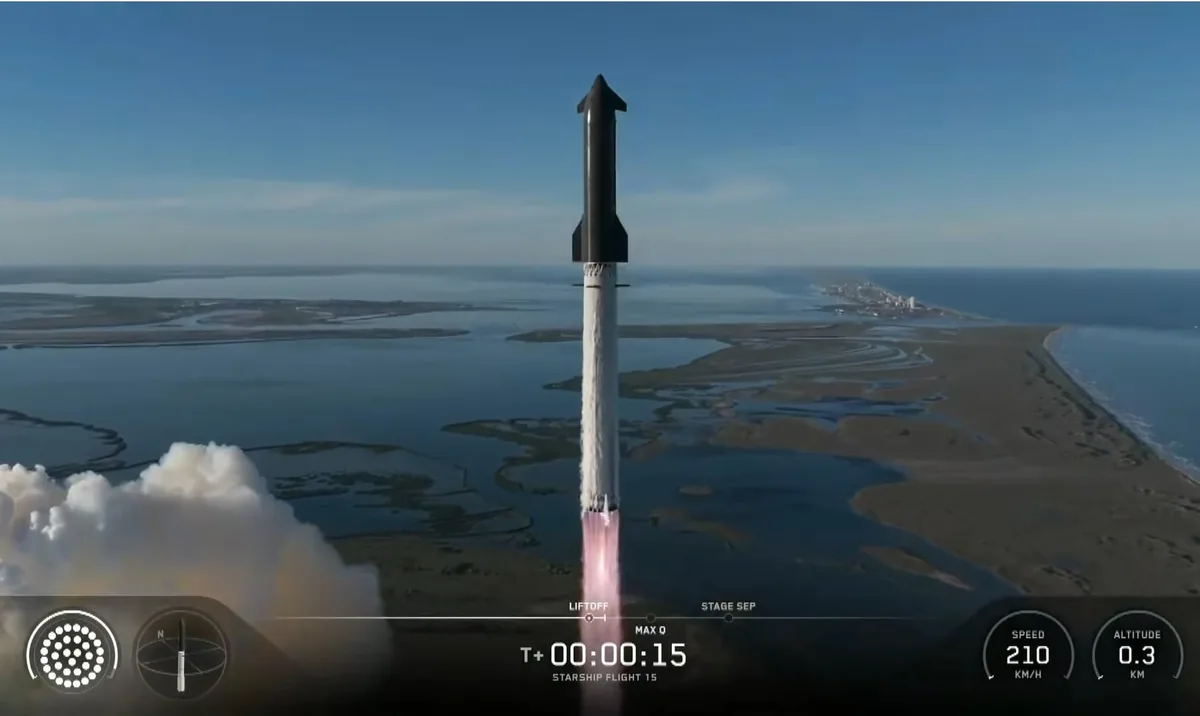
Space exploration company SpaceX launched its Starship megarocket on November 13 for its 15th test flight. Designed as an ambitious 22-hour mission test, the vehicle successfully powered through the initial ascent and reached orbital altitude, marking another major milestone in its operational development.
The orbital insertion phase provided engineers with valuable operational insight into upper-stage orbital performance and vehicle control systems under real spaceflight conditions.
Booster Tower Catch Aborted
One of the primary objectives planned for this mission was attempting to catch the massive Super Heavy booster back at the launch mount using the launch tower's mechanical arms. However, mission controllers made the decision to abort the catch attempt at the launch site.
The decision to wave off the booster catch reflects strict flight safety criteria designed to safeguard ground infrastructure, diverting the returning stage away from the launch pad structures.
Significance for Future Deep-Space Missions
Achieving orbit demonstrates continued maturity for the world's most powerful rocket system, which forms the technological backbone for future lunar and planetary missions. The telemetry gathered during this 15th test flight provides essential flight data for structural and aerodynamic analysis.
SpaceX will use findings from this flight to refine landing guidance systems, booster retrieval mechanics, and rapid-turnaround operational protocols for upcoming tests.

Comments
Loading comments...