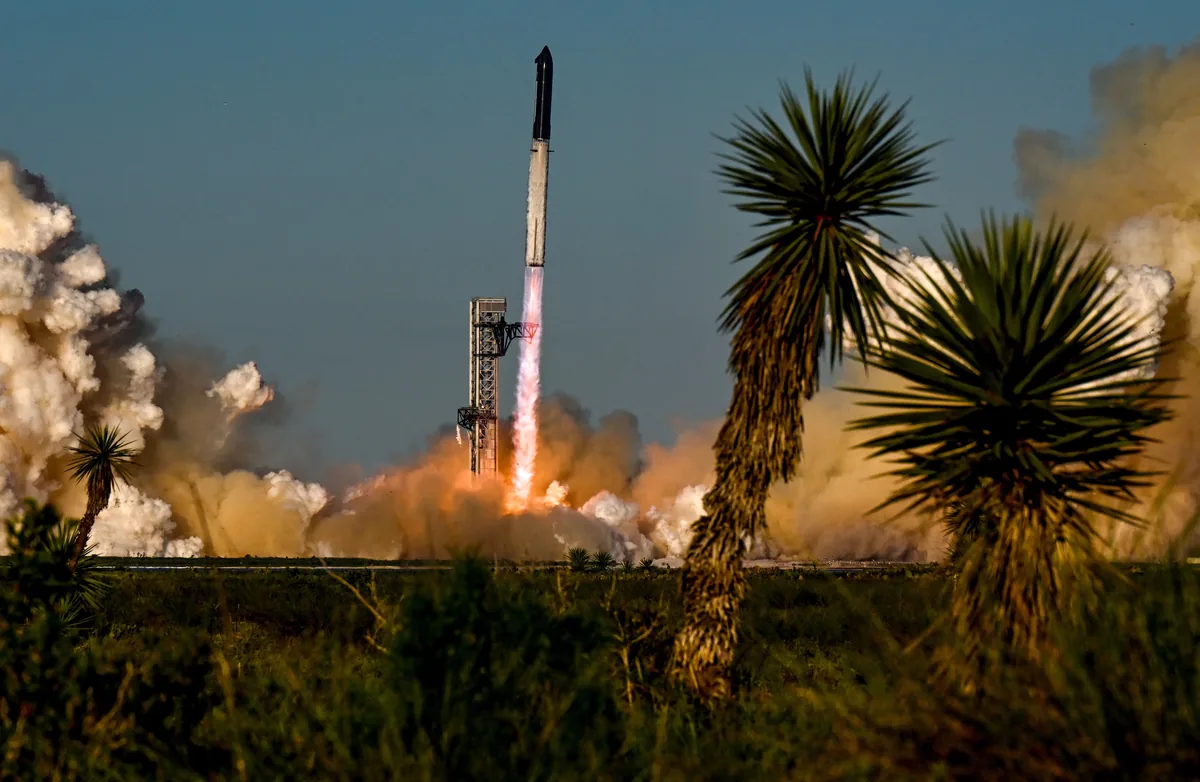
A Critical Milestone for Lunar Missions
NASA and SpaceX have initiated the 15th and most critical test flight of the Starship rocket system, a crucial component for future human lunar exploration. Launched from Texas, this flight represents a major step forward in Elon Musk's vision of developing a fully reusable rocket system. Sitting at the heart of NASA's plans to land humans back on the Moon by 2028, this massive spacecraft aims to reach orbit and return to its starting point for the first time.
Flight Operations and Recovery Mechanics
While the lower booster stage of the rocket exploded during its return sequence, the primary test goals for the upper stage remain active. The uncrewed upper stage, having reached orbit, is expected to remain in space for approximately one day. Following this period, the spacecraft will re-enter the Earth's atmosphere and perform a controlled landing maneuver using its engines. According to the mission architecture, Starship will return to the launch tower, where it is designed to be caught by massive mechanical arms mounted on the tower.
Scientific Impact and Future Lunar Objectives
This test flight serves as an essential validation step for SpaceX's strategy of total vehicle reusability aimed at lowering space transportation costs. Successfully returning from orbit and being captured at the launch site will demonstrate the maturity of technologies required for upcoming deep space missions. The success of the joint NASA and SpaceX objective to return humans to the Moon by 2028 relies heavily on validating Starship's operational capabilities through these rigorous flight tests.




Comments
Loading comments...