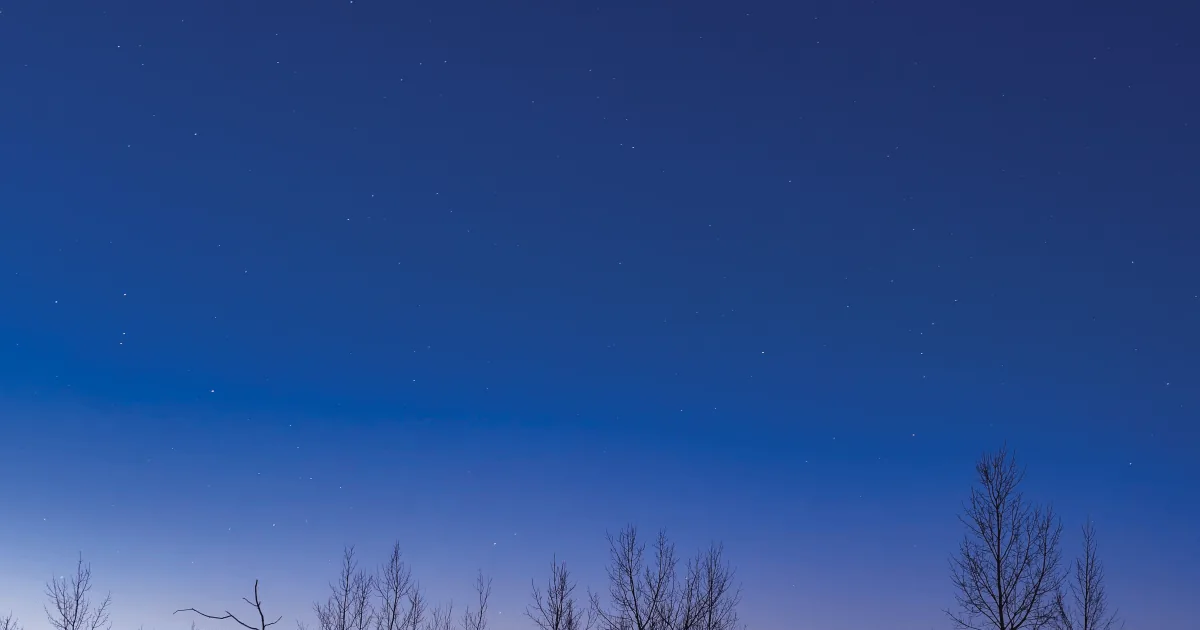
Saturn and Outer Ice Giants in Evening Twilight
The night sky of November 2026 opens with an exquisite planetary spectacle right after dusk. As darkness descends, Saturn emerges as a prime evening target, featuring intriguing and challenging transits of its moons that will test the resolving power of amateur telescopes throughout the month. Nearby, Neptune can be located as a faint bluish pinpoint using binoculars.
Meanwhile, the ice giant Uranus resides comfortably in the constellation Taurus, serving as an easily accessible target for binoculars and small telescopes under reasonably dark skies, completing a rewarding evening lineup of the solar system's outer realm.
The Full Moon Crosses the Pleiades
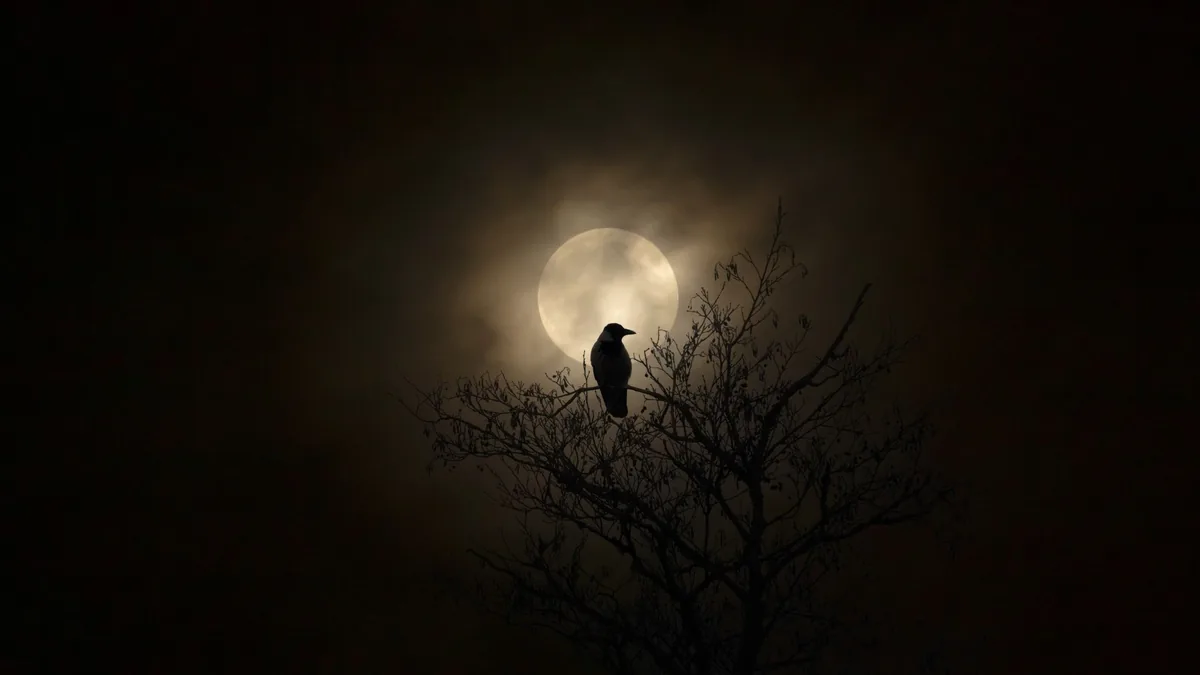
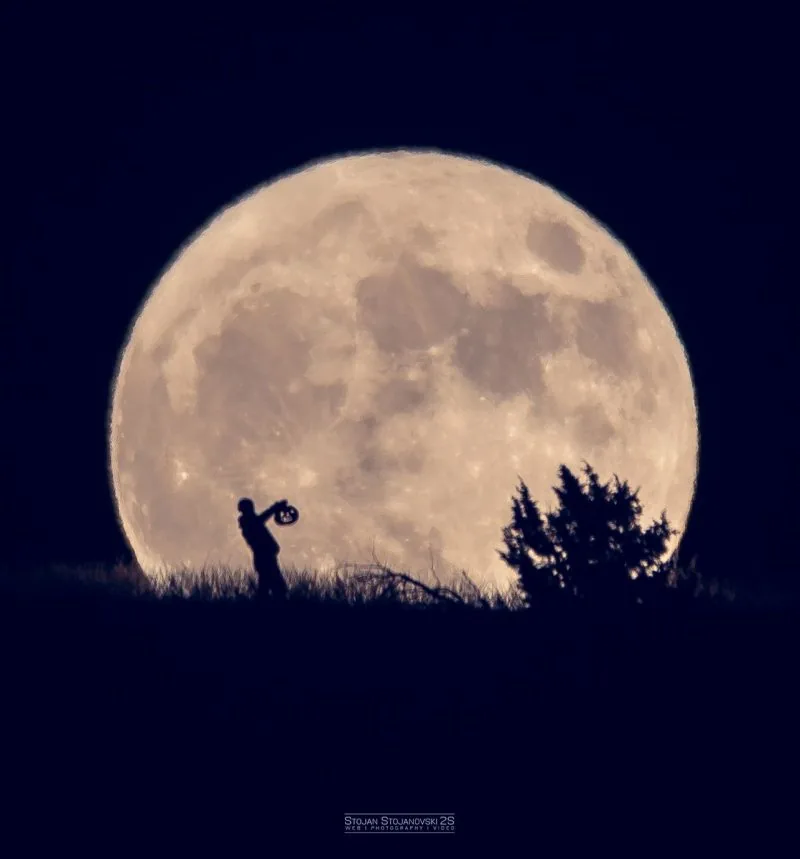
Late November brings a dramatic celestial encounter across the autumn constellation Taurus. The Full Moon charts a course directly in front of the iconic Pleiades star cluster, offering a magnificent sight for observers equipped with binoculars or wide-field telescopes.
Despite the glare of lunar brilliance, tracking the Moon as it glides past and occults the sparkling cluster members provides an engaging observational challenge and a stunning setup for astrophotographers worldwide.
Mars and Jupiter Rule the Pre-Dawn Hours
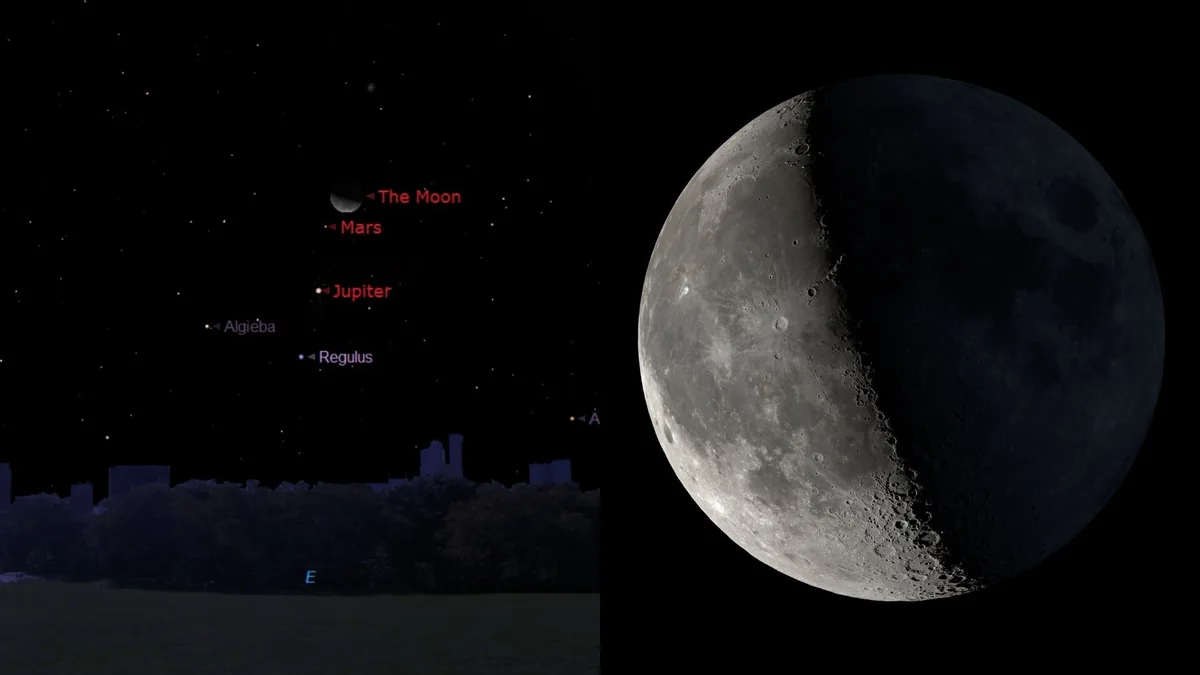
As the night wears on toward dawn, attention shifts entirely to the eastern and southern sky where Mars and Jupiter take center stage. Dominating the pre-dawn hours with their unmistakable luster, these two planets offer optimal viewing in the crisp morning twilight.
Reaching high elevations before sunrise, they provide fantastic opportunities for both naked-eye tracking and high-magnification planetary imaging, marking November as an exceptionally versatile month for observational astronomy.

Comments
Loading comments...