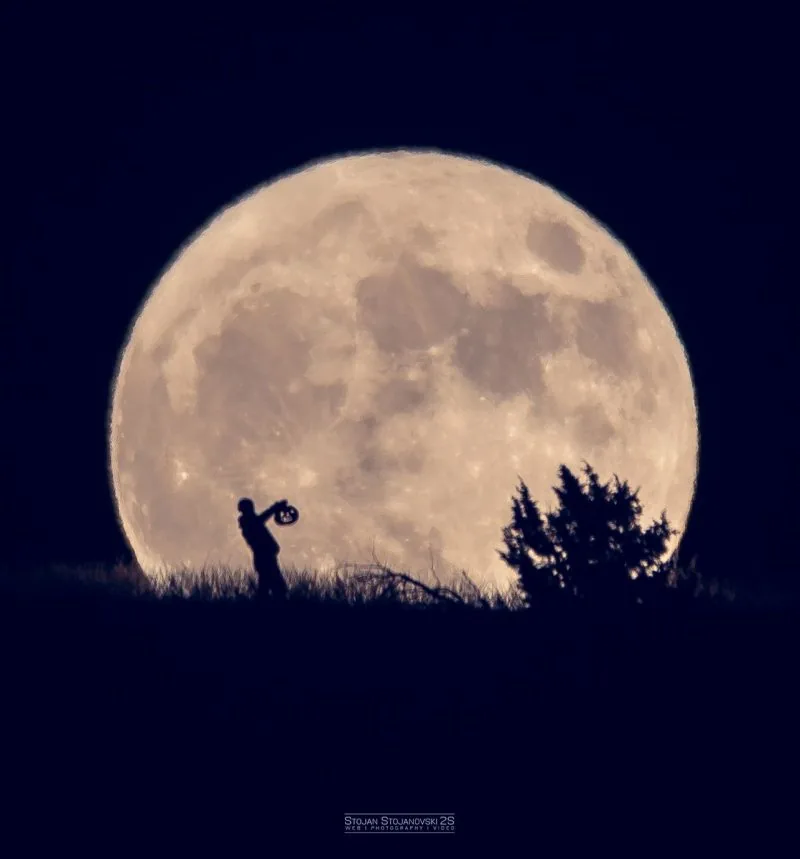
Calendars and Astronomical Milestones
Widely known through popular culture, Halloween is fundamentally a calendar date rooted in long-standing astronomical traditions. In astronomy, dates referred to as 'cross-quarter days' mark the midpoints falling precisely between an equinox and a solstice.
Serving as indicators of seasonal shifts and critical orbital points of Earth, these cross-quarter days formed key building blocks of ancient calendrical systems created through sky observations.
The Year's Fourth Cross-Quarter Day
Halloween stands out as the fourth and final cross-quarter day occurring throughout the year. Positioned delicately between the autumn equinox and the winter solstice, this midpoint symbolizes changing conditions in nature and the sky.
Ancient cultures placed great emphasis on these intermediate milestones when observing the Sun's path to track seasonal shifts and agricultural cycles. Halloween remains a cultural reflection of this astronomical milestone reaching into modern times.
Sky Observations and Cultural Heritage
From an astronomical perspective, cross-quarter days offer a unique opportunity to understand Earth's journey around the Sun and seasonal cycles. The direct connection between Halloween and sky movements underlines the profound impact of celestial observations on human history.
Although celebrated differently today, this occasion continues to serve as a tangible reminder of the rhythmic movements in the universe and our planet's geometric relationship with the Sun.
Comments
Loading comments...