Saturn's Glow and the Summer Triangle
The period between late October and early November provides rich observational opportunities for night sky enthusiasts. During this time, Saturn stands out as one of the most prominent celestial targets, attracting attention with its steady glow.
Alongside the ringed planet Saturn, the 'Summer Triangle' pattern continues to maintain its prominence in the night sky. Formed by bright stars, this landmark asterism serves as an accessible guide for observers throughout the night.
Early Dawn Planetary Conjunctions
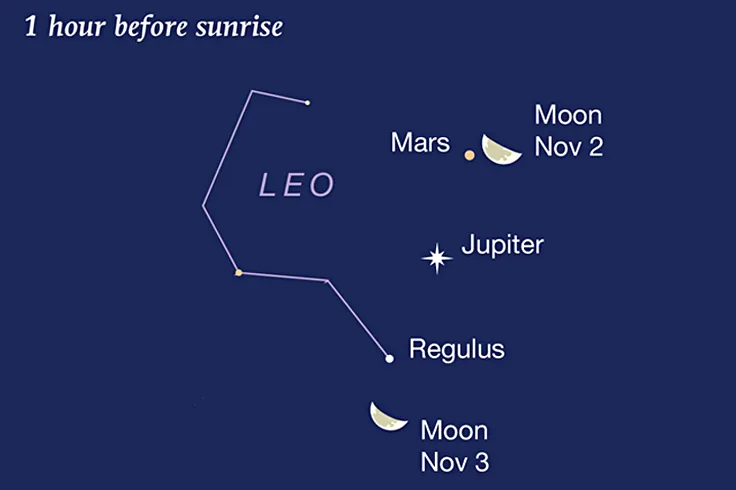
After midnight and into the early morning hours, the sky features a sequence of planetary interactions. The last-quarter Moon makes close approaches to major celestial bodies during the early dawn hours.
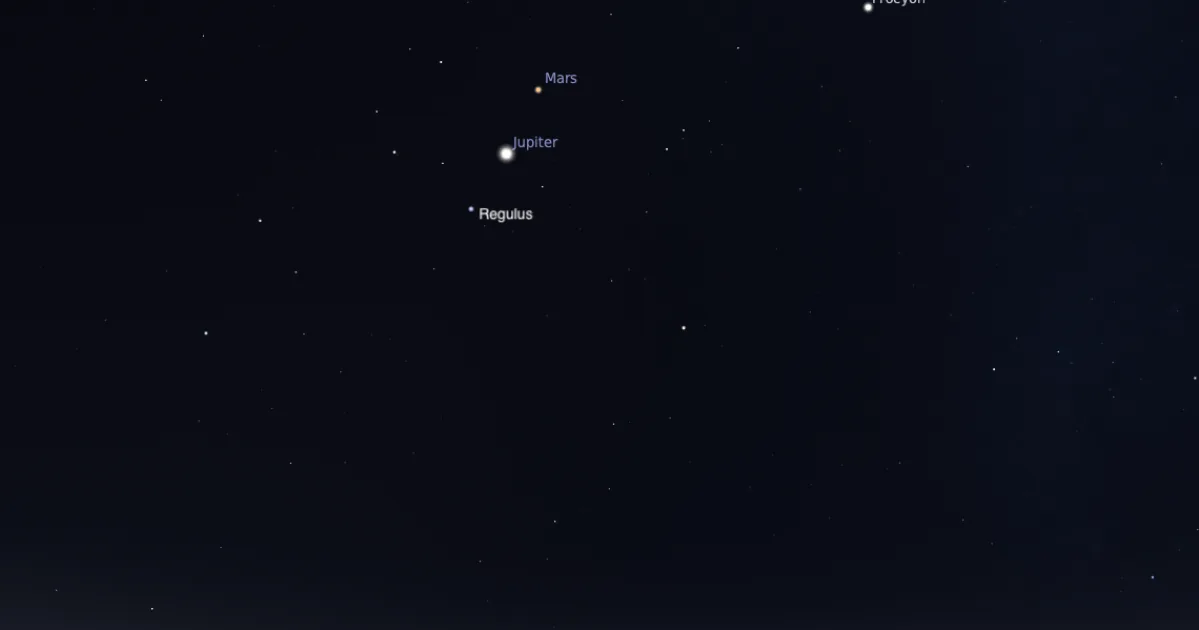
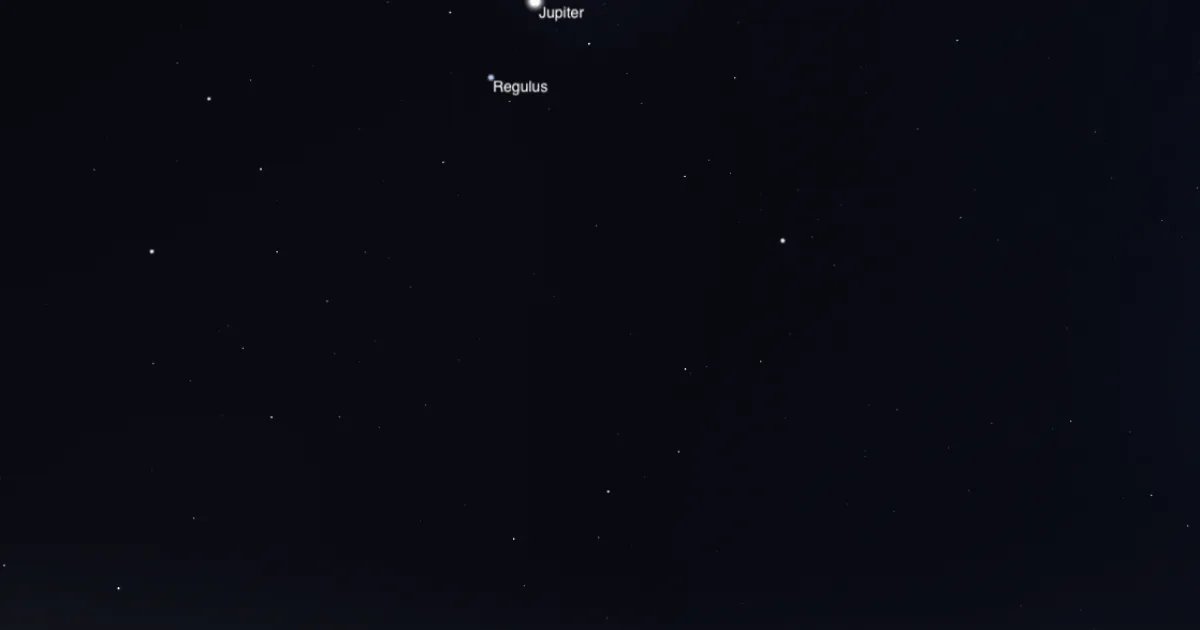
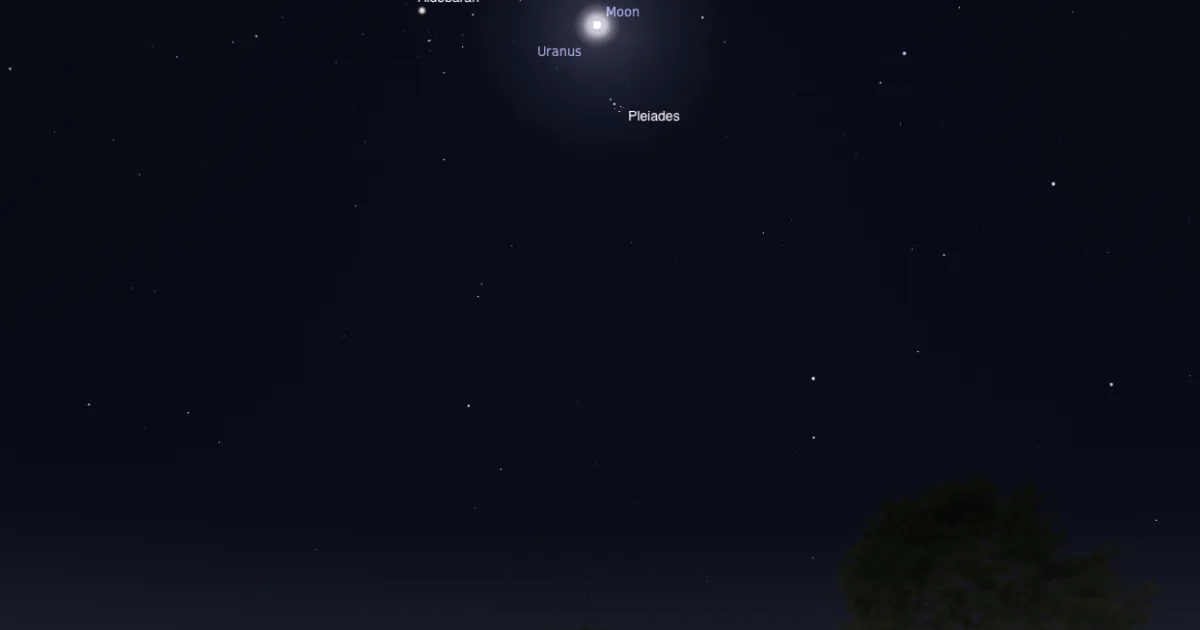
In this period, the Moon passes successively near the red planet Mars, the giant planet Jupiter, and Regulus, the brightest star in the constellation Leo. Meanwhile, the Taurid meteor shower accompanies these passes with light streaks across the sky.
Skywatcher's Viewing Guide
Occurring between October 30 and November 8, these astronomical events offer engaging visual sights under clear sky conditions. The alignment formed by the Moon alongside Mars, Jupiter, and Regulus before dawn is particularly noteworthy.
This dynamic movement of planets and constellations turns autumn nights into an insightful observing period for both amateur skywatchers and astronomy enthusiasts alike.
Comments
Loading comments...