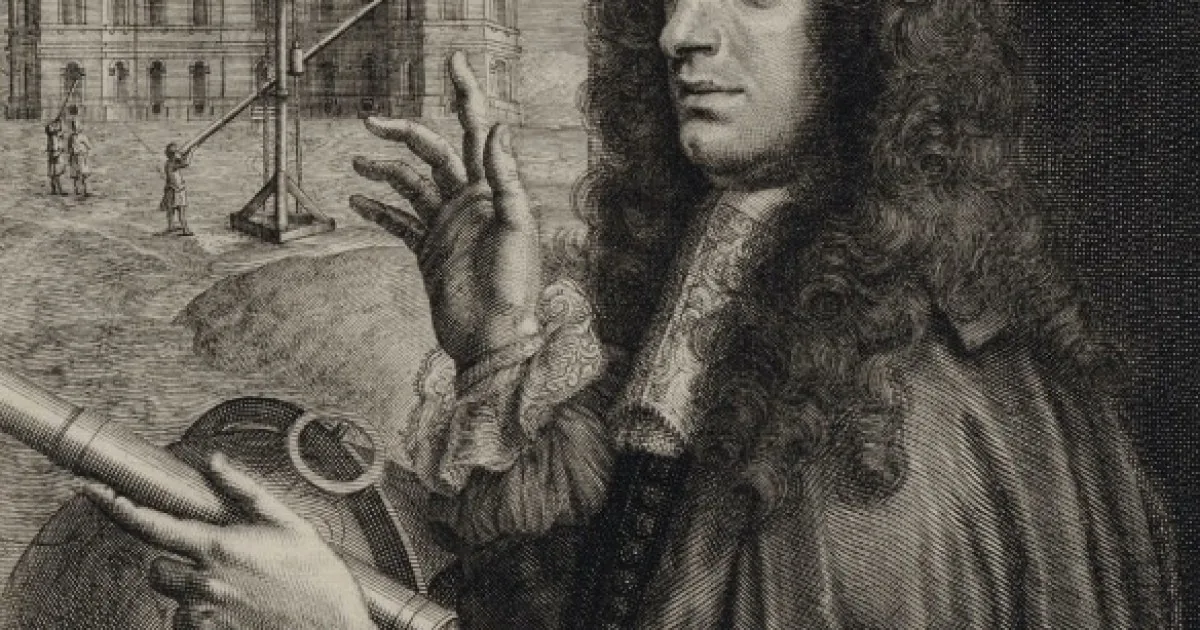
Paris Observatory and Cassini's Appointment
In 1669, French-Italian astronomer Giovanni Cassini arrived at the still-under-construction Paris Observatory as its new director. Taking charge of the institution, Cassini quickly convinced King Louis XIV's minister of finance to purchase a custom 34-foot Campani refractor telescope for the observatory.
Observations with the 34-Foot Refractor
Using the newly acquired 34-foot Campani refractor at the observatory, Giovanni Cassini began examining the Saturnian system on the night of Oct. 25, 1671. Through precise observations, Cassini successfully detected a new celestial body orbiting the gas giant: the moon Iapetus.
A New Era in Saturnian Studies
Iapetus became the second saturnian moon ever discovered, following Christiaan Huygens' discovery of Titan in 1655. Cassini's discovery on Oct. 25, 1671, demonstrated the immense capability of the Paris Observatory and early refracting telescope technology.


Comments
Loading comments...