astronews
Settings My profile TR

Space.comImportance

1st-ever detection of a dying star's 'final nuclear heartbeat' challenges what we know about our sun's eventual death

1st-ever detection of a dying star's 'final nuclear heartbeat' challenges what we know about our sun's eventual death
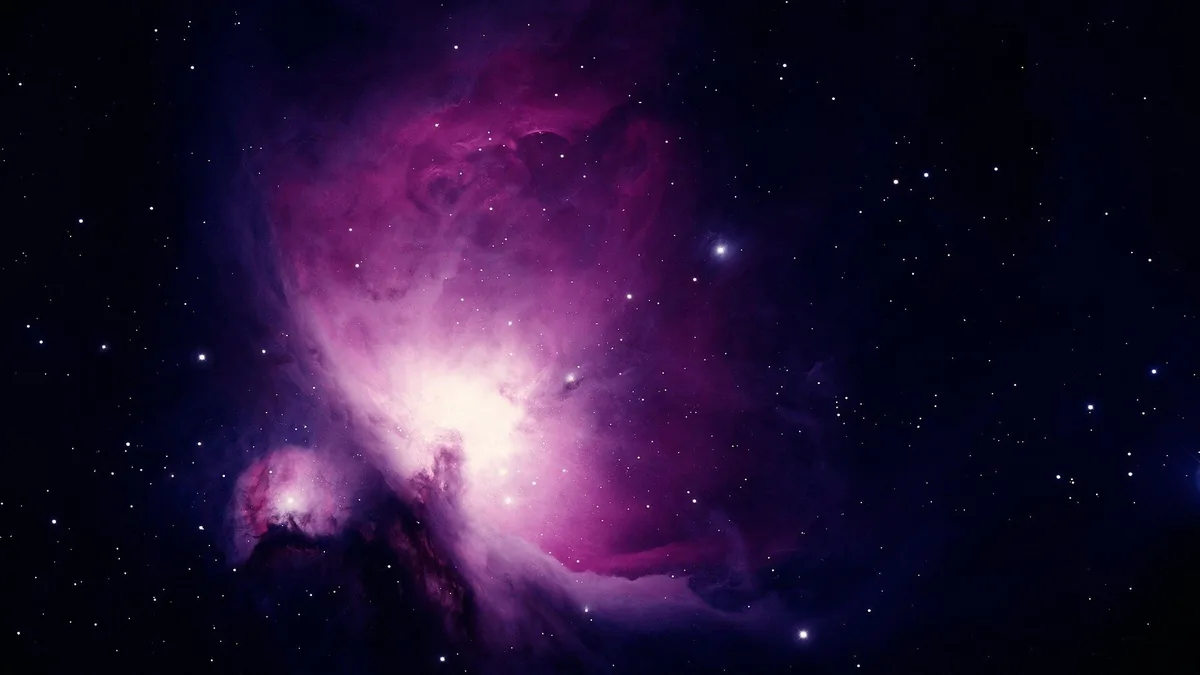
Image: Space.com

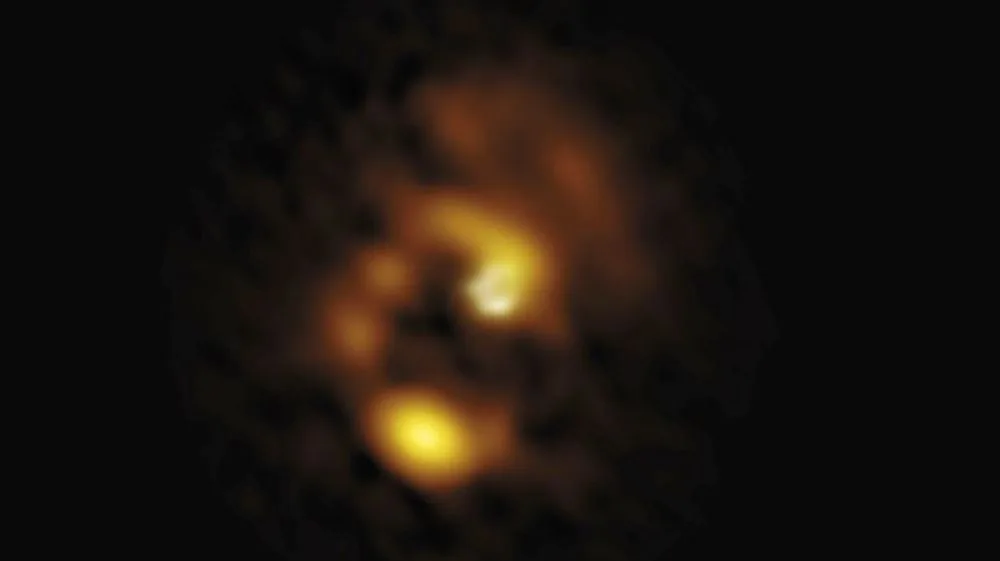
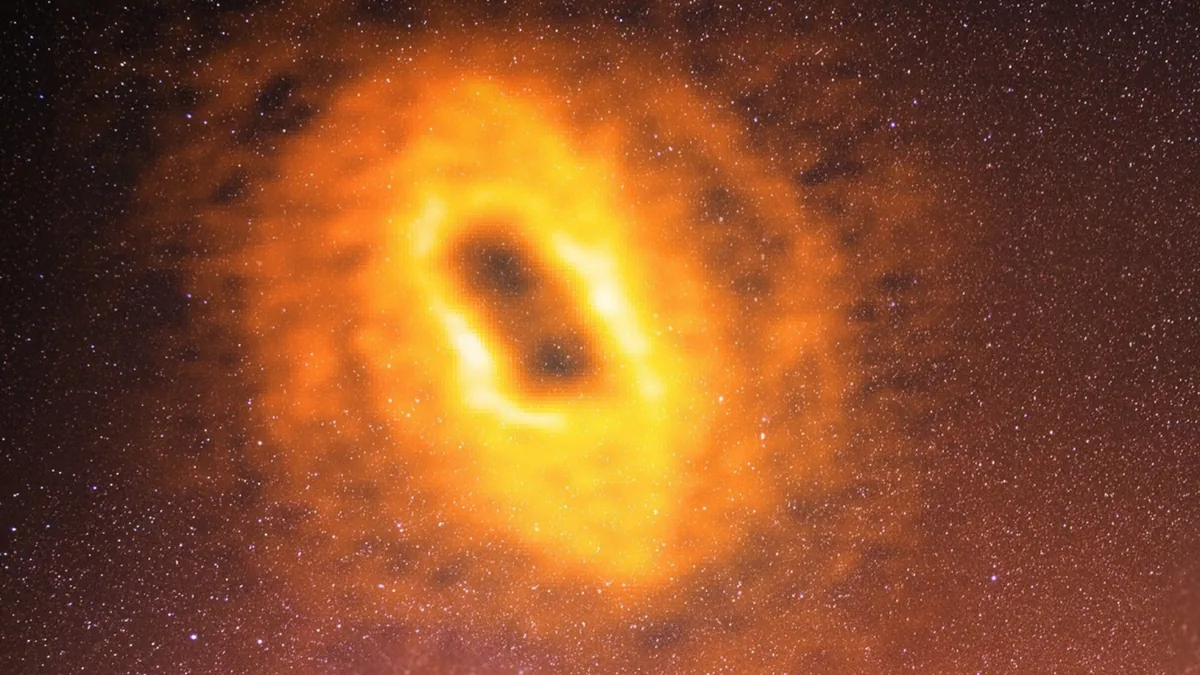
Astronomers have detected a rare transitional phase at the end of a star's life for the first time, capturing a fossilized remnant that could change our picture of the sun's final days.

A Rare Transitional Phase in Stellar Evolution

Astronomers have successfully detected a rare transitional phase at the very end of a star's life cycle. Captured as a fossilized remnant of stellar death throes, this observation marks a major breakthrough in stellar astrophysics.

Nuclear Processes and Observational Data

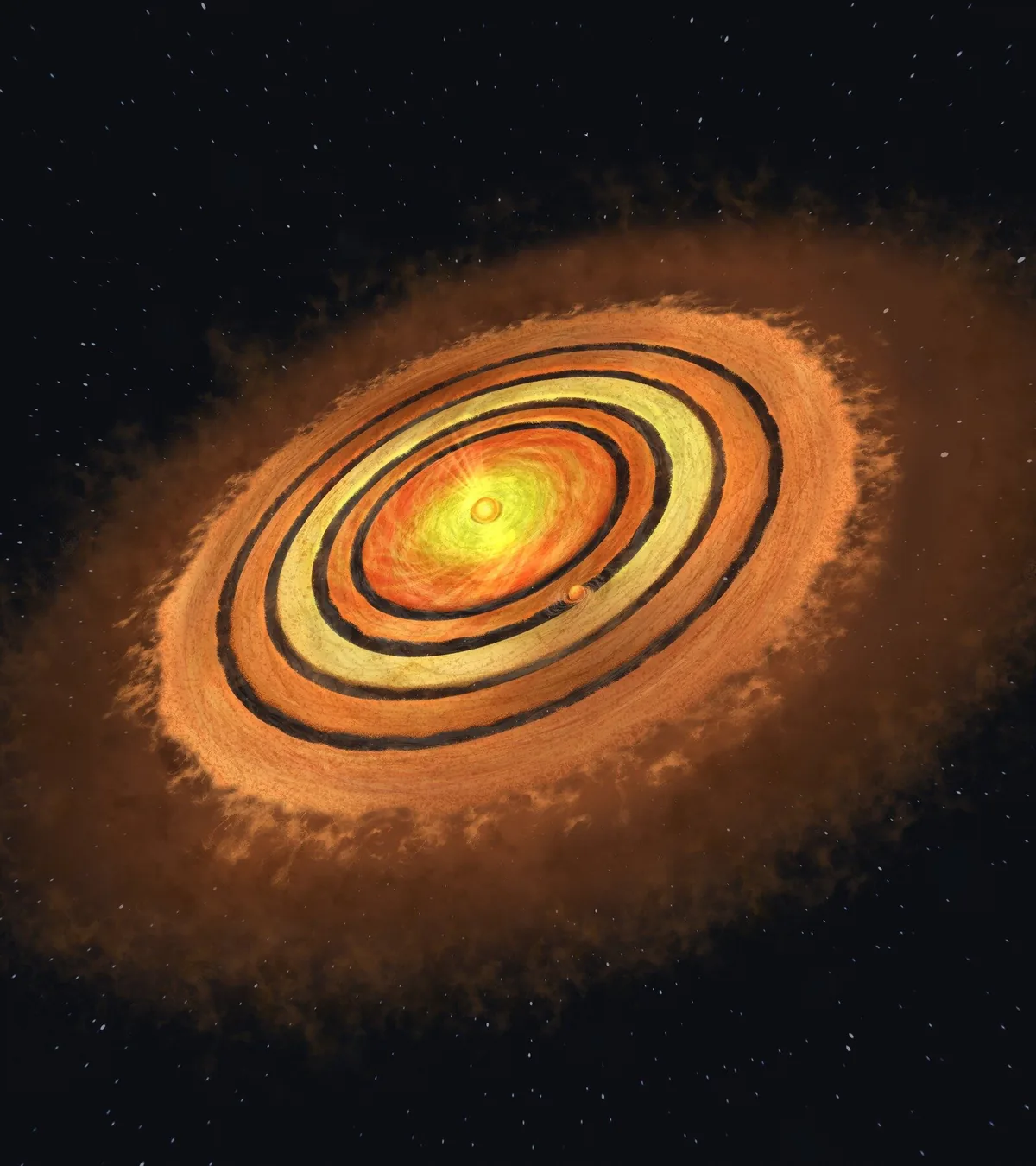
This 'final nuclear heartbeat' exhibited by the dying star provides unique technical data regarding the exact moments nuclear fusion ceases in a stellar core. The observed structure details the evolutionary steps a star undergoes as it sheds its outer layers.

Scientific Implications for the Sun's Future

This discovery forces a reassessment of current models depicting the eventual demise of our own Sun billions of years from now. The findings have the potential to reshape theoretical calculations concerning the final stages of medium-mass stars.
Read at source
Comment

Something wrong with this story? Report it

Comments

Loading comments...

Choose your city

Sunrise, sunset and the sky chart follow the city you choose.

Pages

NewsFeedSkyObservatorySpacecraftGalleryAcademicAssistantThe weekArchiveAboutMy profileSettings

Topics

Solar SystemMarsMoonSunExoplanetsStarsGalaxiesBlack holesCosmologyComets & asteroidsTelescopesMissionsSky eventsSearch for lifeTürkiye

Legal

Terms of UsePrivacy PolicyKVKK NoticeCookie PolicyPrivacy PreferencesFeedback