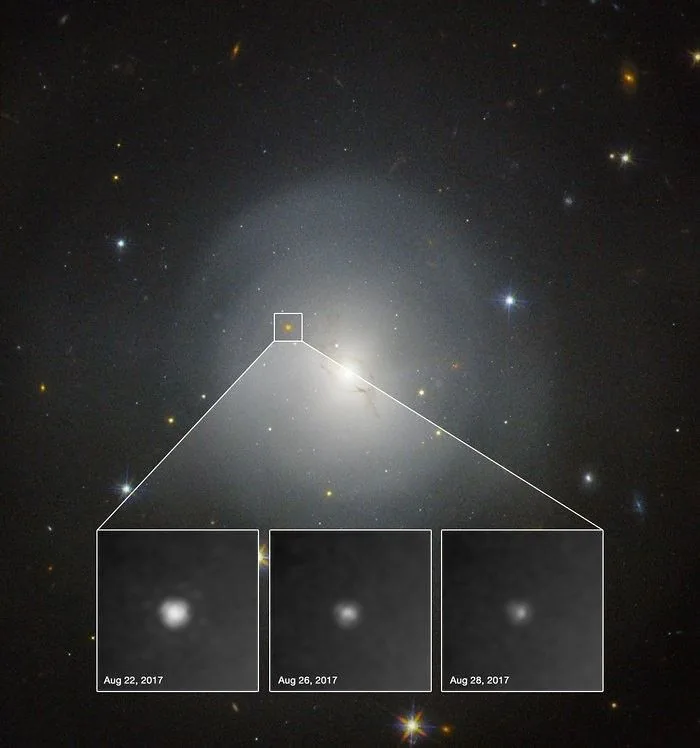
Collisions of Dead Stars and Kilonova Flashes
Neutron stars are the ultra-dense, city-sized remnants left behind by massive dead stars. When these incredibly dense objects collide, they release a brief and intense flash of light known as a kilonova. These cosmic events are responsible for forging much of the universe's gold, platinum, and other heavy elements.
The Race Against Time and Observational Challenges
Because a kilonova fades within a matter of days, astronomers must locate the event almost immediately after it occurs. Since no single observatory can continuously monitor the entire sky, detecting these rapidly fading events poses a significant observational challenge.
Global Collaboration and Scientific Value
Engaging amateur astronomers significantly improves the chances of detecting kilonovae before they disappear. The synergy between professional observatories and amateur networks is essential for understanding how heavy elements are forged across the universe.
Comments
Loading comments...