A Seasonal Cosmic Silhouette in the Autumn Sky
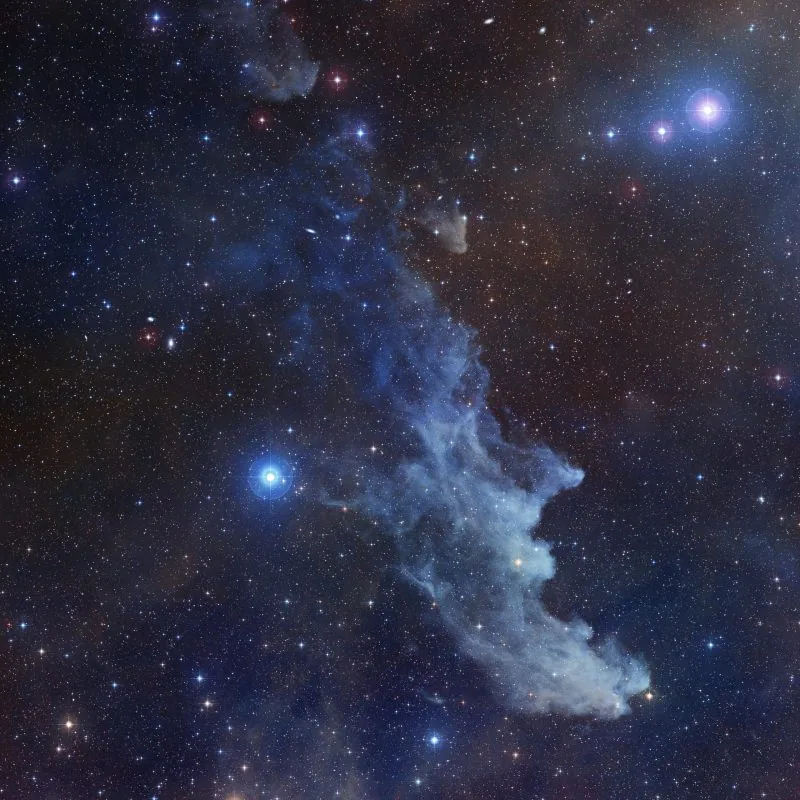
As the iconic winter constellation Orion makes its presence felt on Halloween night, it brings along a deep-sky object exceptionally suited to the season. Known widely as the Witch Head Nebula, this sprawling cosmic cloud rises alongside Rigel, one of Orion's most prominent and brilliant stars. The timing of its appearance provides stargazers with a fittingly eerie celestial display that matches the atmosphere of the holiday.
Rigel's Glow and Observational Challenges
Despite its dramatic appearance in long-exposure imagery, the Witch Head Nebula is remarkably faint and possesses very low surface brightness. Illuminated by the intense light of nearby Rigel, the cloud cannot be glimpsed with the naked eye or ordinary binoculars. Discerning its subtle contours, which resemble the profile of a wicked witch, demands dark sky conditions away from urban light pollution and the light-gathering power of a large-aperture telescope.
A Distinctive Target for Deep-Sky Imaging
While challenging for visual observers, the Witch Head Nebula stands as a prime objective for astrophotographers worldwide. Through extended exposure times and sensitive imaging equipment, astronomers capture the faint blue hues reflected by the nebula's fine interstellar dust grains. Its arrival near Orion marks the beginning of the prime winter observing season, offering observers a classic celestial benchmark in the late-night sky.
Comments
Loading comments...