The Pinnacle of Astrophotography: ZWO Awards Announced
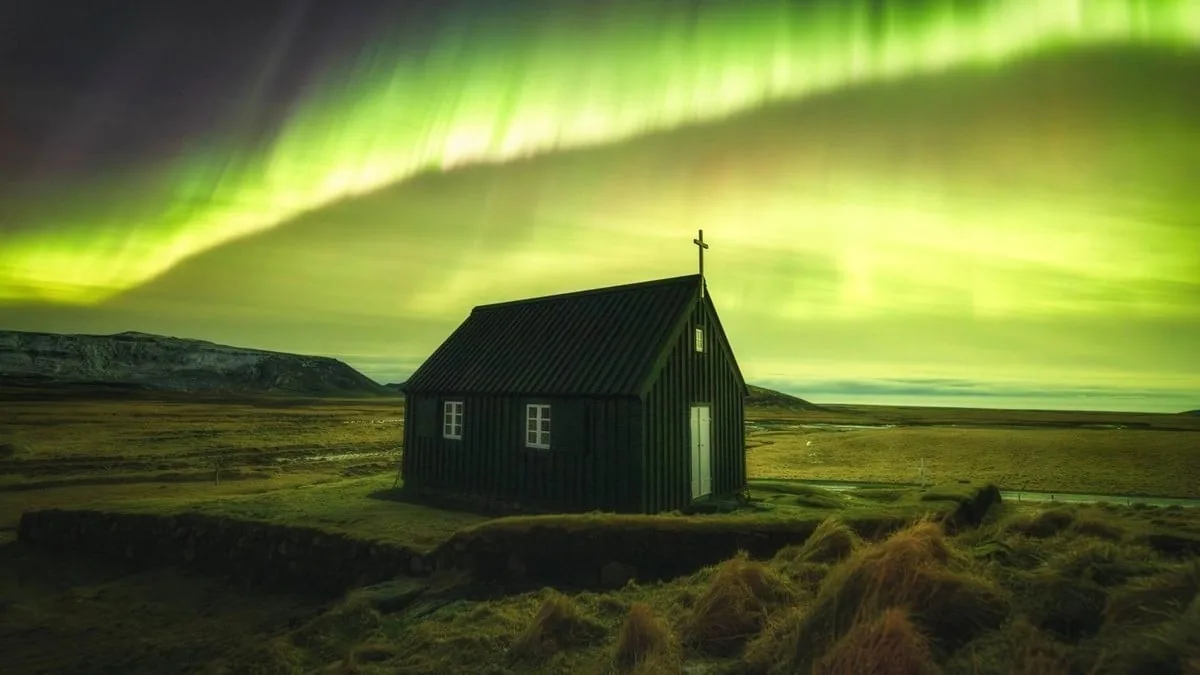
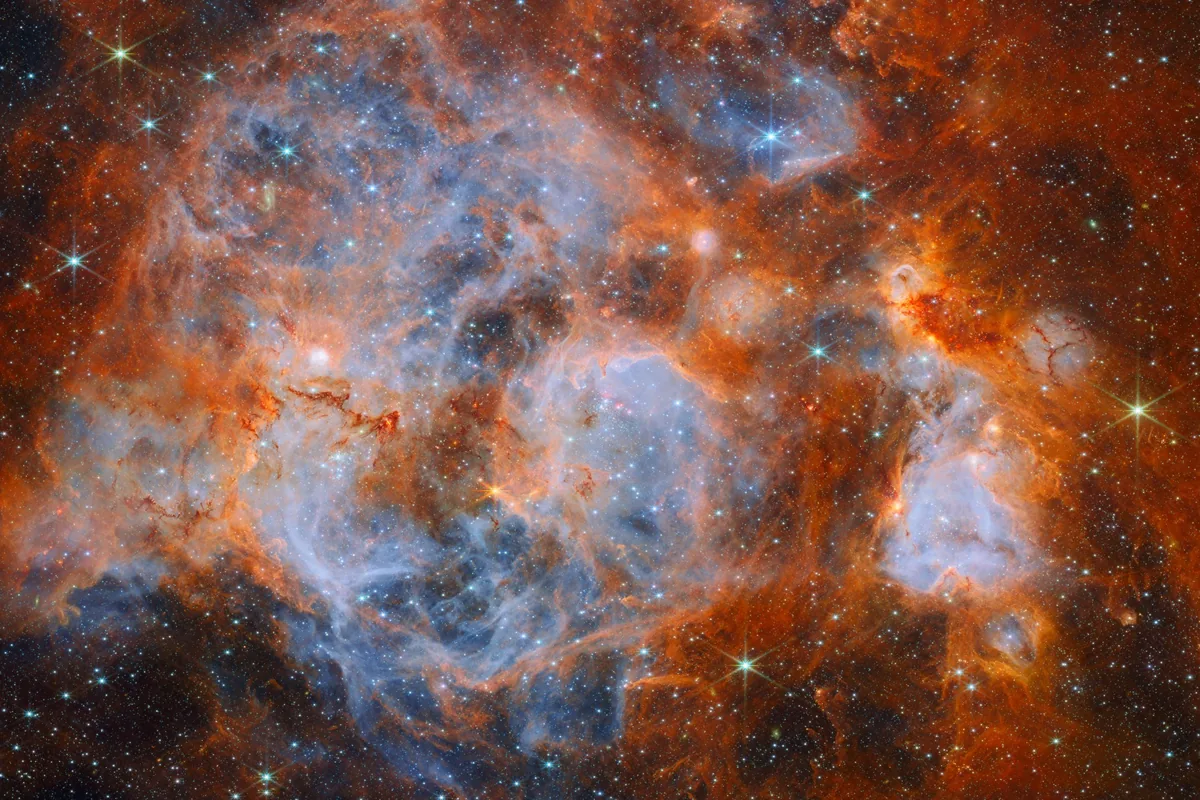
The winners of the prestigious ZWO Astronomy Photographer of the Year competition have been officially revealed, showcasing breathtaking views of the deep sky. Celebrating the intersection of human dedication and modern imaging technology, the contest brought together remarkable submissions from both amateur and professional astrophotographers worldwide. The grand prize-winning frame captured the intricate textures and awe-inspiring aesthetic of our vast cosmos, standing out among hundreds of exceptional entries.
Precision Imaging and Technological Mastery
Astrophotography demands not only advanced hardware but also immense patience, spatial precision, and sophisticated post-processing skills. The honored images were achieved through extensive integration times using dedicated cooled CMOS astronomy cameras, equatorial tracking mounts, and specialized narrowband filters. By isolating specific emission lines such as Hydrogen-alpha, Oxygen-III, and Sulfur-II, these setups unveil faint emission nebulae, distant star-forming nurseries, and faint galactic structures that remain entirely invisible to the naked human eye.
Bridging Artistic Wonders with Scientific Outreach
Competitions of this caliber do far more than present visual spectacles; they emphasize the critical role of citizen science and raise awareness regarding the global threat of light pollution. By documenting pristine celestial targets, these photographers cultivate public engagement with astrophysics and planetary science. As sensor sensitivities and optical designs continue to evolve rapidly, amateur observers will increasingly possess the capability to identify faint transients, undiscovered planetary nebulae, and subtle interstellar structures.

Comments
Loading comments...