Star Formation and Quiescent Galaxies
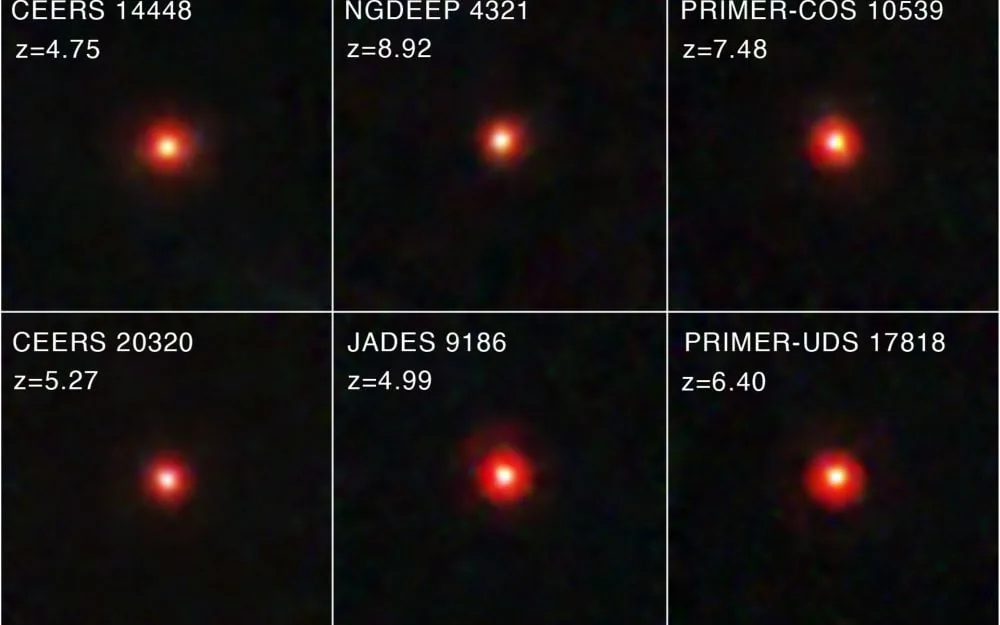
In the local universe, it is common to find galaxies that have completely stopped forming new stars. These so-called quiescent galaxies have lived for billions of years and, over that extensive timeframe, gradually exhausted their internal reservoirs of star-forming gas. In contrast, galaxies located at much greater cosmic distances appear to us as they were in their youth, revealing a much more dynamic evolutionary phase.
Galactic Winds and Gas Expulsion
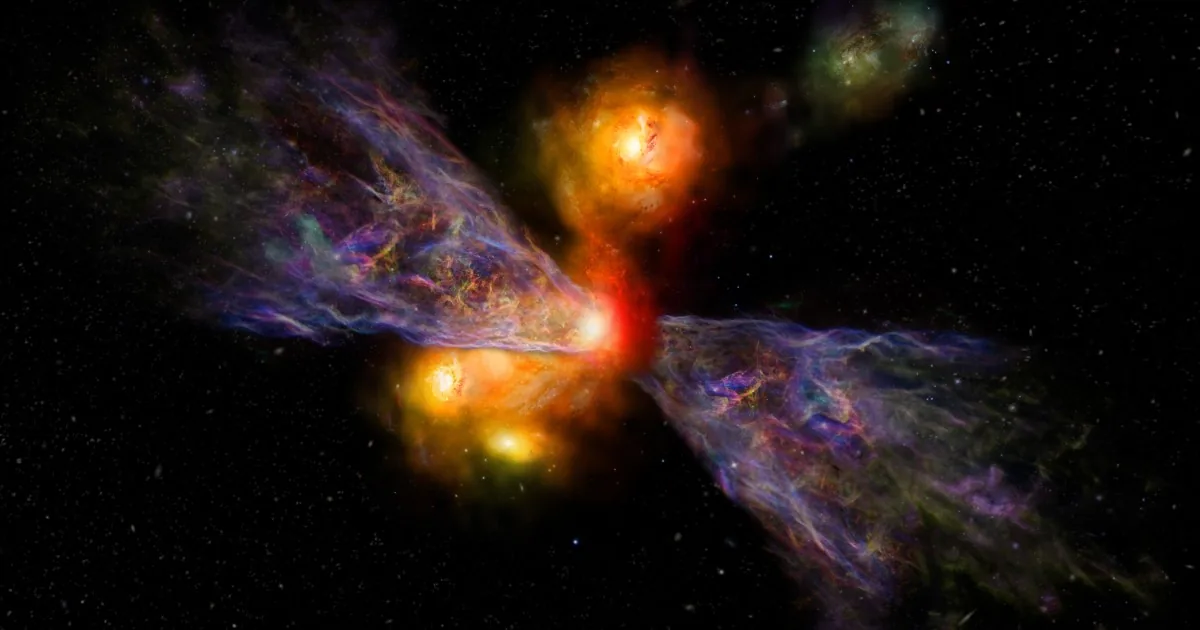
Astronomers have now caught powerful galactic winds in the act of rapidly depleting star-forming material from distant galaxies. These high-velocity outflows, often driven by intense central supermassive black hole activity or concentrated starburst events, push cold gas out of the host galaxy. By stripping away this crucial raw material, the winds effectively quench star formation far more rapidly than passive gas consumption.
Impact on Galaxy Evolution Models
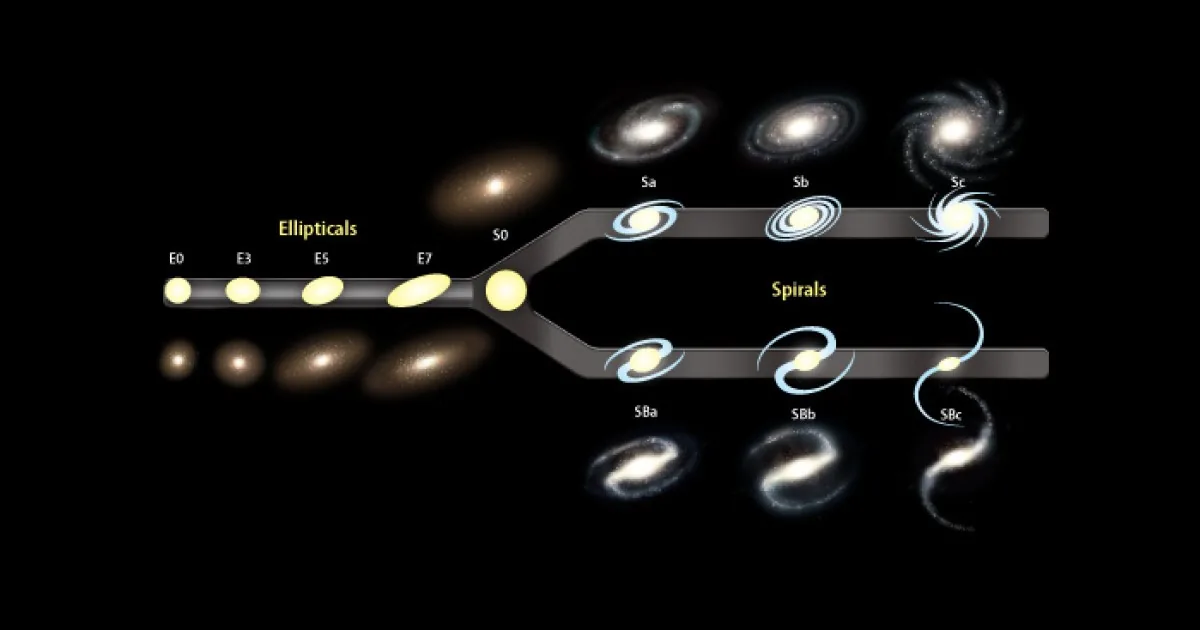
Observing these galaxy-killing winds provides vital empirical evidence for models of cosmic evolution. Understanding how and when galaxies transition from active star-forming systems into quiescent states helps astronomers refine theories of galactic structure. Future observations will focus on measuring the scale and frequency of these gas-expelling winds across different cosmic epochs.
Comments
Loading comments...