The Catastrophic Anomaly and Recovery Effort
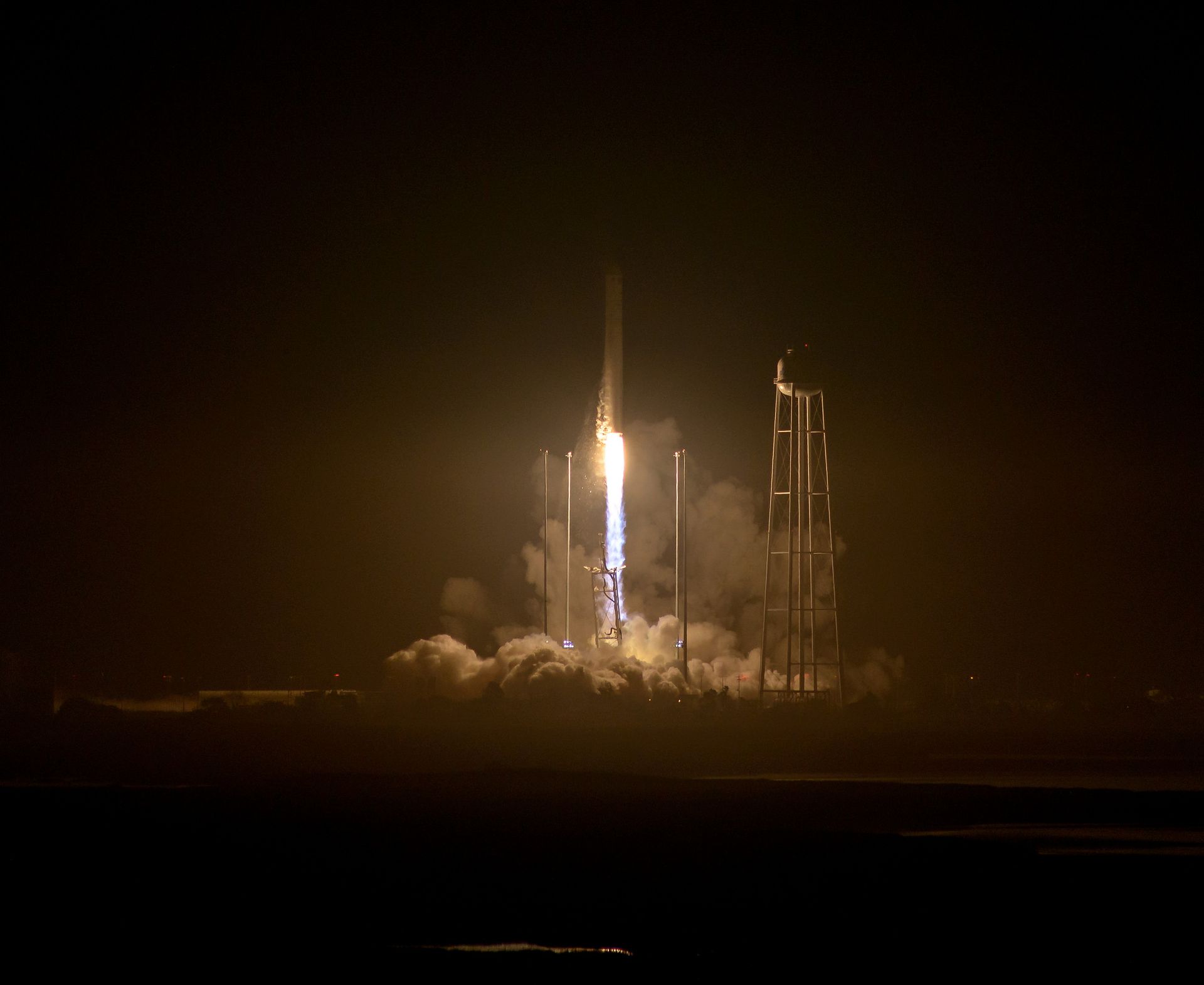
One of the most consequential comebacks in commercial spaceflight history took place on October 17, 2016, when the Antares rocket, now built by Northrop Grumman Space Systems, returned to flight. Two years prior, an Antares launch vehicle had suffered a catastrophic failure just seconds after liftoff, destroying the rocket, damaging launch pad infrastructure, and temporarily interrupting cargo resupply operations destined for the International Space Station (ISS).
Engineering Overhaul and Successful Liftoff
Following the loss of the vehicle, engineers initiated an extensive redesign of the propulsion system, addressing the core turbopump vulnerabilities that led to the earlier explosion. Equipped with upgraded engines and refined telemetry systems, the overhauled rocket lifted off from Wallops Island, Virginia, carrying the Cygnus pressurized cargo module. The vehicle executed its ascent profile cleanly, delivering thousands of pounds of scientific experiments, food, and supplies to low Earth orbit.
Impact on Commercial Spaceflight and Station Operations
The successful return to flight demonstrated the resilience of commercial orbital logistics and reinforced redundancy in NASA's Commercial Resupply Services framework. By proving that private aerospace programs could systematically diagnose catastrophic anomalies, re-engineer mission-critical hardware, and return to operational service safely, the 2016 mission solidified the modern model of public-private partnerships in orbital space exploration.


Comments
Loading comments...