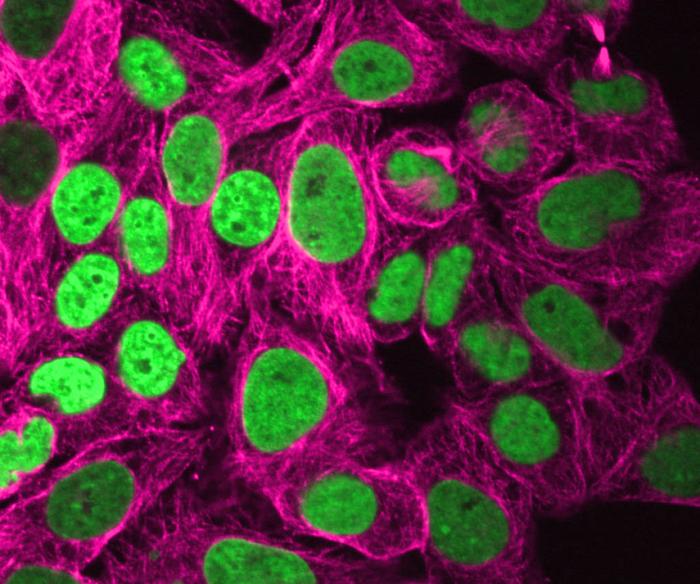
Genome Research in Microgravity
As humanity aims to venture beyond low Earth orbit, the profound effects of space environments on human biological systems have become a paramount area of scientific inquiry. A comprehensive study published in Science Advances addresses pressing questions regarding how long-duration exposure to microgravity influences the human genome. The research focuses on unraveling the complex stressors that weightlessness imposes on genetic material and gene expression.
Cellular Responses and Molecular Observations
Microgravity fundamentally alters human physiology, shifting fluid distribution and impacting musculoskeletal integrity. Scientists investigated the biological footprints left on the genome when subjected to prolonged microgravity conditions. The analysis closely examines how genetic mechanisms respond to this unique environment and evaluates the molecular adaptations that occur under sustained weightlessness.
Implications for Future Deep Space Exploration
These findings underline that comprehending genomic responses is crucial for safeguarding astronaut health during multi-month or multi-year missions. Mapping the human genome's reactions to microgravity provides an indispensable baseline for formulating targeted protective measures and medical countermeasures for the next generation of space travelers.



Comments
Loading comments...