Celestial Rendezvous and Background
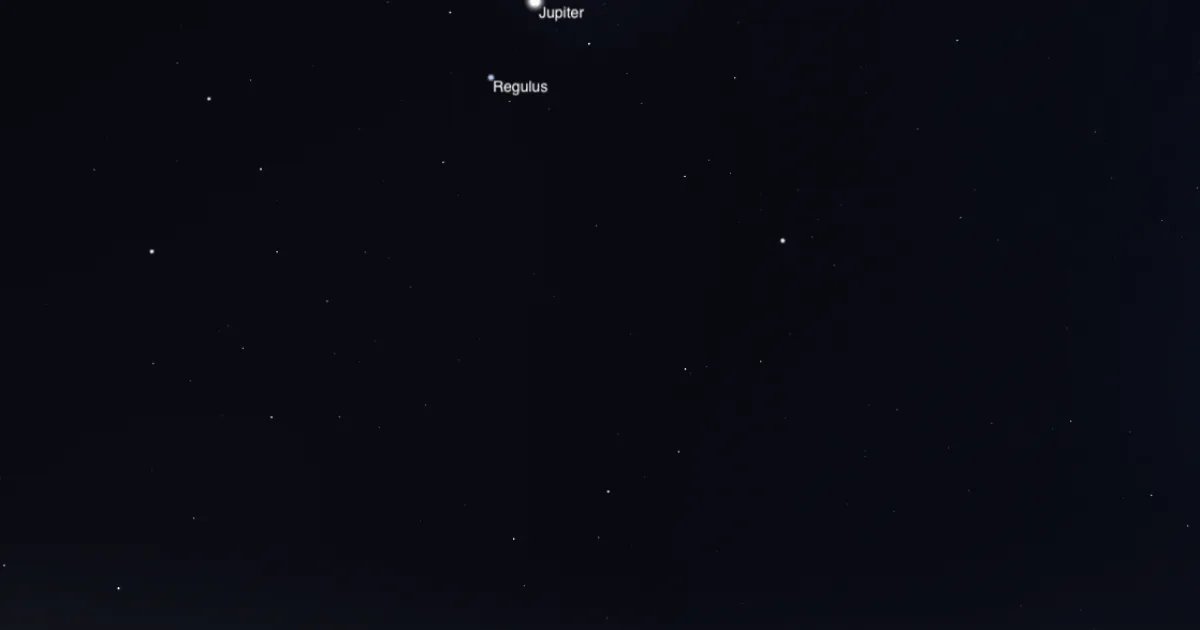
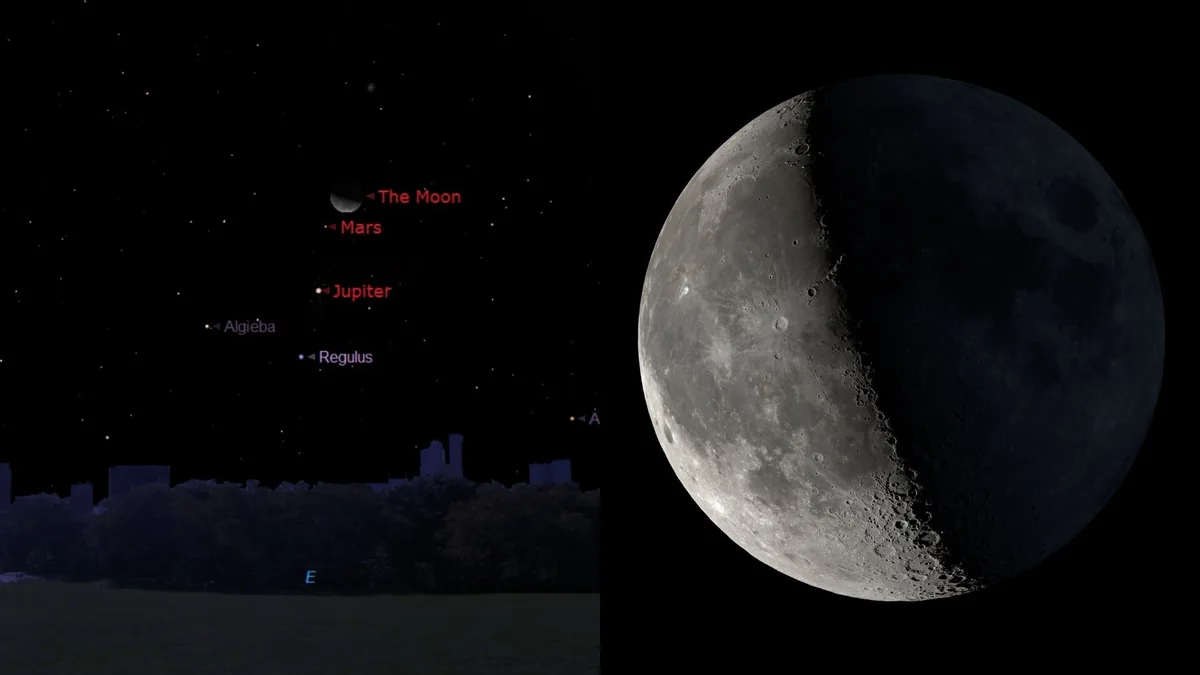
An exciting and visually rich astronomical event is unfolding for skywatchers in early November. Positioned within the constellation Cancer, the Moon makes close passes by two major planets of our Solar System, Mars and Jupiter, offering a captivating alignment for observers on Earth. This event presents a unique opportunity for both amateur and professional astronomers.
Highlighted in weekly astronomy guides, this celestial movement is shaped by the Moon traveling very close to these planets as seen from Earth. Astronomers emphasize that such conjunctions are fascinating for tracking planetary motion and understanding sky mechanics.
Observation Details and Angular Measurements
During the celestial events on November 1, the Moon first glides just 1.1 degrees south of Mars at 9 A.M. EST. Shortly after this close encounter with the Red Planet, the Moon passes 0.5 degrees south of the giant planet Jupiter at 6 P.M. EST. Such small angular distances mean that both planets appear nearly aligned with the Moon.
In certain parts of the world, lucky observers will experience an occultation, where Mars or Jupiter temporarily disappears behind the lunar disk. This spectacular view can be easily appreciated using binoculars or small backyard telescopes.
Scientific Meaning and Future Skywatching Plans
Lunar and planetary conjunctions are wonderful phenomena that allow space enthusiasts to experience orbital mechanics directly. These close approaches provide practical opportunities to verify planetary trajectories with the naked eye or basic observing gear.
Astronomers and skywatching communities will continue to follow this week's celestial calendar to record similar close encounters. Observers in favorable weather conditions will capture valuable imagery documenting the relative positions of these worlds.
Comments
Loading comments...