Reinforcing the Power Infrastructure on the ISS
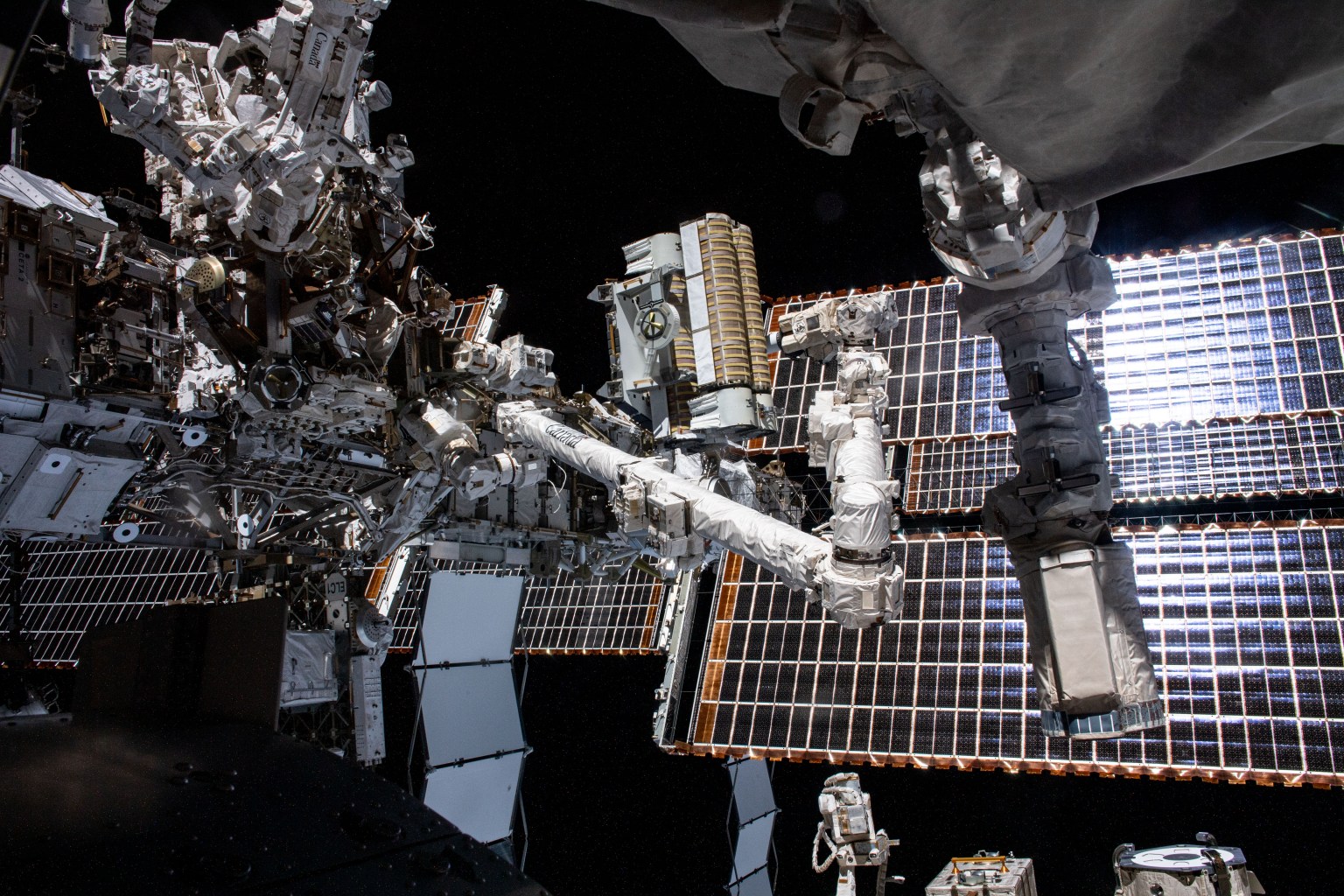
Operating continuously roughly 250 miles above Earth, the International Space Station relies on the Sun as its primary and most vital source of energy. Maintaining the station's complex environmental control and life support systems, supporting crew routines, and powering hundreds of cutting-edge research investigations require an uninterrupted flow of electricity. Over the past five years, NASA has undertaken a systematic augmentation of the orbital outpost's electrical infrastructure to meet escalating operational and scientific demands.
Roll Out Solar Arrays and Orbital Efficiency
The upgrade relies on advanced Roll Out Solar Arrays designed to maximize energy conversion efficiency in the harsh environment of low Earth orbit. Deployed alongside and over existing solar wings, these compact and flexible arrays substantially augment the total power generated across the station's electrical channels. This engineering enhancement provides the electrical headroom required to run advanced scientific racks, active cooling loops, and high-demand experimental payloads simultaneously without straining legacy architecture.
Implications for Earth Science and Deep Space Exploration
Bolstering the station's power generation capacity preserves the operational baseline for experiments that directly benefit terrestrial technology, medicine, and materials science. Furthermore, qualifying and operating these innovative solar array systems in microgravity provides invaluable operational telemetry for future deep space exploration architectures, including long-duration habitats planned for lunar and interplanetary destinations. The continuous upgrade of the orbital laboratory ensures it remains a premier platform for pioneering research for years to come.


Comments
Loading comments...