Circling the Celestial Pole with Cassiopeia
The weekly skywatching guide highlights compelling targets for northern hemisphere observers this season. Shortly after sunset, the distinctive W-shaped constellation of Cassiopeia stands prominent in the northern sky as it wheels around the North Celestial Pole, which is anchored by the North Star, Polaris. By approximately 8 P.M. local daylight time, as true darkness settles across the sky, this constellation ascends to an optimal vantage point for scanning nearby stellar fields and deep-sky objects.
Open Cluster Collinder 463 and the Moon-Uranus Alignment
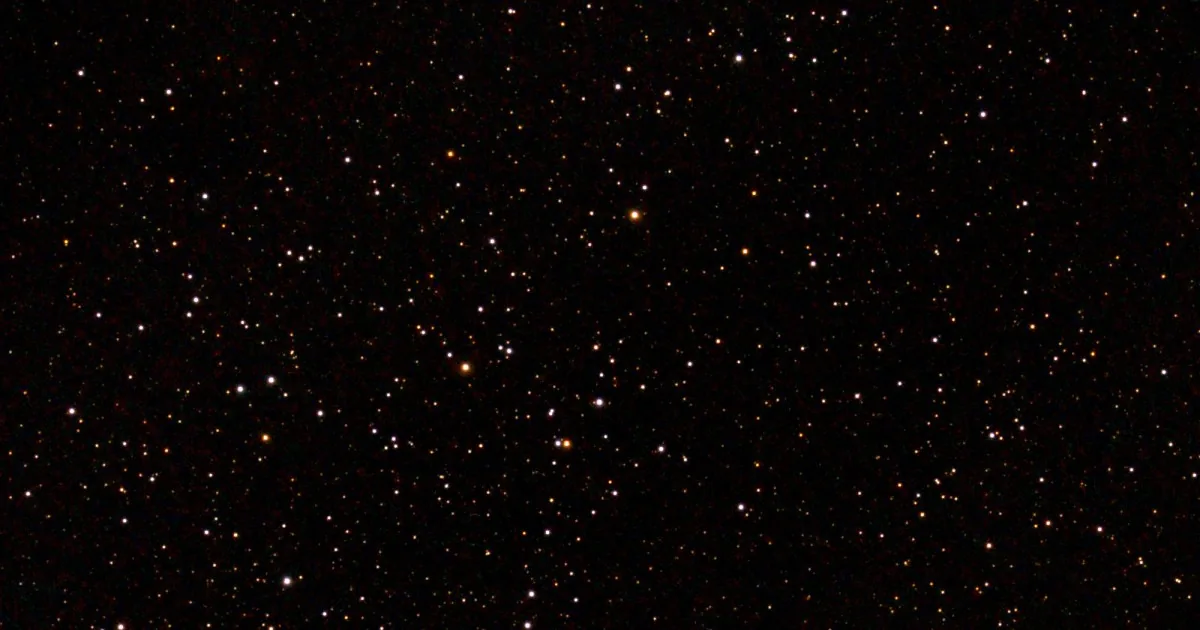
Among the focal points for skywatchers is the open star cluster Collinder 463, situated within this rich circumpolar territory. Open star clusters are gravitationally bound groupings of stars that share a common origin, serving as vital laboratories for understanding stellar lifecycles within our galaxy. In addition to this cluster, the observing schedule notes an intriguing planetary event on October 28, when the Moon hangs closely alongside the ice giant Uranus, offering an engaging pairing for telescope and binocular users.
Observational Context and Scientific Significance
Following objects that rotate around the North Celestial Pole provides essential context for amateur astronomers mapping the night sky and tracking subtle deep-sky targets. Examining open cluster Collinder 463 in the vicinity of Cassiopeia allows observers to explore the rich disc structure of the Milky Way. These seasonal viewing windows help both amateur and experienced skygazers trace stellar distributions and understand how star groupings appear against the broader cosmic background throughout the year.
Comments
Loading comments...