Returning to Mars After Two Decades
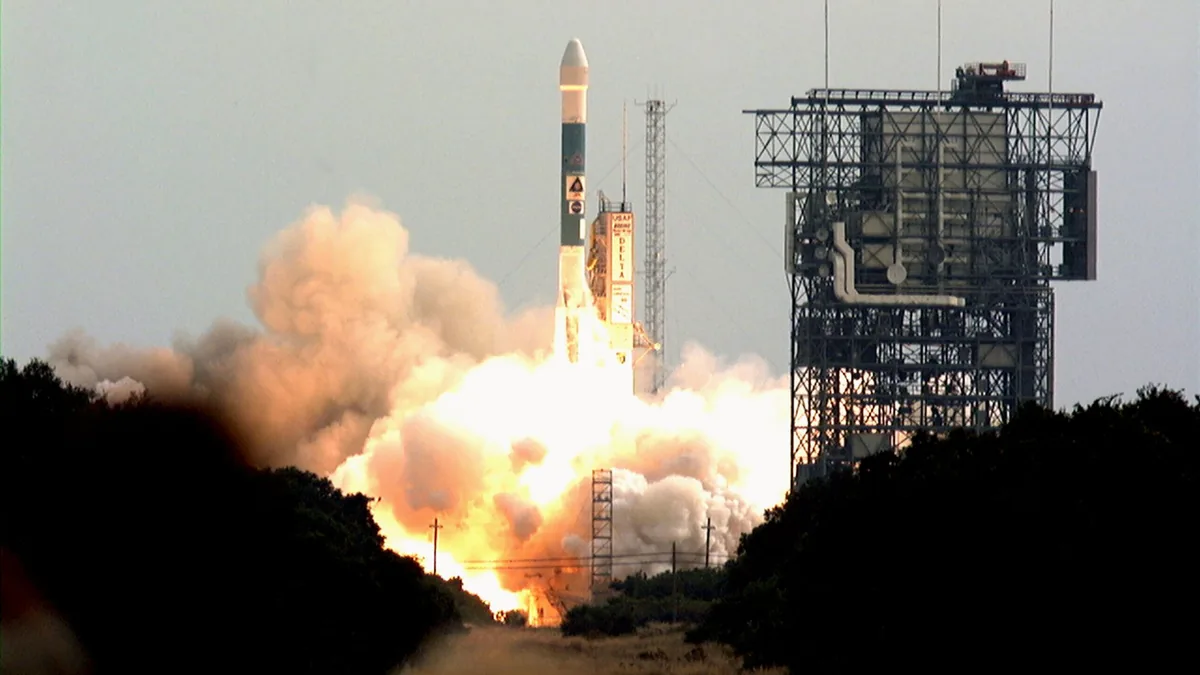
On November 7, 1996, NASA launched Mars Global Surveyor (MGS), marking a milestone return to the Red Planet after a twenty-year hiatus following the Viking era. The mission was conceived to perform a systematic, global survey of Mars, gathering critical observations of its topography, mineralogy, atmosphere, and remnant magnetic fields from orbital vantage points.
Advanced Orbital Mapping and Instrumentation
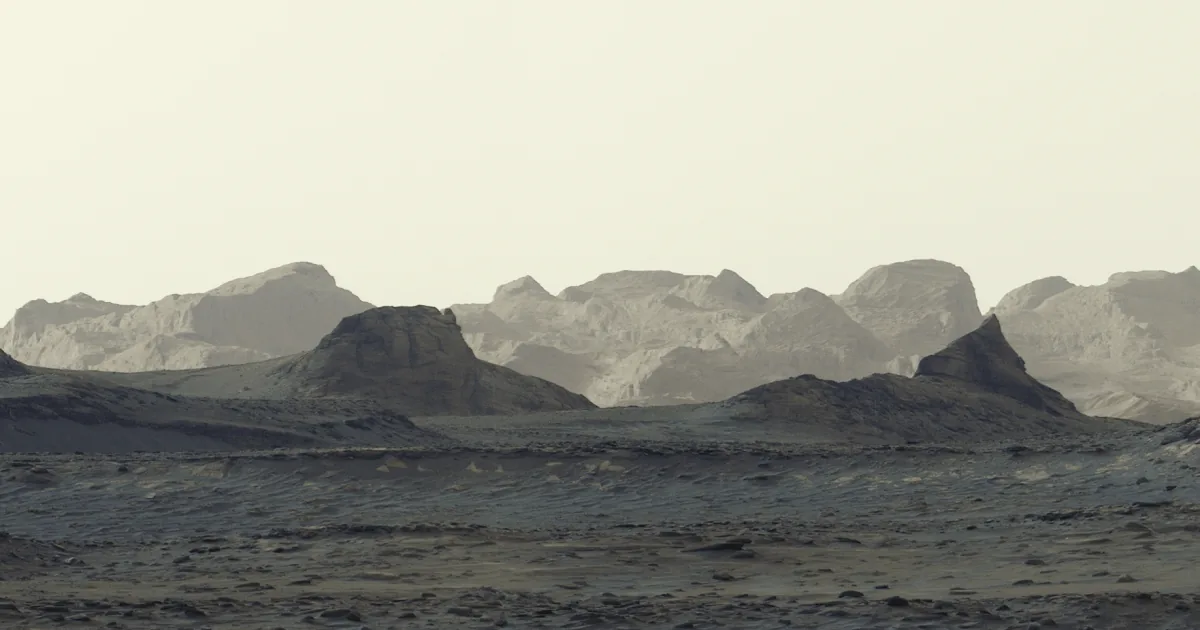
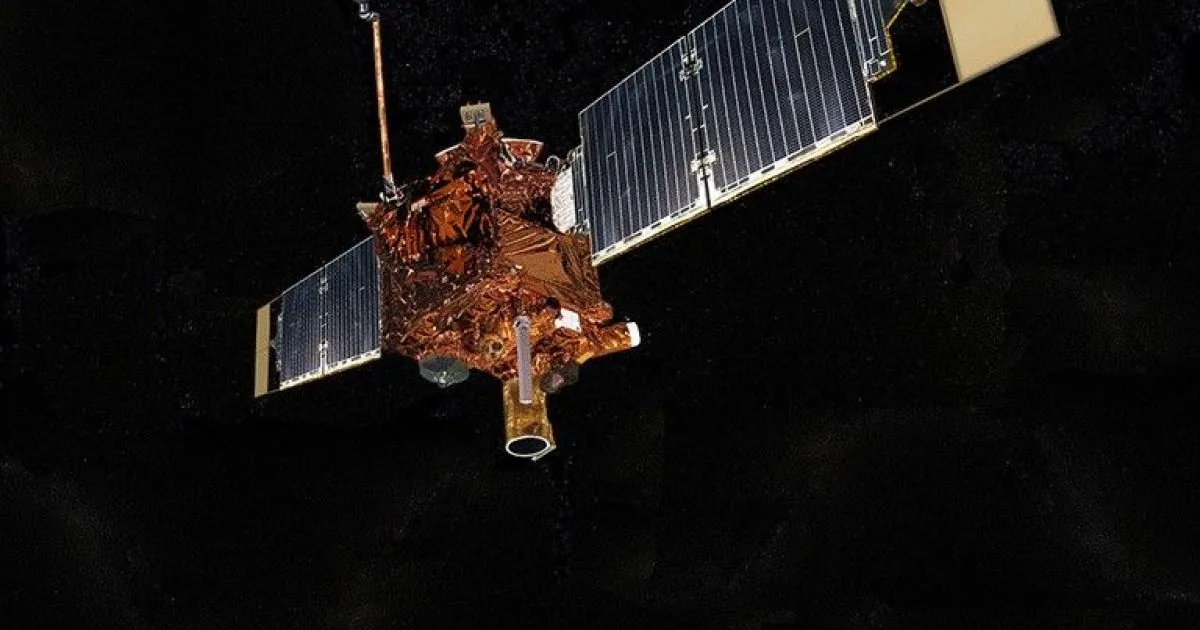
After inserting into Martian orbit, MGS pioneered aerobraking techniques to settle into a sun-synchronous mapping path. Utilizing its Mars Orbiter Camera (MOC), laser altimeter, and thermal emission spectrometer, the spacecraft generated high-resolution topographic models and surveyed ancient riverbeds, sedimentary rock layers, and dynamic polar cap variations, fundamentally changing perspectives on Martian hydrology.
Enduring Impact on Modern Exploration
The comprehensive datasets compiled by Mars Global Surveyor became the cornerstone for all subsequent surface and orbital missions. Its high-precision imaging paved the way for identifying safe landing sites for rovers such as Spirit, Opportunity, and Curiosity. By demonstrating that Mars once hosted dynamic and active geological processes, MGS redefined our understanding of planetary habitability.

Comments
Loading comments...