Historic Flight and Reusability Vision
SpaceX has achieved a historic milestone in its decade-long pursuit of fully reusable rocket technology. The company's massive Starship spacecraft completed its 15th and most critical test flight, reaching a major operational goal. Completing 14 orbits around the Earth during a 22-hour orbital journey, the vehicle successfully returned to our planet on Saturday. This flight test represents a vital step for the broader space program, which, through cooperation between NASA and SpaceX, aims to land humans back on the Moon in 2028 after a half-century hiatus.
Upon completing its orbital task, the vehicle navigated toward the SpaceX Starbase launch site in Texas. The technical achievement, derived from nearly 10 years of intensive engineering efforts, directly serves the ambition of reusing rocket hardware rapidly after launch.
Launch Tower Mid-Air Capture Architecture
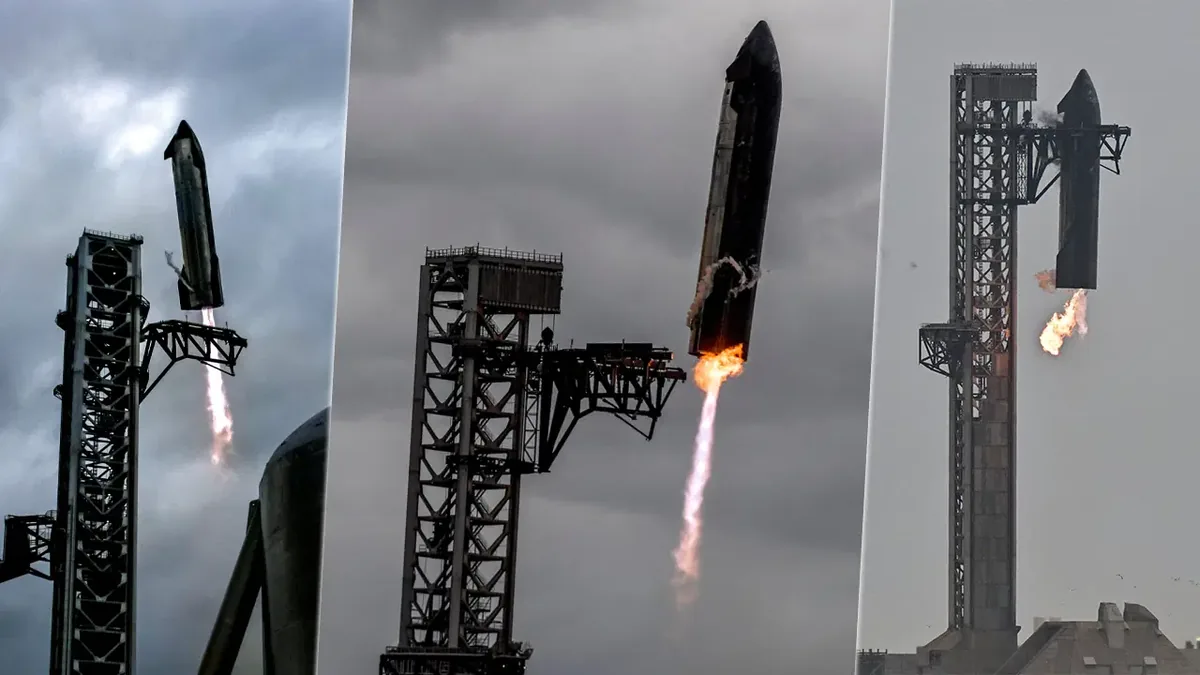
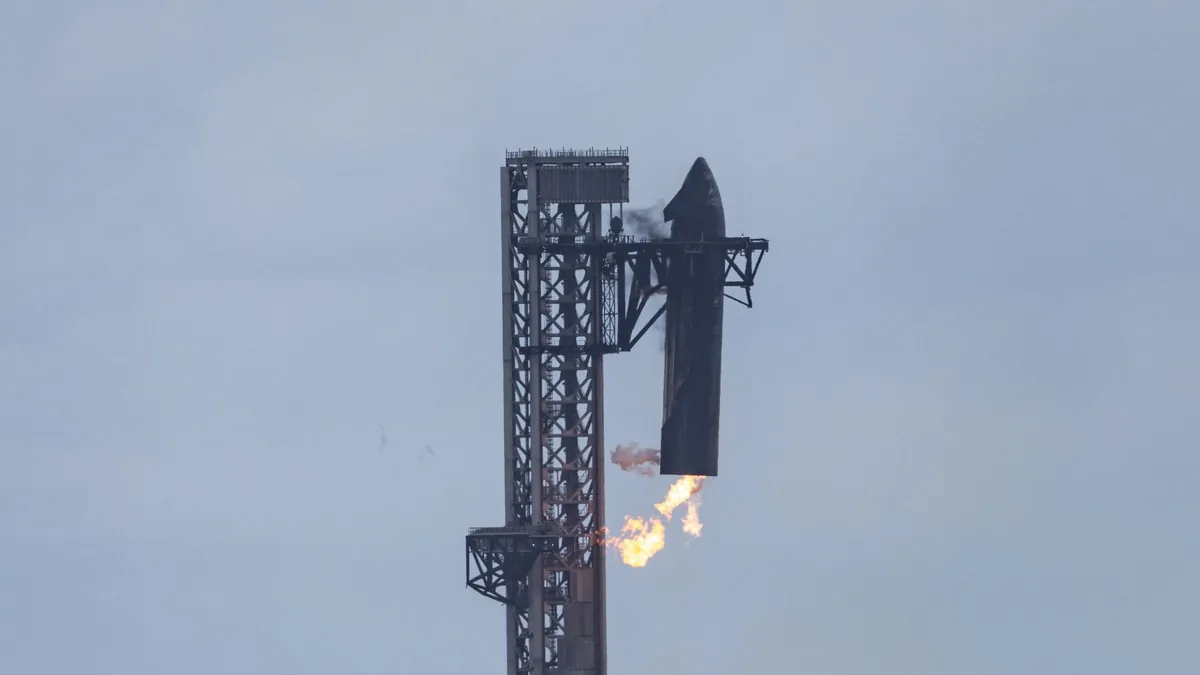
The 52-meter-long Starship rocket emerged through dense clouds over the Starbase launch facility in Texas to begin its descent. Reigniting its engines during the landing maneuver, the vehicle adjusted to a vertical position to decelerate slowly. Returning to the exact location from which it was launched yesterday, the rocket was caught mid-air with precise timing by giant mechanical arms mounted on the launch tower.
This first successful capture of the rocket by the launch tower's mechanical arms eliminates the need for heavy onboard landing gear, thereby reducing overall vehicle mass and drastically shortening turnaround times between launches. The engine reignition and vertical positioning accuracy were highlighted as the most significant achievements of the flight.
Role in Future Lunar Missions and Space Transport
This successful test provides key technical validation ahead of the planned 2028 lunar landing mission, which aims to return humans to the Moon for the first time in over fifty years. Executed in partnership with NASA, this ambitious effort seeks to fundamentally lower the cost of space exploration.
Through this fully reusable platform, engineers plan to minimize refurbishing timelines and increase the frequency of space missions. Data collected from the tower capture in Texas will continue to inform the structural design and flight procedures for upcoming test flights and future lunar missions.


Comments
Loading comments...