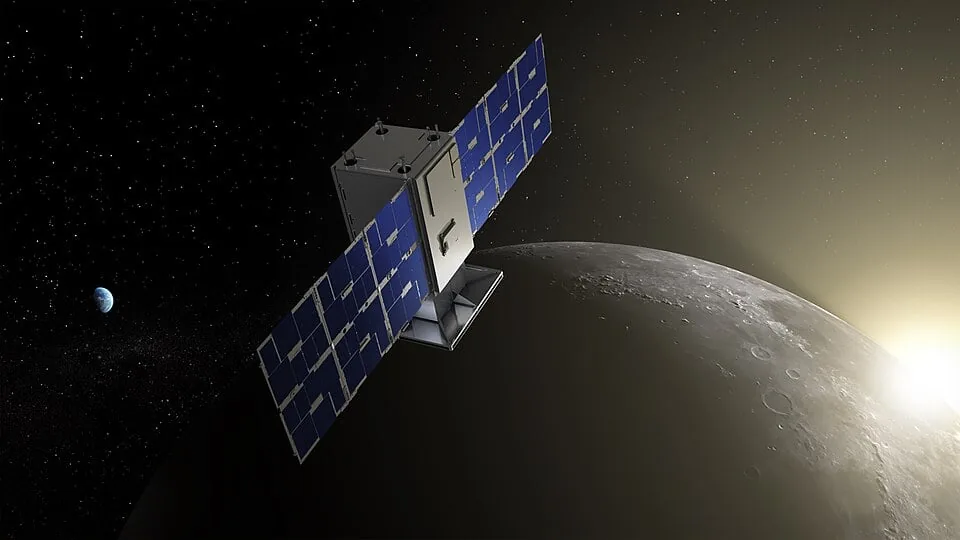
Overcrowding in Deep Space Tracking Networks
As humanity launches an increasing number of satellites into deep space, ground tracking capabilities are rapidly approaching saturation. NASA's Deep Space Network (DSN), which has served as the primary workhorse for deep space tracking for decades, is overwhelmed by requests, complicating operations for recently launched missions.
Cost-Free Navigation Using Solar Array Data
In a pre-print paper available on arXiv, researchers Ian Down, James McElreath, and Manoranjan Majji from Advanced Space, Space Exploration Engineering, and Texas A&M proposed an innovative solution. Their method uses solar array power data gathered during spacecraft eclipses to pinpoint coordinates without requiring extra hardware.
Lunar Orbit Applications and Scientific Value
By interpreting shadow transitions and power meter fluctuations experienced during an eclipse, the spacecraft can determine its location with high accuracy. This technique reduces reliance on ground-based radio networks, providing a practical navigation alternative for future lunar missions.

Comments
Loading comments...