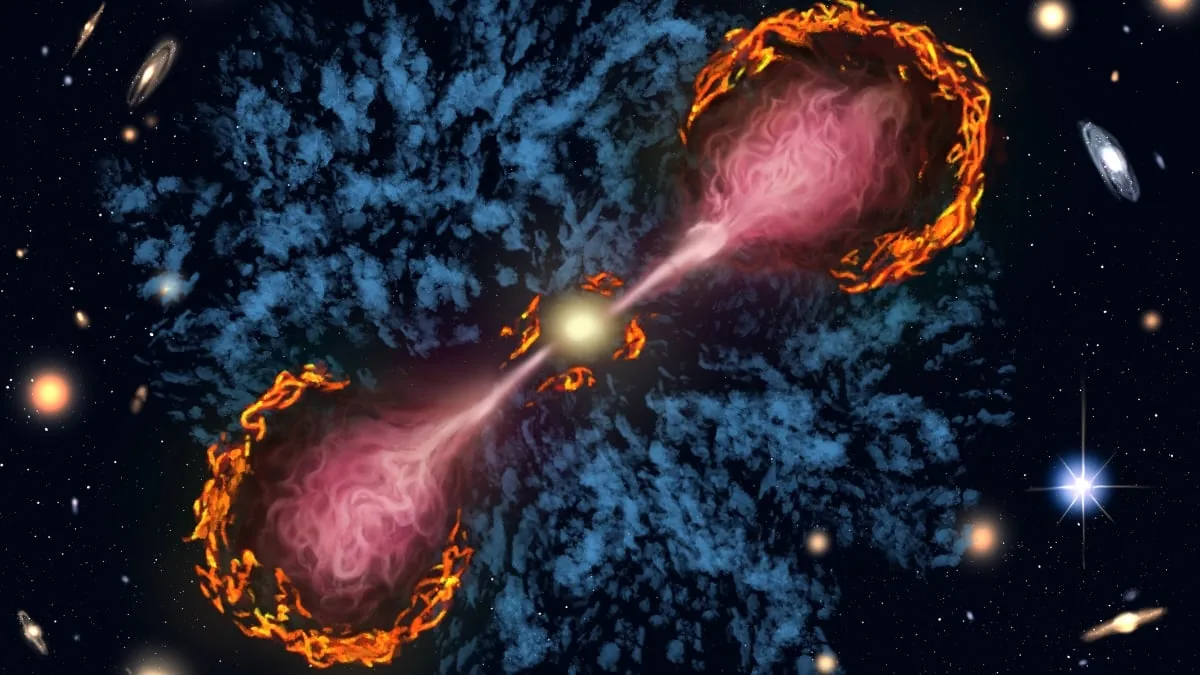
Interaction Between Black Holes and Galaxies
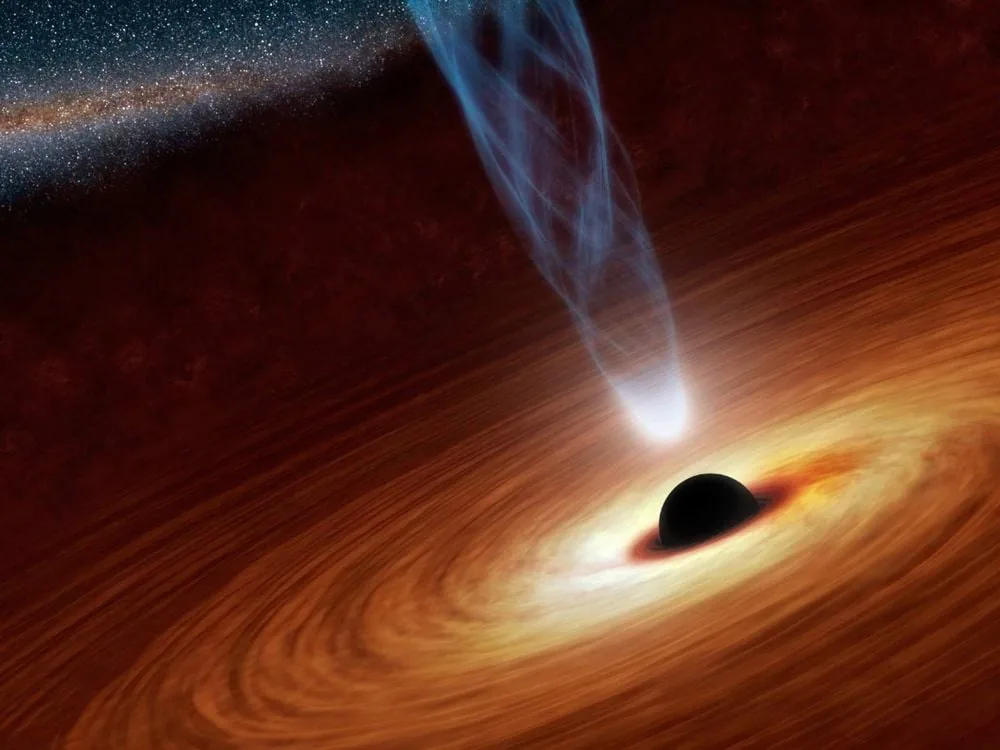
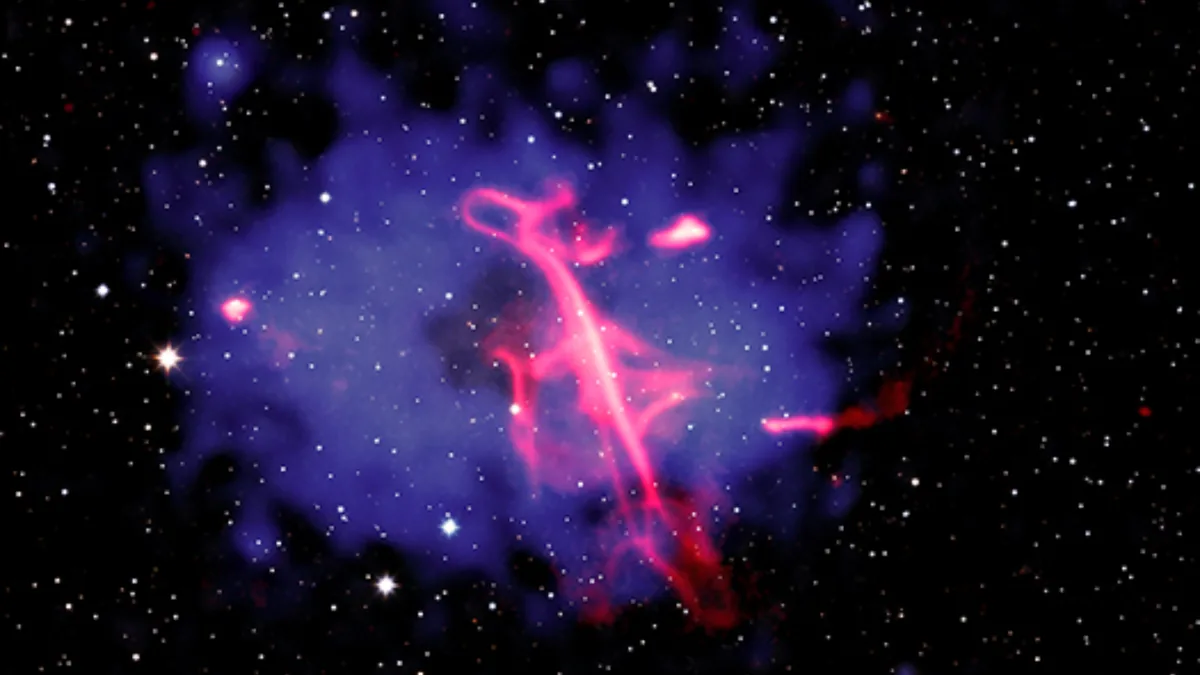
Supermassive black holes residing at the centers of massive galaxies are among the most powerful structures in the universe. These colossal celestial objects generate tremendous jets and particle emissions that extend far beyond the boundaries of their host galaxies. A new study demonstrates that these central black holes do not merely affect their immediate surroundings, but also directly stir up and influence the material surrounding the outer edges of a galaxy.
Gas Temperature and Dynamics
Observations and analyses conducted by astronomers reveal that these powerful jets actively warm the gas layer surrounding the galaxy. The high-energy jets launched from the black hole interact with the matter at the galactic periphery, causing a rise in temperature across these outer regions. Detailed measurements indicate that this black hole-driven activity fundamentally alters gas dynamics and thermodynamics on a galactic scale.
Impact on Star Formation and Scientific Significance
This finding holds significant importance for understanding galactic evolution and the processes governing star birth. The formation of new stars requires cool, dense gas clouds to collapse under gravity. However, by heating the gas at the outer edges of a galaxy, supermassive black holes prevent the gas from cooling, thereby reducing the rate of star production over time. This discovery provides a vital mechanism for models explaining how galaxies age and why their star formation slows down.
Comments
Loading comments...