Orbital Mechanics in Interstellar Space
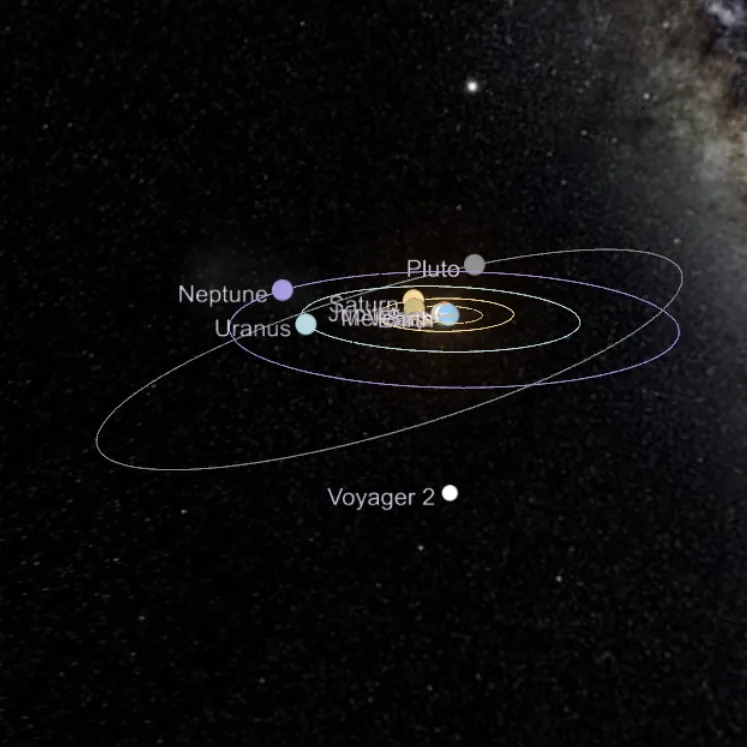
Traveling far beyond the primary boundaries of the Solar System, the Voyager spacecraft represent humanity's most distant robotic ambassadors. Because Earth continuously moves along its orbit around the Sun, the distance between our planet and these distant probes does not simply increase at a completely constant rate. As Earth navigates its yearly orbital path, it spends several months moving in a direction that brings it closer to the trajectory of the Voyager probes, resulting in periodic decreases in relative distance each year.
The One Light-Day Threshold and Relative Motion
Voyager 1 has reached such a tremendous distance from Earth that its separation is measured in light-days, representing the distance that light travels across twenty-four hours. This milestone highlights the vast scale of interstellar space exploration. While Earth's annual orbital motion causes the probe to appear closer for a few months at a time, Voyager 1 itself maintains a relentless outward velocity away from the Sun. Determining whether this cyclical approach is enough to bring Voyager 1 back under the one light-day mark depends directly on the balance between Earth's orbital speed and the spacecraft's outward momentum.
Deep Space Tracking and Long-Term Implications
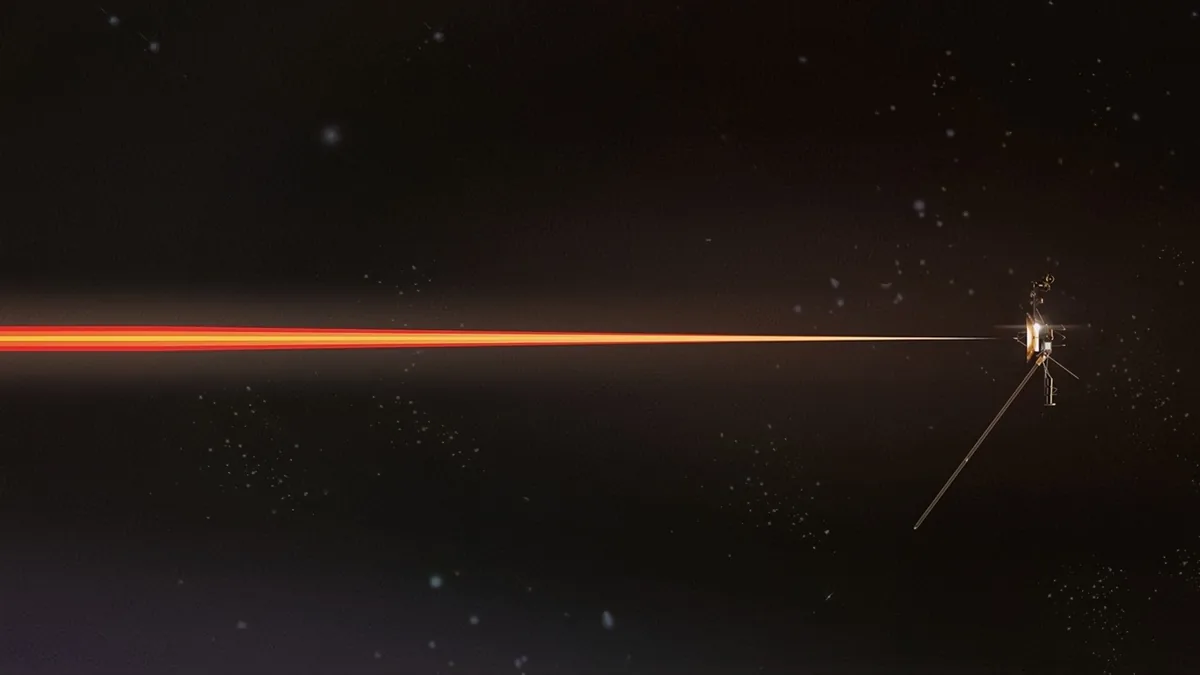
The vast distance between Earth and interstellar probes dictates the time required for radio signals to travel back and forth. As this distance expands, communications require hours or even days to traverse the void. Although Earth's orbital cycle periodically narrows the spatial gap, the continuous outward progress of Voyager 1 tests whether the spacecraft will ever again cross within a single light-day of humanity. Monitoring these changes helps scientists refine orbital models and track the farthest active instruments ever dispatched into the cosmos.

Comments
Loading comments...